

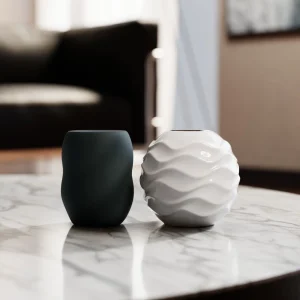
In the contemporary memorial landscape, the way people choose cremation urns has changed in meaningful ways. What was once seen mainly as a functional object is now increasingly understood as a form of presence, one that carries emotional weight, visual dignity, and symbolic value. Families and memorial professionals are often looking for objects that do more than serve a purpose. They want urns that can express care, restraint, and continuity in a way that feels sincere and lasting.
This is one of the reasons ceramic continues to hold such a respected place in memorial design. The material has an unusual ability to feel both solid and gentle, refined and familiar. Its surfaces, tones, and forms can communicate warmth without excess, making it especially suited to objects intended to accompany memory. Collections of ceramic urns reflect this enduring appeal by showing how material quality and thoughtful design can shape a more intimate language of tribute.
The timeless character of ceramic gives cremation urns a more human presence because it softens the boundary between object and emotion. A ceramic urn does not usually feel cold or purely technical. It feels shaped, considered, and connected to the hand as much as to the eye. That tactile and visual depth allows it to support remembrance in a way that appears quieter, more balanced, and more deeply personal.
Why ceramic continues to matter in memorial design
Ceramic has been part of human culture for centuries. It belongs to daily life, ritual, art, and architecture. That long history gives it a sense of familiarity that many other materials do not possess in the same way. When used for cremation urns, ceramic carries some of that inherited meaning into the memorial space. It feels rooted, enduring, and recognizably human.
Part of its strength lies in the way it comes into being. Clay begins as a raw natural material, shaped with intention and transformed through fire into something durable and stable. That process alone gives ceramic a symbolic depth that resonates strongly in memorial contexts. It suggests transformation, permanence, and care. These qualities are especially meaningful when the object is meant to hold memory with dignity.
Ceramic also resists the feeling of standardization. Even when produced within a collection, ceramic urns often retain a sense of individuality because of their finish, texture, and subtle variation. This makes them feel less mechanical and more present. In a memorial setting, that difference matters. Families often respond more deeply to objects that feel made rather than merely manufactured.
A more human material for a deeply personal purpose
To say that ceramic gives cremation urns a more human presence is to recognize how strongly material affects emotion. Human presence in design does not come from decoration alone. It comes from proportion, touch, atmosphere, and the impression that an object has been shaped with sensitivity. Ceramic is especially effective in this regard because it brings softness and substance together.
Unlike some materials that can feel distant, glossy, or overly industrial, ceramic tends to create a closer emotional relationship. It absorbs light in subtle ways, carries surface depth, and allows for finishes that appear calm rather than harsh. Whether matte, lightly textured, or softly glazed, ceramic often communicates stillness. That quality makes it especially appropriate for remembrance.
There is also an important tactile dimension. Even when not physically touched, ceramic suggests tactility. Its surface invites a different kind of perception. It seems warmer, quieter, and more grounded than many synthetic or metallic alternatives. In memorial objects, this sensory impression can influence how the urn is received. It contributes to the sense that the urn belongs not only to a ritual, but to a human story.
The relationship between ceramic and visual balance
One of the reasons ceramic works so well in cremation urn design is that it supports visual balance with unusual grace. The material lends itself to rounded contours, clean silhouettes, and harmonious proportions. It can be shaped into forms that appear gentle and stable at the same time, which is especially important in memorial design.
A cremation urn must carry symbolic significance without overwhelming the space around it. Ceramic helps make that possible. It can hold presence without heaviness. It can appear elegant without becoming severe. The balance between volume, surface, and finish often feels more natural in ceramic than in materials that rely on visual hardness or excessive polish.
This sense of balance contributes directly to the more human presence that ceramic urns often convey. A well-proportioned ceramic urn appears composed. It does not ask for attention through ornament or visual intensity. Instead, it rests in the space with quiet authority. That restrained presence is often what makes it feel so emotionally appropriate.
Ceramic urns in contemporary memorial culture
Contemporary memorial culture has become more attentive to the emotional role of objects. Families increasingly seek cremation urns that feel aligned with modern interiors, personal values, and a quieter understanding of tribute. In this context, ceramic has found renewed importance because it can speak both to tradition and to contemporary design.
Ceramic urns are highly adaptable in style. They can appear minimal, sculptural, organic, or classically refined depending on the design approach. This flexibility allows them to respond to different preferences without losing their material integrity. Whether the intention is to create an urn that feels modern and understated or one that carries a more artisanal character, ceramic provides a strong foundation.
Its contemporary relevance also comes from the fact that it does not depend on trend alone. Ceramic has timelessness built into it. That is an important quality in memorial objects, which should not feel temporary or tied too closely to a passing aesthetic language. The enduring nature of ceramic allows the urn to remain meaningful across time, even as tastes evolve.
Material quality and emotional perception
The quality of a memorial object is never judged only by technical performance. It is also judged by how it feels emotionally. This is why material matters so deeply in cremation urns. Ceramic supports a higher level of emotional perception because it communicates intention. It suggests that the object was not chosen casually, but carefully.
A ceramic urn can express refinement without becoming distant. It can feel dignified without appearing rigid. These qualities shape the emotional response of those who encounter it. In moments of remembrance, such details are not secondary. They influence whether the urn feels comforting, appropriate, and in harmony with the memory it holds.
Material quality is also connected to durability and long-term presence. A well-crafted ceramic urn is capable of retaining its visual strength over time. This matters not only practically, but symbolically. An urn intended to remain part of a space of remembrance should feel capable of staying with grace. Ceramic often fulfills that role in a particularly convincing way.
Where memory meets form
The timeless character of ceramic gives cremation urns a more human presence because it brings together permanence, sensitivity, and material depth in a uniquely balanced way. Ceramic does not reduce remembrance to function. It supports it through form, surface, and atmosphere. It allows the urn to exist not only as a container for ashes, but as an object that can quietly accompany memory.
In a memorial world that increasingly values restraint, authenticity, and thoughtful design, ceramic remains one of the most meaningful materials available. Its familiarity, tactile richness, and enduring visual calm make it especially suited to cremation urns intended to honor life with dignity. When memory meets form through ceramic, the result is often something more than beautiful. It becomes humane, measured, and gently enduring.
