

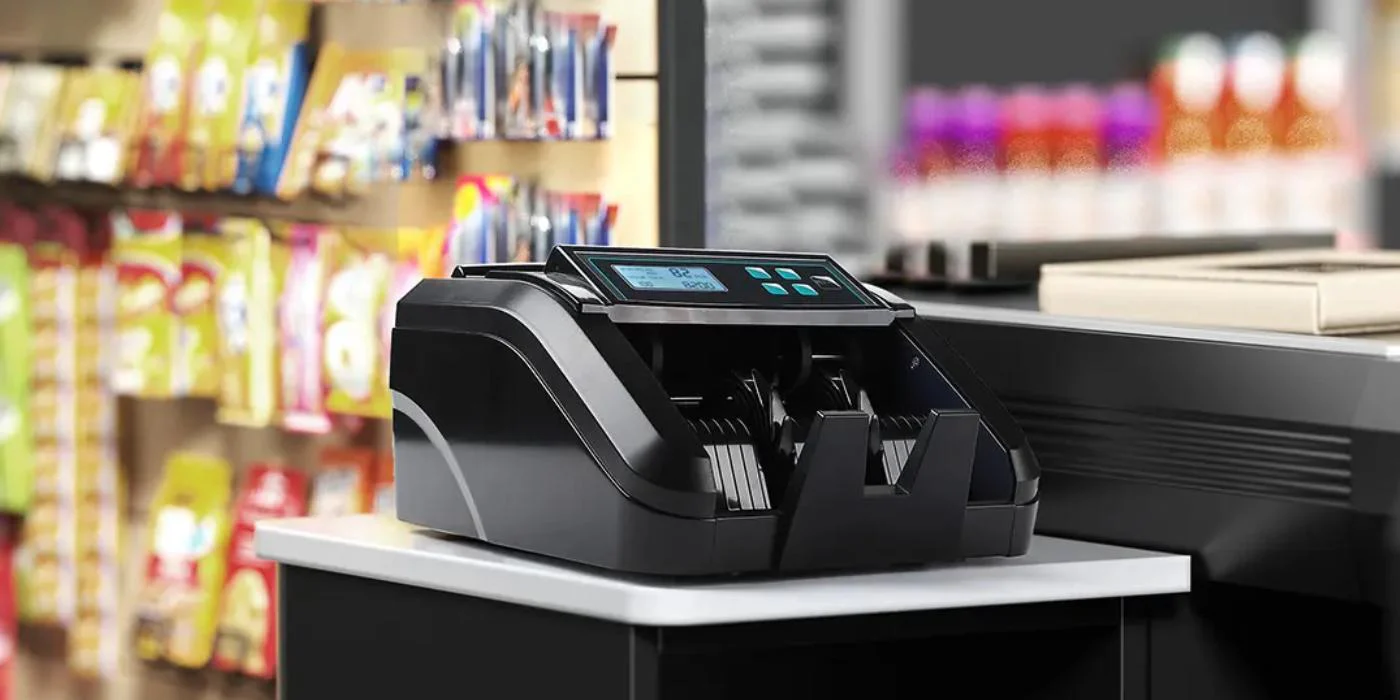
Currency counters have become essential tools for many retail stores, banks, and organizations dealing with large sums of cash. These machines help process bills quickly, reducing errors and saving time. They are built to sort and count bills at a rapid pace. These tools can help businesses manage in a better way when it comes to transactions. However, there are still some currency counters that do not do the same thing. Understanding the different types, features, and benefits of these devices can help users make informed decisions.
Types of Currency Counters
There are mainly three different types of currency counters common in the market: denomination counters, value counters, and mixed denomination counters. Simple currency counters only count the quantity of notes. Unlike value counters, which only count bills, value counters count based on denomination to figure out the total value. Mixed bill counters work within a single stack and detect and separate different denominations.
Basic Currency Counters
Standard currency counters are the best option for those companies that are interested in speeding up the process of handling cash. These machines are a fairly fast method of counting relatively large amounts of notes. They are not marking the denomination but are marking the total number of pieces correctly. Smaller retailers highly favor these devices due to their affordability and ease of operation.
Value Currency Counters
Value counters are definitely an upgrade over entry-level models. These machines scan bills and display the total amount of denominations counted. Operators feed the sorted stacks of one denomination, and then the machine will calculate the sum. The trip calculator, a highlight of the application, eliminates the need for manual measurements, thus saving time and reducing manual errors.
Mixed Bill Counters
Mixed bill counters take the automation a step further by allowing the processing of both denominations. They identify different denominations in a single pile and provide a piece count as well as a total. Finally, they sort and separate bills by denomination (if necessary). Companies appreciate the convenience and precision these devices give.
Key Features of Currency Counters
Contemporary counters provide features that enhance effectiveness and include attachments to the security building. Many models include counterfeit detection via ultraviolet or magnetic sensors. Such equipment features sensors that read the bills as they move through the machine to authenticate them. Additionally, some machines have batch counting, making it easy to stack bills in specified amounts for quick bundling.
User-Friendly Interfaces
Most counters now have digital readouts and simple buttons for controls. Such interfaces allow operators to have a view of results and operate the machine without any confusion. Display total system counts, values, and errors on clear screens. Controls that are easy to use require less training for personnel and help to avoid errors in operation.
Portability and Durability
The ability to move machines from one place to another is an important feature to have. They are smaller and lighter, which means you can easily transport these. Another consideration is durability, particularly in places that routinely deal with cash. They also provide machines that are built with durable materials that have proven capable of enduring regular use, ensuring their longevity and efficiency.
Maintenance and Cleaning
Most models offer self-cleaning or at least reminders for cleaning internal parts. Regular cleaning keeps dirt and debris from creating jams or miscounts. The components are easy to access, which makes maintenance straightforward, so little time is spent on upkeep by the user.
Benefits of Using Currency Counters
These currency counters save time and reduce manual counting errors. The machine can handle bulk cash in seconds, which allows the staff to focus on other critical matters. Accurate counts prevent cash losses due to errors or theft. Fake note detection provides an additional level of protection to enterprises, making certain they may not be accepting counterfeit invoice notes.
Improved Productivity
Other cash automation counters make cash handling easier and boost staff productivity. Instead of tedious counting, staff members are able to get on with customer service or management duties. Accuracy rises and the chance of errors falls with less manual labor.
Enhanced Security
One of the great advantages of these machines is security. Most counters have features that alert the user to suspicious bills, with alerts appearing in real time. Identifying counterfeit notes at the earliest can save money and allows you to keep the integrity of your business.
Cost-Effectiveness
Unlike buying a currency counter, which is an initial cost, the amount of money you save over the long term is substantial. Odd mistakes or time-consuming methods incur labor costs and sometimes lost revenue, and automation eliminates those costs and that lost revenue. Eventually, these savings make the cost of buying more than worth it.
Conclusion
They present various significant benefits to businesses that deal with cash on a daily basis. With an appropriate model with the correct features, the processing is faster, more accurate, and more secure. These machines ease the day-to-day functioning of cash handling processes for all the parties involved.
