

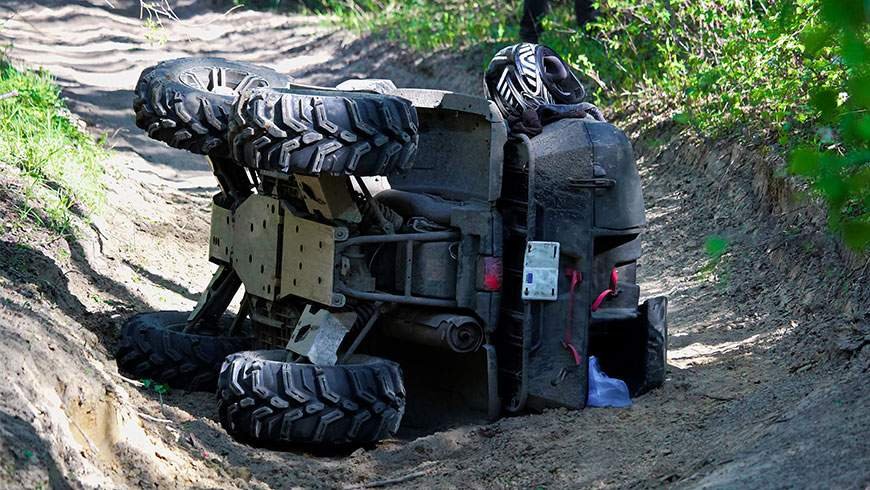
ATVs are a popular way to explore trails, farmland, and open country, and many families see them as part of weekend fun. The trouble is that these machines offer very little protection when something goes wrong. A rollover, a sudden ejection, or a failed brake can leave a rider with broken bones, a head injury, or worse in just a few seconds. Once the shock wears off, injured riders and their families often ask the same question: who pays for all of this?
The answer depends on why the crash happened. Getting legal help after an ATV accident makes sense as soon as you know the injury is serious, because the facts that decide a claim tend to fade quickly. Knowing your options early helps you protect your health, your finances, and your right to hold the responsible party accountable.
Why ATV Crashes Often Lead to Serious Injuries
ATVs are built to handle rough ground, but that does not make them stable. Their high center of gravity means they can tip on hills, sharp turns, or uneven ground, and most models have no roll cage or seat belt to keep the rider in place. When a rider is thrown or the vehicle lands on top of them, injuries such as spinal damage, crush injuries, fractures, and brain trauma are common.
The numbers show how often this happens. Federal safety data shows an average of more than 700 deaths and about 100,000 emergency room injuries each year involving off-highway vehicles, and ATVs accounted for nearly three-quarters of the deaths recorded from 2016 through 2018. Many of those cases involve children riding adult-sized machines.
Signs It Is Time to Talk to a Lawyer
Not every tip-over in the backyard calls for a legal claim. Minor bumps and bruises usually heal without much cost or lasting harm. Some situations, though, point toward a claim worth looking into, especially when someone else’s choices or a faulty product played a part.
- You needed a hospital stay, surgery, or ongoing treatment, and the medical bills are starting to pile up.
- You were a passenger, and the driver was speeding, drinking, or riding carelessly at the time of the crash.
- A part of the ATV failed during the ride, such as the brakes, throttle, steering, or fuel system.
- The crash happened on someone else’s land because of a poorly kept trail, a hidden ditch, or another hazard no one warned you about.
- The injured person is a child, or the accident led to the death of a family member.
- An insurance company is pushing a quick settlement before you know how serious the injury really is.
If any of these sound familiar, a short consultation can help you understand whether a claim is realistic and what it might involve. Many injury lawyers offer free first meetings, so asking questions early usually costs nothing and can save you from costly mistakes later.
Who Can Be Held Responsible for an ATV Accident
Many ATV crashes involve only one vehicle, so people often assume the rider is to blame. That is not always true. A driver who carried a passenger on a machine built for one person, or who rode after drinking, may be responsible for that passenger’s injuries.
Manufacturers can also be held liable. ATVs need working brakes, steering, throttles, and electrical parts to stay safe on rough terrain. When a design flaw or manufacturing defect causes a crash, the company that made the vehicle or part may have to pay, and in some cases the injured person does not have to prove anyone was careless. Landowners and trail operators can share the blame too if poor trail design or maintenance created the danger.
Steps to Take Right After the Crash
Your health comes first. See a doctor even if you feel fine, since head injuries and internal injuries do not always show symptoms right away. Tell the medical staff exactly how the accident happened so the details end up in your records.
Next, protect the evidence. Do not repair the ATV or throw away damaged parts, because a defect claim may depend on experts inspecting the machine. Take photos of the vehicle, the trail or ground where you crashed, and your injuries. Write down the names and phone numbers of anyone who saw what happened, and keep every bill, receipt, and pay stub that shows what the injury has cost you.
How a Lawyer Builds an ATV Injury Claim
An attorney who handles these cases starts by working out why the crash happened. That can mean reviewing witness statements, studying the scene, checking whether the ATV model has been recalled, and bringing in engineers who can test parts for defects. These details often make the difference between a weak claim and a strong one.
A lawyer also works with your doctors to understand the full cost of the injury. This includes current medical bills, future treatment, lost wages, and the pain and limits the injury places on daily life. Insurance companies often make early offers that leave out future costs, so having someone measure the real value of a claim can keep you from settling for too little.
Safety Habits That Can Also Affect Your Claim
The best ATV accident is the one that never happens. Federal safety officials recommend wearing a helmet and protective gear, taking a hands-on training course, staying off paved roads, and keeping children under 16 off adult-sized machines. The U.S. Consumer Product Safety Commission’s ATV safety resources explain these tips in detail and are worth sharing with anyone in your family who rides.
Riders should also skip alcohol before and during a ride, never carry more passengers than the ATV was built for, and slow down on unfamiliar ground. These habits matter after a crash too, because insurers often look at whether a rider wore a helmet or followed basic safety rules when deciding who was at fault. Riding safely lowers your risk of injury and can make a future claim easier to support.
Moving Forward After an ATV Accident
An ATV crash can leave you dealing with pain, medical bills, and missed work all at the same time. Taking care of your health, saving evidence, and keeping good records are the first steps that protect both your recovery and any future claim.
From there, the key question is whether someone else’s careless choice or a defective product caused the harm. A lawyer who understands ATV cases can review the facts, explain your rights, and help you decide on the next step with a clear picture of where you stand.
