

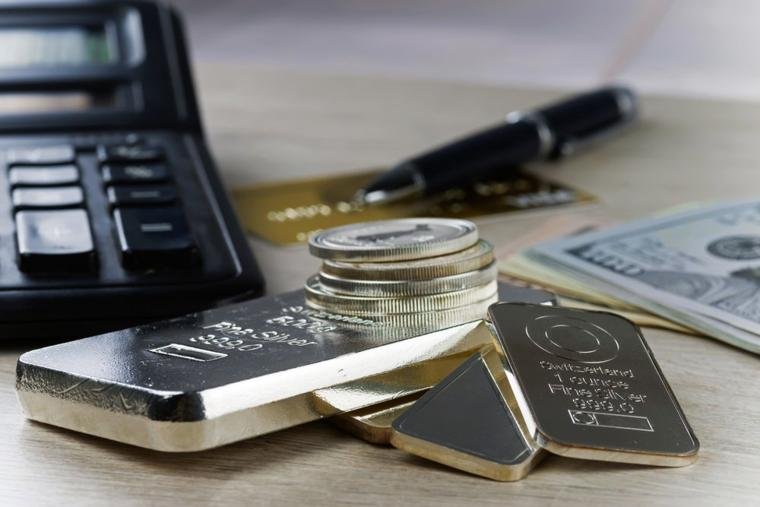
Selling silver can be simple when you understand what affects the value of your items. Many people have silver jewelry, coins, flatware, bars, trays, serving pieces, Native silver, or inherited items stored away without knowing what they are worth. Some pieces may have sentimental value, while others may simply be sitting unused in a drawer, cabinet, safe, or storage box.
Before accepting an offer, it helps to know how silver is evaluated, what buyers usually look for, and why two silver items that look similar can have very different values. Whether you are selling a single bracelet, a collection of silver coins, a set of flatware, or several mixed items, preparation can help you feel more confident during the process.
Why Silver Items Can Still Have Value
Silver has long been used in jewelry, coins, tableware, collectibles, decorative items, and investment products. Even when an item is scratched, tarnished, broken, incomplete, or no longer fashionable, it may still contain precious metal value.
This is important because many sellers assume that damaged or outdated items are not worth selling. In reality, the value may come from the metal content rather than the condition or style alone.
Common silver items people may sell include:
- Sterling silver jewelry
- Silver rings, necklaces, bracelets, and earrings
- Silver coins
- Silver bars and rounds
- Native silver jewelry
- Silver flatware
- Serving trays and tea sets
- Decorative silver items
- Broken or mismatched silver pieces
- Inherited silver collections
The first step is not guessing. The first step is having the item properly reviewed.
Sterling Silver vs. Fine Silver
Not all silver items contain the same amount of silver. This is one of the biggest factors that affects value.
Fine silver is usually very high in silver purity, but it is soft. Because of that, silver is often mixed with other metals to make jewelry and household items more durable. Sterling silver is one of the most common examples. It is typically marked with “925,” which means the item contains 92.5% silver and 7.5% other metals.
Common markings may include:
- 925
- Sterling
- Ster
- SS
- Fine silver
- 999
- Coin silver
These marks can provide useful clues, but they are not always the full answer. Some older pieces may have different markings. Some items may be plated rather than solid silver. Some pieces may be unmarked but still contain silver. Testing is often needed to confirm the actual metal content.
Silver-Plated Items Are Different
Silver-plated items are often confused with sterling silver. A plated item has a thin layer of silver over another base metal. These pieces may look attractive and may have collectible or decorative value, but their precious metal value is usually much lower because the silver layer is thin.
Common silver-plated items may include:
- Serving trays
- Tea sets
- Decorative dishes
- Flatware
- Candlesticks
- Bowls
- Older household pieces
This does not always mean a plated item has no value, but it should be evaluated differently from sterling or fine silver. Sellers should avoid assuming that all shiny or antique-looking items are solid silver.
Weight Is an Important Part of the Evaluation
The weight of the silver item matters because precious metal value is partly based on how much actual silver is present. However, total weight is not the same as pure silver weight.
For example, a heavy bracelet marked sterling does not contain 100% silver. Its value is calculated based on the silver percentage, weight, and market price. If the piece contains stones, enamel, wood, steel, or other non-silver materials, those parts may affect the calculation.
This is one reason professional evaluation is useful. A buyer can separate the different value factors instead of relying only on appearance.
Market Price Changes Matter
Silver prices fluctuate. The value of silver is connected to the current market, so an item may be worth more or less depending on when it is sold.
For sellers, this means an old estimate may not be accurate today. A price someone heard months or years ago may no longer reflect the current market. The most reliable way to understand value is to have the items reviewed based on current silver prices and actual metal content.
This is especially important when selling larger collections, silver bars, coin lots, or heavy flatware sets. Small differences in price and purity can matter more when the total weight is higher.
Coins May Have More Than Metal Value
Some silver coins are valued mostly for their metal content, while others may also have collectible value. Factors such as rarity, year, mint mark, condition, demand, and authenticity can influence the final offer.
Silver coins may include:
- U.S. silver coins
- Foreign silver coins
- Bullion coins
- Commemorative coins
- Collectible coin sets
- Mixed inherited coin collections
A coin should not be treated only as scrap silver without first checking whether it has collectible value. Even common silver coins should be evaluated carefully so the seller understands how the offer is being calculated.
Condition Can Matter, But Not Always in the Same Way
Condition affects different silver items differently.
For jewelry, condition may matter if the piece can be resold as wearable jewelry. A designer piece, Native silver piece, or vintage item may have value beyond its silver weight. For flatware or household items, complete sets and recognizable makers may sometimes add value. For bullion or scrap silver, condition may matter less than purity and weight.
Examples of condition factors include:
- Broken clasps
- Missing stones
- Tarnish
- Scratches
- Bent pieces
- Incomplete flatware sets
- Engraving
- Maker marks
- Age and style
- Wearability
Sellers should not throw away broken or tarnished silver before checking it. Even damaged items may still be worth evaluating.
Should You Clean Silver Before Selling?
In many cases, it is better not to aggressively polish or clean silver before evaluation. Heavy polishing can affect patina, remove surface detail, or reduce the appeal of older pieces. For collectible, antique, or Native silver items, natural aging may be part of the item’s character.
A gentle wipe with a soft cloth may be fine, but harsh cleaning chemicals, abrasive polishing, or attempts to “restore” a piece before selling can sometimes do more harm than good.
When in doubt, bring the item as-is and ask the buyer to evaluate it first.
Documentation Can Help
Documentation is not always required, but it can help when available.
Useful documents may include:
- Original purchase receipts
- Prior appraisals
- Certificates
- Coin set information
- Estate paperwork
- Designer packaging
- Notes from the previous owner
- Any known history of the item
Documentation may be especially useful for designer jewelry, Native silver, collectible coins, antique silver, or items with gemstones. Even if you do not have paperwork, the item can still be tested and reviewed.
Why Choosing the Right Buyer Matters
When people search for where to sell silver in Tucson, they are usually not just looking for a quick transaction. They want a fair evaluation, a clear explanation, and a comfortable process.
A good silver buyer should be able to explain:
- What type of silver the item contains
- Whether the item is sterling, fine silver, plated, or mixed material
- How weight affects the offer
- How current market prices are used
- Whether coins or collectible pieces have extra value
- Whether jewelry has value beyond metal content
- Whether there is any obligation to sell
The seller should feel informed, not pressured.
Questions to Ask Before Accepting an Offer
Before selling silver, it is reasonable to ask questions. A transparent buyer should be comfortable explaining the process.
Useful questions include:
- How did you determine the silver content?
- Is the item sterling, fine silver, plated, or another type?
- How was the weight calculated?
- Was the current market price used?
- Does the item have collectible or resale value beyond metal weight?
- Are gemstones, maker marks, or design features included in the evaluation?
- Is the evaluation free?
- Is there any obligation to sell?
- Will I receive a clear explanation of the offer?
- Can I bring multiple items for review?
These questions help sellers compare offers more confidently.
Selling Silver Alongside Gold or Jewelry
Many people do not bring in only one item. A seller may have a mixed group of gold jewelry, silver flatware, coins, broken chains, watches, Native American jewelry, or inherited pieces.
In that case, it can be helpful to work with a Tucson gold and silver buyer that can review multiple types of precious metal items in one appointment. This can make the process easier, especially when the seller is unsure what each item contains.
Mixed collections should be separated and evaluated carefully. Gold, silver, platinum, palladium, coins, jewelry, and plated items should not all be treated the same way.
When It Makes Sense to Sell Silver
People sell silver for many reasons. Some are decluttering. Some are settling an estate. Some have broken jewelry, incomplete flatware sets, or inherited items they do not use. Others simply prefer to turn unused valuables into cash.
Selling may make sense when:
- The item is no longer used.
- The piece is damaged or incomplete.
- You have inherited silver you do not want to keep.
- You want to reduce clutter.
- You want a current value estimate.
- You have multiple pieces and want a professional review.
- The silver market price makes selling worthwhile.
- You prefer cash over storing unused items.
There is no need to rush the decision. A no-pressure evaluation can help you decide whether selling is the right choice.
A Better Selling Experience Starts With Information
Selling silver does not have to feel confusing. The more you understand about purity, weight, markings, condition, market price, and buyer transparency, the easier it is to make a confident decision.
Before accepting an offer, gather your items, avoid aggressive cleaning, include any documentation you have, and ask how the value is being calculated. Whether you are selling silver jewelry, coins, flatware, bars, Native silver, or a mixed estate collection, a clear evaluation process matters.
Tucson Gold Buyers works with a wide range of precious metal items, including silver coins, jewelry, Native silver, flatware, bars, gold, bullion, watches, dental gold, Native American jewelry, and more. For Tucson sellers, the right buyer can make the process easier by providing a private, straightforward, and transparent review before any decision is made.
