

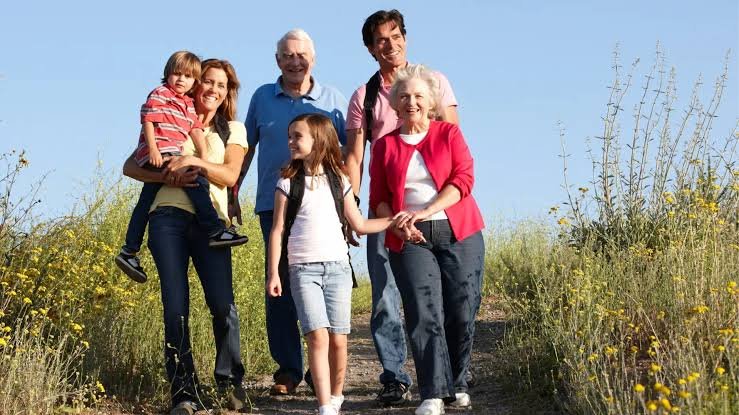
A family walk can offer time outdoors, movement, and a chance to talk without arranging an expensive outing. It can also become frustrating if the route is too long, one person sets an uncomfortable pace, or children have little interest in the destination. A little planning helps the outing fit the people taking part.
For families with school-age children, start by considering what everyone can comfortably manage. Think about the route, weather, access needs, and places to pause. You can build a walk around a nearby park, an interesting street, or a familiar path without making distance the main attraction.
Choose the Purpose Before Choosing the Distance
Decide what you want from this particular outing. A walk to explore a neighbourhood will look different from an adult’s brisk exercise session. Knowing the purpose helps you choose a suitable route and avoid competing expectations.
If you want relaxed family time, allow for conversation and stops. If someone wants a more demanding workout, they may prefer a separate session or an additional section afterward when supervision arrangements allow.
Give children a simple description before leaving. Tell them where you are going, what you might do there, and how you will return. A clear destination can make the plan easier to understand. For an unfamiliar route, choose an option that allows you to turn back or shorten the outing.
Match the Route to the People Coming
Consider surfaces, hills, traffic, seating, toilets, and shade. A route described as short may still be difficult for someone using a wheelchair, managing joint pain, or coping with uneven ground. Check the details that matter to your family before setting off.
For a first visit, a loop near home or a path with several exit points may be easier to manage than a long route with no convenient return. Remember that the outward journey is only part of the total distance.
Ask family members about their needs rather than assuming everyone can manage the same conditions. If you are meeting friends, share useful route information beforehand. This lets people decide what suits them and makes it easier to agree on an inclusive plan.
Let Children Help Shape the Walk
Give children a manageable role in the outing. They might choose between two suitable routes, suggest a place to pause, or identify something they want to look for along the way.
Simple activities can add interest without requiring equipment. Try spotting different door colours, listening for birds, or noticing how a familiar place changes through the year. Adapt the activity to your surroundings and keep attention on safety near roads and crossings.
Older children may prefer choosing music for the journey to the starting point, taking photographs at safe stopping places, or bringing a friend. Ask what would make the experience enjoyable for them. Leave room for conversation and quiet stretches as well; the walk does not need continuous entertainment.
Keep Fitness Numbers in Perspective
A watch or phone can provide useful feedback, but a step total does not capture everything about an outing. It says little about the conversation, a child’s enjoyment, or whether the chosen route was comfortable for everyone.
Adults interested in tracking their activity can explore whether 10,000 steps a day are necessary when considering a personal goal. Keep that adult goal separate from the distance children are expected to complete.
Adult physical activity guidance also considers intensity and muscle-strengthening activity. A gentle family stroll and a brisk walk may therefore contribute differently to someone’s exercise plan. Use the family outing for the purpose you agreed on, and arrange additional activity around individual needs where appropriate.
Plan for Water and Comfortable Conditions
Check the forecast before leaving and consider how conditions may change during the outing. In hot weather, choose a cooler time or an indoor alternative when outdoor conditions are unsuitable. Look for places where everyone can rest out of direct sun.
Bring water and make it easy to access. Offer opportunities to drink during the walk, especially when children are active or sweating. Clothing and footwear should suit the weather and terrain.
Knowing the early signs of dehydration in children can help parents notice changes such as dry mouth, reduced urination, or unusual tiredness. These signs should be considered alongside the situation and the child’s overall condition. Avoid assuming that a quiet child is simply bored or unwilling to continue.
Use the Walk to Teach Everyday Safety
Choose pavements or designated paths where available and use suitable crossing points. Stay attentive around driveways, car parks, and cycle paths, where vehicles or riders may appear unexpectedly.
Explain your decisions as you go. You can point out why you stop before crossing or why a parked vehicle blocks the view. Keep instructions brief and practise them together under adult supervision.
Adults should model the attention they expect from children. Put away distractions when navigating traffic, and agree on where everyone waits if the group becomes separated. Give children responsibility that matches their readiness, while maintaining the supervision they need. A game or conversation should pause whenever the surroundings require closer attention.
Know When to Shorten or Change the Plan
Check how everyone is doing during the outing. Ask about discomfort, footwear, tiredness, and the return journey before you reach a point where turning back becomes difficult.
If someone develops pain, dizziness, weakness, or feels unwell, stop and assess the situation. Move to a comfortable place and decide whether the outing should end or medical advice is needed. Confusion or difficulty waking a child requires urgent medical help.
You can also change plans for ordinary reasons. Unexpected heat, a closed path, or an uncomfortable route may justify taking a shorter option. Explain the decision calmly so children see that changing a plan can be part of sensible preparation. There is no obligation to finish the original route.
Make the Next Walk Easy to Organize
Afterward, ask what each person enjoyed and what they would change. You may discover that a particular destination was popular, the return journey felt long, or someone needed more stopping places.
Keep a note of useful details about routes you would use again. Include access information, convenient toilets, and quieter times to visit. Having a few familiar options reduces the work involved in arranging another outing.
If you decide to extend a future walk, change the plan gradually and check that it still suits everyone. A comfortable experience gives the family something worth repeating. Keep choosing routes and activities together, and allow the outing to develop around the people who are there.
