

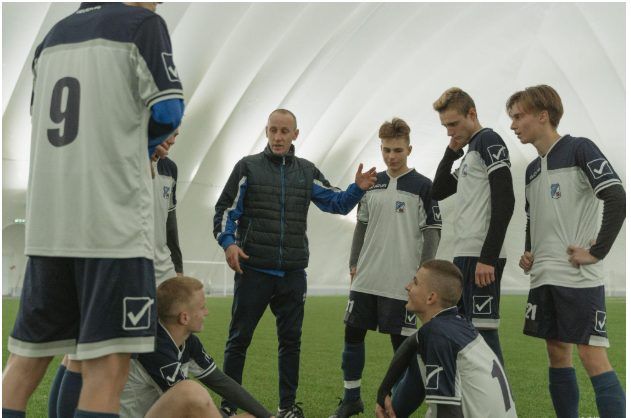
Most coaches put a serious amount of thought into what happens during practice. The drills, the conditioning, the game plans, the film sessions. All of it gets carefully mapped out because that’s where the visible work happens.
But here’s something a lot of coaches quietly know: what happens outside of practice hours often matters just as much. How an athlete thinks when they’re tired, how they handle a losing streak, how motivated they stay when things aren’t going their way. That stuff doesn’t get built on the practice field alone. Motivation is a full-time challenge, and the coaches who figure that out tend to get more from their athletes in the long run.
Bringing Outside Voices Into the Program
One of the most valuable things a coach can do is recognize that their voice, as respected as it may be, is not the only one their athletes need to hear. Coaches spend so much time with their teams that their words, even the most meaningful ones, can start to blend into the background. Athletes hear them every day. That familiarity is a strength in many ways, but it can also limit the impact of certain messages.
Outside voices carry a different kind of weight. When someone walks into a locker room who has been through real adversity, built something from nothing, or competed at the highest level, athletes pay attention in a different way. The message might not even be that different from what the coach has been saying all season, but hearing it from someone new and credible can make it land for the first time.
This is why so many sports programs, from college athletic departments to professional organizations, have started bringing in guest speakers as a regular part of their development work. Working with a keynote speakers bureau like SPEAKERS TEAM gives coaches and program directors access to a broad roster of athletes, coaches, and thought leaders who specialize in motivation, leadership, and mental performance. It takes the guesswork out of finding the right voice for the right moment in a season.
Building Real Relationships With Athletes
Motivation that actually sticks comes from trust. And trust doesn’t come from a whiteboard speech or a pregame pump-up. It comes from a consistent, genuine connection over time. Coaches who take the time to understand what drives each athlete individually are in a much better position to keep them engaged when things get hard.
That means going beyond performance. Asking about life outside the sport. Remembering that an athlete had a family thing going on last week and checking in about it. Noticing when someone seems off and actually saying something. These small moments add up and send a clear message: I see you as a person, not just a player.
Athletes who feel genuinely valued by their coach tend to push harder and stay more committed. Not because they’re told to, but because they don’t want to let someone down who actually cares about them. The same leadership lessons that make great athletes also shape great coaches — trust, accountability, and genuine investment in the people around you.
Setting Goals That Go Beyond the Scoreboard
Winning matters. No one is pretending otherwise. But if winning is the only thing tying an athlete to their motivation, that motivation is going to be shaky at best. Seasons are long, results are unpredictable, and every team goes through stretches where things aren’t clicking. Athletes who only have the scoreboard to anchor them can lose their drive fast when wins aren’t coming.
The coaches who build lasting motivation help their athletes connect to something more personal. That means sitting down with each athlete and talking through individual goals that exist regardless of the team’s record. Goals around personal growth, consistency, skill development, and character. Tracking those things alongside performance stats sends a message that progress is happening even when the wins aren’t piling up.
Celebrating non-performance wins matters too. An athlete who showed up every day during a rough stretch, kept a good attitude through adversity, or pushed through something mentally tough deserves to have that recognized.
Using Mental Skills Training as Part of the Routine
Physical preparation gets a lot of attention in sports. Mental preparation, not so much. A lot of programs still treat mental skills work as something optional, or something you do only when an athlete is struggling. That’s a missed opportunity.
The coaches who get the most out of their athletes tend to treat mental training as a regular part of the schedule, not a fix for a problem. Visualization before competition. Breathing techniques for managing nerves and staying focused. Pre-performance routines that help athletes get into the right headspace consistently. Tools for dealing with mistakes in the moment without spiraling.
When these things are practiced regularly, they become habits. Athletes stop needing to be reminded to reset after a bad play because they’ve built the mental routine to do it automatically. That kind of preparation doesn’t just help on game day. It carries over into how athletes handle pressure in every area of their life, which is exactly the kind of development that keeps people connected to their sport for the long run.
Creating a Team Culture That Fuels Motivation
Individual motivation is important, but the environment athletes train in shapes how motivated they stay over time. A team culture built on accountability, mutual respect, and shared standards creates something athletes want to show up for. When people genuinely care about the people next to them and feel like they’re part of something real, motivation becomes less dependent on a coach firing them up and more self-sustaining.
Coaches set that culture more through their actions than their words. The standards they hold everyone to, including themselves. How they respond when things go wrong. Whether they give credit when it’s due and take responsibility when it isn’t. Athletes are watching all of it, and the culture reflects what they see.
Motivating athletes beyond the practice field isn’t about one big speech or the right playlist before a game. It’s an ongoing process built from outside perspectives, genuine relationships, meaningful goals, mental preparation, and a team culture worth being part of. Coaches who invest in all of these things don’t just get better performance out of their athletes. They build people who carry those habits long after the season is over.
