

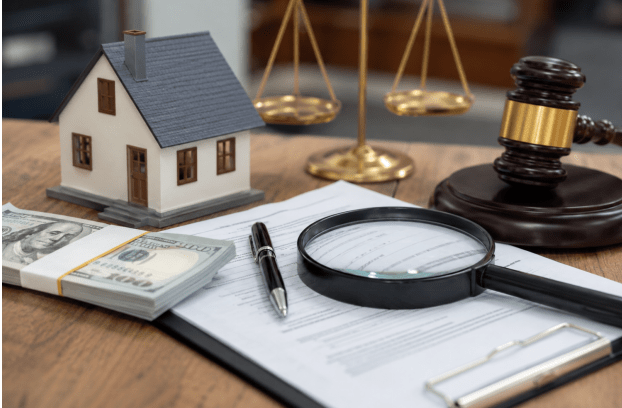
Buying a home is one of the biggest financial decisions most people will ever make. A mortgage makes homeownership possible, but it also creates opportunities for dishonest individuals to exploit buyers, lenders, investors, and even government-backed lending programs. While many people associate financial crime with sophisticated cyberattacks or identity theft, real estate lending has become another major target because of the large amounts of money involved in every transaction. A single dishonest document, an inflated appraisal, or false employment information can affect everyone connected to a loan. Buyers may lose their savings, lenders can face significant losses, neighborhoods may experience declining property values, and investors funding mortgage-backed loans may also suffer financial damage.
Why Home Loan Transactions Attract Financial Criminals
Real estate transactions involve multiple professionals, including lenders, brokers, appraisers, title companies, attorneys, inspectors, and buyers. Because so many parties participate, dishonest individuals sometimes exploit communication gaps between them. Unlike everyday purchases, mortgage transactions require extensive documentation, income verification, property valuations, credit reports, tax records, and legal disclosures. If even one part of that documentation is intentionally manipulated, the entire transaction may become compromised.
Several factors make home lending attractive to fraudsters:
- Large loan amounts create opportunities for significant financial gain.
- Multiple parties may rely on information supplied by others without independently verifying every document.
- Complex paperwork can confuse first-time buyers.
- Digital document sharing allows forged records to circulate more easily.
- Rising property values sometimes encourage unethical practices.
Financial institutions continue investing heavily in fraud detection systems, yet sophisticated schemes evolve every year, making education one of the strongest forms of protection.
The Difference Between Honest Mistakes and Intentional Deception
Not every error made during a mortgage application qualifies as criminal misconduct. Missing paperwork, accidental calculation mistakes, or outdated financial information generally differ from deliberate attempts to mislead lenders. Intentional deception usually involves knowingly providing false information to obtain financing that would otherwise be denied or approved under different terms.
Examples include falsifying:
- Employment history
- Annual income
- Bank statements
- Credit information
- Property occupancy intentions
- Purchase prices
- Down payment sources
Courts generally focus on whether inaccurate information was intentionally submitted to influence lending decisions. This distinction becomes important during investigations because criminal intent often determines whether civil penalties, criminal prosecution, or administrative action follows.
How Mortgage Fraud Usually Happens During a Real Estate Transaction
The phrase Mortgage Fraud covers a wide range of deceptive activities designed to influence mortgage approvals, increase loan values, hide financial risk, or illegally profit from property transactions. Although individual schemes differ, most follow a similar pattern: someone intentionally provides false or misleading information so a lender approves financing it otherwise would have rejected or structured differently. Some schemes involve a single dishonest borrower. Others include organized groups made up of mortgage brokers, appraisers, investors, contractors, or real estate professionals working together. Common examples include:
Income Misrepresentation
Applicants exaggerate salaries, fabricate self-employment income, or create fake employment verification letters to qualify for larger loans.
Occupancy Fraud
Borrowers claim a property will serve as their primary residence even though they intend to rent or immediately resell it. Owner-occupied loans often receive lower interest rates, making this deception financially attractive.
Appraisal Manipulation
An intentionally inflated appraisal increases the property’s reported value. Higher valuations may result in larger loans than the property actually supports.
Straw Buyer Schemes
Someone with strong credit applies for financing on behalf of another individual who could not qualify independently. The true purchaser often remains hidden throughout the transaction.
Identity Theft
Criminals steal personal information to obtain mortgages using another person’s identity, creating devastating financial consequences for victims.
Warning Signs Every Homebuyer Should Never Ignore
Many victims discover problems only after closing because they trusted every document placed before them. Taking time to review paperwork carefully can prevent months or years of financial complications.
Pay attention if you notice:
- Documents containing incorrect income figures.
- Blank forms requiring signatures.
- Pressure to sign immediately.
- Requests to misrepresent occupancy plans.
- Unexplained fees appearing shortly before closing.
- Different purchase prices across multiple documents.
- Missing disclosure forms.
- Instructions not to contact the lender directly.
Honest lenders encourage questions. Professionals who discourage independent verification deserve closer scrutiny.
Technology Is Changing Both Fraud and Fraud Prevention
Modern lending has become increasingly digital. Online applications, electronic signatures, automated underwriting systems, artificial intelligence, and remote identity verification have improved efficiency across the mortgage industry. Unfortunately, these same innovations also provide criminals with new opportunities.
Artificial intelligence can generate convincing forged employment records. Image-editing software allows altered bank statements to appear authentic. Synthetic identities combine real and fabricated personal information to create entirely new borrower profiles. At the same time, lenders now use sophisticated technologies to identify suspicious activity much earlier than in previous decades.
Many financial institutions rely on:
- Machine learning models that detect unusual borrowing behavior.
- Identity verification software.
- Biometric authentication.
- Document authentication systems.
- Digital fraud scoring platforms.
- Property valuation analytics.
- Cross-database verification tools.
Instead of relying solely on manual review, lenders increasingly compare thousands of data points in seconds to identify inconsistencies that human reviewers might overlook.
Financial and Legal Consequences Can Last for Years
People often underestimate how serious lending-related fraud investigations become. A fraudulent mortgage application does not simply risk loan denial it may trigger civil lawsuits, regulatory investigations, insurance disputes, foreclosure proceedings, and criminal prosecution depending on the circumstances. For borrowers, consequences may include damaged credit histories, foreclosure, repayment obligations, heavy financial penalties, and difficulty qualifying for future loans.
Professionals involved in deceptive transactions may lose licenses, face substantial fines, or become permanently excluded from federally insured lending programs. Lenders also suffer significant losses through unpaid balances, legal expenses, investor claims, and reputational damage. Because many mortgages are sold into secondary markets, a single fraudulent loan can affect numerous financial institutions beyond the original lender
How Financial Institutions Investigate Suspicious Loan Activity
Mortgage lenders no longer rely solely on manual document reviews. Most banks and lending institutions combine experienced underwriters with automated fraud detection systems that compare thousands of data points before a loan reaches final approval. When unusual patterns appear, additional verification steps are often required.
Investigations typically begin when inconsistencies emerge between the information provided by the borrower and independent data sources. For example, an employer may deny issuing an employment verification letter, or tax records may not match reported income. Property appraisals that significantly exceed recent comparable sales can also trigger closer examination.
Common verification methods include:
- Direct employment and income confirmation.
- Bank statement authentication.
- Tax transcript verification.
- Property appraisal reviews.
- Identity authentication.
- Credit history analysis.
- Title and ownership searches.
These safeguards protect not only lenders but also honest borrowers who could otherwise become victims of fraudulent transactions.
Real-World Lessons From Common Fraud Scenarios
Understanding how these schemes unfold in practice makes it easier to recognize warning signs before financial damage occurs.
Scenario 1: Inflated Property Value
An investor purchases a property below market value and works with dishonest parties to obtain an intentionally inflated appraisal. The lender issues a much larger loan than the property’s true value supports. When loan payments stop, the lender is left with collateral worth far less than expected.
Scenario 2: False Income Documentation
A borrower submits fabricated pay stubs showing significantly higher earnings. Because the income appears sufficient, the loan is approved. During a later audit, discrepancies are discovered, resulting in foreclosure proceedings and potential legal action.
Scenario 3: Identity-Based Loan Application
Personal information stolen through a data breach is used to apply for a mortgage. The victim often remains unaware until collection notices or credit report changes reveal the unauthorized loan.
Practical Steps That Reduce Fraud Risk for Every Borrower
Most fraudulent transactions succeed because important details go unquestioned. Borrowers who stay actively involved throughout the loan process are far less likely to become victims.
Before signing any mortgage documents:
- Read every page carefully, including disclosures.
- Verify that income, employment, and financial information are accurate.
- Confirm all fees listed in the closing documents.
- Review the property appraisal if one is provided.
- Never sign incomplete or blank forms.
- Keep copies of every document submitted and received.
- Ask questions whenever figures or loan terms change unexpectedly.
- Work only with licensed professionals and reputable lending institutions.
Small verification steps often prevent costly legal and financial problems later.
Why Ethics Matter Throughout the Mortgage Industry
The strength of the housing market depends heavily on trust. Buyers trust lenders to provide fair financing, lenders trust applicants to provide truthful information, and investors trust that mortgage-backed assets accurately reflect the loans they purchase. When deception enters the process, the effects extend well beyond a single transaction. Fraudulent loans can increase foreclosure rates, reduce investor confidence, distort local property values, and contribute to financial instability.
Historical housing crises have demonstrated that widespread lending misconduct can create long-term economic consequences affecting millions of households. Maintaining ethical standards protects consumers, strengthens financial institutions, and supports a healthier real estate market.
Conclusion
A successful home purchase is built on transparency, accurate documentation, and informed decision-making. While modern technology has made mortgage applications faster and more convenient, it has also created new opportunities for financial deception. Borrowers, lenders, and real estate professionals all share responsibility for maintaining integrity throughout the lending process. Understanding how fraud schemes develop, recognizing early warning signs, and verifying information before closing significantly reduces risk. Careful preparation, open communication, and attention to detail remain the most effective defenses against costly lending scams. As financial institutions continue improving fraud detection systems, informed consumers will remain the strongest line of protection in creating a more secure and trustworthy housing market.
