

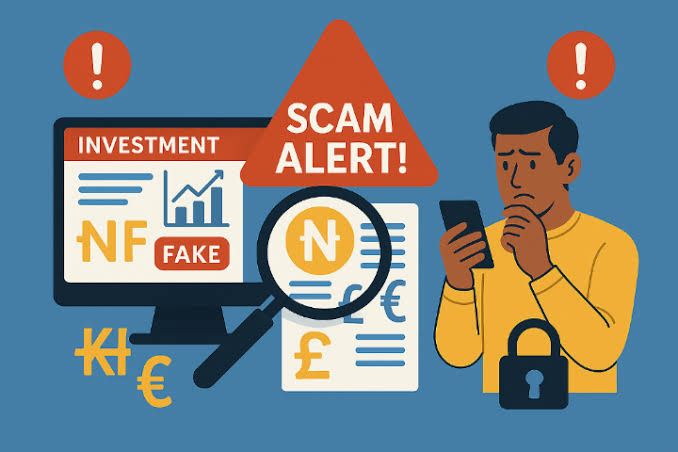
Executives, founders, and business owners are often comfortable evaluating risk. That confidence can be useful, but it can also make a fraudulent investment opportunity harder to spot. Many schemes are not pitched as obvious scams. They arrive as private placements, bridge-loan opportunities, promissory notes, crypto strategies, referral-only funds, or exclusive deals introduced through a familiar professional network.
The executive challenge is not to avoid every risky investment. Risk belongs in investing. The challenge is to separate legitimate risk from warning signs that the opportunity, seller, use of funds, or promised return may not match what is being represented. A disciplined review process can protect capital before the money moves and preserve evidence if the investment later looks fraudulent.
Key Takeaways
- A legitimate investment can lose money, but a fraudulent opportunity often depends on false statements, missing disclosures, misuse of funds, pressure, secrecy, or unverifiable records.
- Executives should verify who is selling the investment, who holds the money, how returns are generated, what documents exist, and what happens if withdrawal requests are made.
- Red flags include guaranteed-sounding returns, pressure to act quickly, unregistered sellers, personal-account payment instructions, vague custody arrangements, and reluctance to provide written terms.
- Recent SEC and DOJ examples show that fraudulent opportunities can be packaged as promissory notes, loan programs, online trading strategies, and crypto-related investment platforms.
- When warning signs appear, preserve records before confronting the seller, sending more money, or signing any release.
Start With the Business Model, Not the Pitch
Fraudulent investments often sound persuasive because they borrow language from legitimate finance: bridge loans, private credit, real estate funds, pre-IPO access, trading algorithms, receivables financing, or digital-asset yield strategies. The label matters less than the underlying business model.
An executive review should begin with simple questions. What business activity creates the return? Who controls investor funds? Who verifies performance? What third-party records exist? What are the fees, conflicts, lockups, and liquidity limits? If the investment cannot be explained in plain written terms, or if the explanation changes depending on who asks, the opportunity deserves closer scrutiny.
Fraud risk rises when the return story depends mainly on trust in the promoter rather than verifiable records. A confident seller, polished deck, or familiar referral does not replace audited statements, custodian records, offering documents, bank records, or independent confirmation.
Verify the Seller and the Custody Path
According to Investor.gov’s red-flags checklist, warning signs include unlicensed professionals, aggressive sellers, too-good-to-be-true offers, risk-free opportunities, guaranteed returns, immediate pressure, and requests to send money abroad or to a personal account. Those are operational red flags as much as investor-protection warnings.
FINRA’s fraud red-flag guidance also warns investors to be cautious with guarantees, unsolicited offers, secrecy, unregistered products, unregistered sellers, account discrepancies, and pushy sales tactics. Executives should treat those signs as triggers for verification, not as points to debate with the seller.
- Confirm the full legal name of the seller, issuer, adviser, broker, and custodian.
- Check whether the person or firm is registered, licensed, disciplined, or using a confusingly similar name.
- Confirm whether money is going to the named investment vehicle, a custodian, a personal account, a related entity, or a crypto wallet.
- Request written offering documents, subscription agreements, risk disclosures, fee schedules, and use-of-proceeds information.
- Independently verify contact information rather than relying only on links, phone numbers, or portals provided by the promoter.
Interrogate Returns That Look Too Smooth
Executives may be used to ambitious projections, but investment returns that appear unusually steady deserve special attention. Fraudulent opportunities often minimize volatility, present losses as temporary administrative delays, or claim that a strategy can generate high returns in almost every market environment.
For example, the SEC’s 2025 First Liberty action alleged a Ponzi scheme involving promissory notes and loan participation agreements that defrauded approximately 300 investors of at least $140 million. According to the SEC, investors were told that funds would be used for short-term bridge loans, while the complaint alleged that new investor money was used to pay existing investors and that investor funds were misappropriated.
The executive lesson is straightforward. A private-credit label does not prove that real loans are performing. A promissory note does not prove that the borrower has the revenue to repay it. Regular distributions do not prove that an operating business is generating the cash. The due-diligence question is whether the stated return is supported by records independent of the seller’s own dashboard or updates.
Online Access Does Not Equal Transparency
Modern investment fraud often uses websites, dashboards, social media, messaging apps, webinars, fake testimonials, and private groups to create the appearance of transparency. Executives should be especially careful when an online platform shows returns but does not provide a reliable custodian, independent account records, audited statements, or clear withdrawal mechanics.
For example, the Department of Justice reported in November 2025 that Travis Ford of Wolf Capital Crypto Trading LLC was sentenced after the company raised $9.4 million from approximately 2,800 investors through a website, social media, and other online promotion. DOJ stated that Ford held himself out as a sophisticated trader able to deliver high daily returns and admitted he did not believe those promised returns could be achieved consistently.
Digital presentation can make a weak investment look sophisticated. A portal can show numbers without showing custody. A chat group can create urgency without verification. A crypto wallet address can move money without identifying the responsible party. The more digital the pitch, the more important it is to preserve screenshots, wallet addresses, transaction hashes, usernames, URLs, timestamps, and promotional statements.
Build an Executive Red-Flag Checklist
The CFTC’s fraud advisory guidance cautions against guaranteed-sounding sales pitches, requests to transfer cash quickly, false urgency, and difficulty getting background information about the person or company. Those warnings apply beyond one product category because they focus on seller behavior.
California DFPI’s investment red-flag guidance similarly warns about low-risk promises, guaranteed returns, secrecy, lack of written terms, recruitment or fee requirements, and crypto-wallet requests. A practical executive checklist should flag any opportunity that combines high return, low documentation, fast deadline, unusual payment path, and resistance to independent review.
- The seller discourages outside review by counsel, accountants, family members, or other advisers.
- The investor is told the opportunity is available only today, only to a select group, or only if funds are wired immediately.
- The promised return is unusually high, unusually steady, or described as protected from ordinary market risk.
- The documents are incomplete, inconsistent, unsigned, or unavailable until after money is sent.
- The seller cannot explain custody, fees, conflicts, liquidity limits, valuation methods, or use of proceeds.
- Withdrawal requests produce excuses, new fees, tax demands, platform upgrades, or pressure to reinvest.
Preserve Evidence Before the Story Changes
If warning signs appear, preservation should come before confrontation. Executives are often trained to move quickly, negotiate directly, and solve problems through a call. That can be risky in a suspected fraud scenario because a direct accusation may cause a promoter to stop communicating, edit online materials, close a portal, or change the explanation.
Preserve emails, text messages, pitch decks, offering materials, subscription agreements, wire receipts, ACH confirmations, bank records, portal screenshots, investor updates, tax forms, and notes from calls or meetings. Save full threads rather than excerpts. Keep original files where possible. Write a timeline that separates documented facts from memory.
When asking questions, keep the tone factual. Ask for documents, account records, custodian information, legal entity names, withdrawal procedures, valuation support, and written explanations for any mismatch. Silence, delay, or a changed story can become part of the record.
When Legal Review Becomes Necessary
A review by an investment fraud lawyer can help determine whether the facts point to ordinary market risk, issuer fraud, broker misconduct, adviser misconduct, theft, unsuitable recommendations, selling away, unauthorized trading, or another recovery theory. The review can also identify the forum, deadlines, responsible parties, evidence gaps, and likely defenses.
Legal review is especially important before signing a release, accepting partial repayment, sending more money, deleting records, closing an account, or waiting for another promised update. The goal is not to label every failed opportunity as fraud. The goal is to understand the record while options remain open.
Frequently Asked Questions
Does a high return automatically mean an investment is fraudulent?
No. High returns can occur in legitimate high-risk investments. The concern is stronger when a high return is paired with guarantees, pressure, secrecy, unverifiable records, unclear custody, or resistance to written documentation.
What should an executive verify before investing?
Verify the seller, issuer, custodian, registration status, use of funds, fees, conflicts, liquidity limits, risk disclosures, financial records, and the payment path. Independent verification matters more than the promoter’s own materials.
What should be saved if an opportunity starts looking suspicious?
Save communications, offering documents, contracts, statements, transfer records, screenshots, portal data, wallet addresses, transaction hashes, investor updates, and a timeline of who said what and when money moved.
Should executives confront the promoter immediately?
Usually, evidence should be preserved first. If questions are sent, keep them factual and focused on documents, account records, withdrawal mechanics, entity names, and written explanations.
Is a regulator complaint the same as a recovery claim?
No. A regulator complaint may help authorities investigate misconduct, but personal recovery may require arbitration, litigation, receivership participation, settlement, or another claim process.
Bottom Line
Executives do not need to avoid all risk, but they should insist on verification before trusting a private investment pitch. Fraudulent opportunities often reveal themselves through pressure, secrecy, too-smooth returns, unclear custody, inconsistent documents, and resistance to independent review. When those signs appear, the best next step is disciplined preservation and a careful legal evaluation before the record changes.
This page provides general information for U.S. investors and is not legal advice for any specific investment, claim, deadline, forum, or jurisdiction.
