

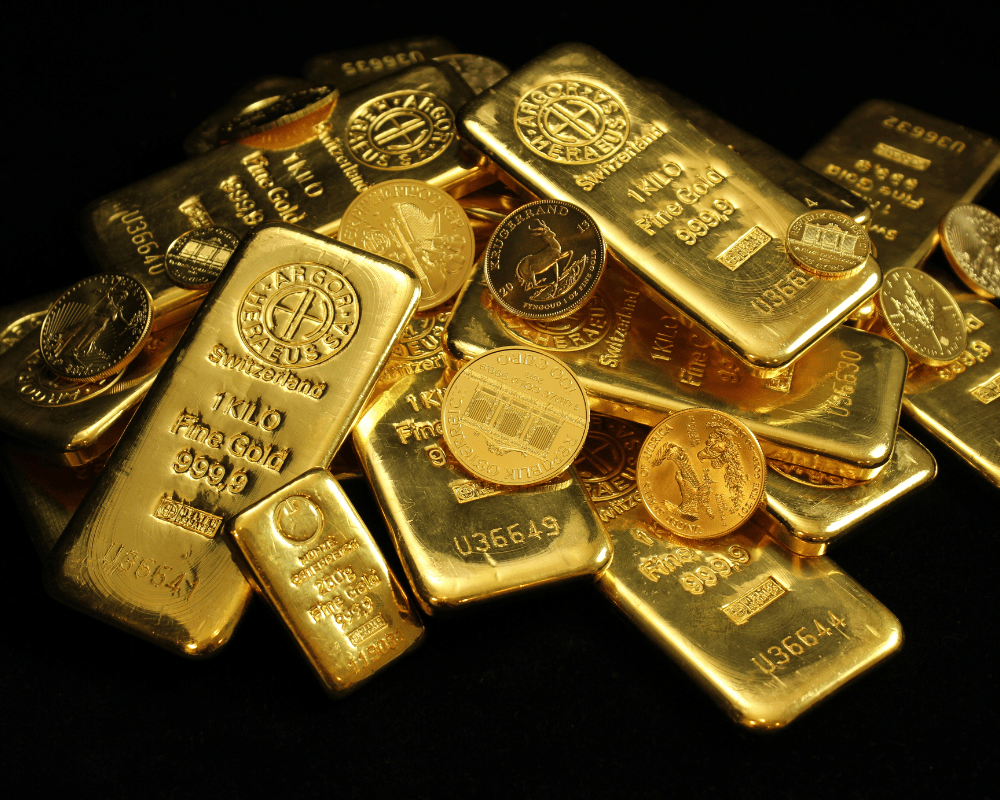
A box of old coins can leave its owner with more questions than answers. Some pieces may be ordinary silver coins, others recognizable gold bullion, and a few unfamiliar coins might deserve closer attention. Search for a “coin shop near me” in Los Angeles and the results can include collectible dealers, pawn shops, jewelry stores, and precious metal buyers.
Choosing between a coin shop and a gold buyer in Los Angeles starts with understanding what you own. A buyer focused on metal content may suit common bullion, while a specialist may recognize collector demand that a weight-based offer overlooks. The right choice depends on the coins, the explanation behind the offer, and whether you want a direct sale or another arrangement.
What separates a coin shop from a gold buyer?
Coin shops often work with numismatic value: the value collectors attach to a coin because of its rarity, condition, history, or desirability. A dealer may examine its date, mint mark, surface quality, and grade before considering what another collector would pay. The mint mark identifies where a coin was made; the grade describes its condition.
Gold buyers generally place greater emphasis on precious metal content, verified purity, weight, and current market prices. They may also buy silver, bullion bars, and jewelry. These categories overlap. Some coin dealers actively trade bullion, and some precious metal buyers have coin expertise. Ask how the business will evaluate your particular pieces rather than relying on its name.
When a specialist coin dealer makes sense
Seek numismatic expertise when coins have unusual dates or mint marks, scarce varieties, historical interest, or professional grading holders. A limited mintage can warrant investigation, although low production alone does not establish a premium. Age also does not automatically make a coin rare or valuable.
An inherited collection with handwritten labels, individual protective holders, or detailed purchase records deserves a careful review before anything is grouped together for weighing. Keep those records with the relevant pieces. A specialist can help identify whether a coin has a collectible premium and whether a direct purchase or consignment is appropriate.
For consignment, ask about commission, timing, minimum fees, and what happens if the coin does not sell. A possible higher selling price needs to be considered alongside those costs and the wait for payment. Obtain a second opinion before accepting a metal-only offer for a potentially significant coin.
When a gold buyer may be more convenient
Common bullion coins, gold bars, silver rounds, and mixed precious metal lots often call for a straightforward purchase offer. A professional buyer may be convenient when you also have broken chains, scrap gold, or unwanted jewelry and would prefer one visit to several separate selling arrangements.
If you want to sell gold coins for cash in Los Angeles, ask the buyer to identify each coin and explain whether the offer includes any premium above its metal value. Direct purchasing can avoid a consignment wait or the work of finding a private buyer, but convenience should come with a clear, itemized explanation.
Separate possible collectibles from ordinary bullion before agreeing to a total. You can accept an offer for common pieces and take unusual coins elsewhere for further evaluation. There is no reason every item in a collection must be sold through the same channel.
Melt value and collectible value are different
Melt value is the approximate value of the precious metal contained in an item. A basic estimate multiplies its fine metal weight by the relevant spot price, the market reference price for the metal. Use matching units: a price per troy ounce cannot be multiplied directly by a weight in grams.
Total weight and fine metal weight can differ because coins may contain alloys. Identify the coin’s specifications rather than assuming every gold-colored piece is pure gold. Similarly, silver-colored coins are not necessarily silver. Purity testing and accurate weighing help establish what metal is actually present.
A common bullion coin may trade mainly on metal content plus a market premium. A rare graded coin may command substantially more because collectors want that particular date, variety, and condition. Even bullion premiums vary by product and demand. The U.S. Mint distinguishes bullion purchased for metal exposure from collectible coins valued for factors such as rarity and condition.
Spot value is a reference point, not a guaranteed payout. A purchase offer can reflect resale demand, testing, refining where needed, operating costs, and the buyer’s margin. Ask which factors account for the difference and compare net offers for the same items within a similar time window.
Where pawn shops fit
A pawn shop may offer either an outright purchase or a loan secured by your coins. A sale transfers ownership. A pawn loan is a different transaction, with repayment terms and charges that determine what it costs to recover the items. Clarify which arrangement is being discussed before signing.
A loan may suit someone who intends to reclaim a possession, while a direct sale may suit someone ready to part with it. Coin expertise and purchase offers vary among pawn shops, just as they do among other buyers. Apply the same questions about metal content, collectible premiums, fees, and payment.
Why a local evaluation helps Los Angeles sellers
An in-person visit lets you watch the evaluation, ask about the scale reading, and compare the explanation with another buyer’s assessment. It also avoids packing and shipping valuables. For someone traveling from North Hollywood or Pacoima, confirming the address, hours, and relevant buying services before leaving can prevent an unnecessary trip.
One local option for cash for gold in Los Angeles is Los Angeles Gold Buyer Exchange. Its website describes counter-side testing and weighing, state-certified scales, free evaluations without an obligation to sell, and same-day cash for accepted offers. Treat those stated services as points to confirm when arranging a visit, and compare the resulting offer with other suitable buyers.
The business’s locations page lists options in Harvard Heights near Koreatown, Vermont-Slauson, Florence, Willowbrook, and Walnut Park, among others. Choose a verified address that fits your route rather than assuming every nearby neighborhood has a storefront. Ask whether someone qualified to assess your coin type will be available.
What to bring, and what to leave untouched
Keep coins in their existing protective holders and bring any supporting information. Missing packaging or receipts does not automatically prevent an evaluation, but documentation may help identify a piece or explain its history. Before your visit, gather:
- The coins, bullion bars, and other precious metal items you want assessed.
- Original packaging, grading certificates, receipts, or purchase records, if available.
- Notes identifying which records belong to which coins.
- Valid government-issued photo identification, and any additional documents the buyer requests.
Do not clean or polish potentially collectible coins. The U.S. Mint cautions that cleaning can reduce their value. Leave grading holders sealed, avoid rubbing surfaces, and tell the evaluator about any known previous cleaning or damage. A brighter appearance does not establish a better coin.
Questions to ask before accepting an offer
A useful evaluation should give you enough information to compare offers without guessing. Ask these questions before deciding:
- Are you pricing each coin for metal content, collectible value, or both?
- What spot price, purity, weight, and units are you using?
- Which premiums, deductions, or fees affect the final amount?
- Is the evaluation free, and can I decline without a charge?
- When and how will I receive payment if I accept?
Request a written breakdown for a mixed collection. A larger headline offer is less helpful if you cannot tell what it covers or what will be deducted. If the explanation is unclear or the decision feels rushed, keep your items and compare another evaluation.
Choose the buyer who can explain your coins
Rare and graded coins may benefit from a specialist dealer’s knowledge; common bullion and mixed precious metals may suit a professional gold buyer’s direct purchase process. Pawn shops offer another route, provided you understand whether you are selling or borrowing. Before selling gold or silver coins in Los Angeles, preserve their condition, check for collector value, and compare clear net offers. A well-explained valuation is a stronger basis for a decision than an advertised promise.
