

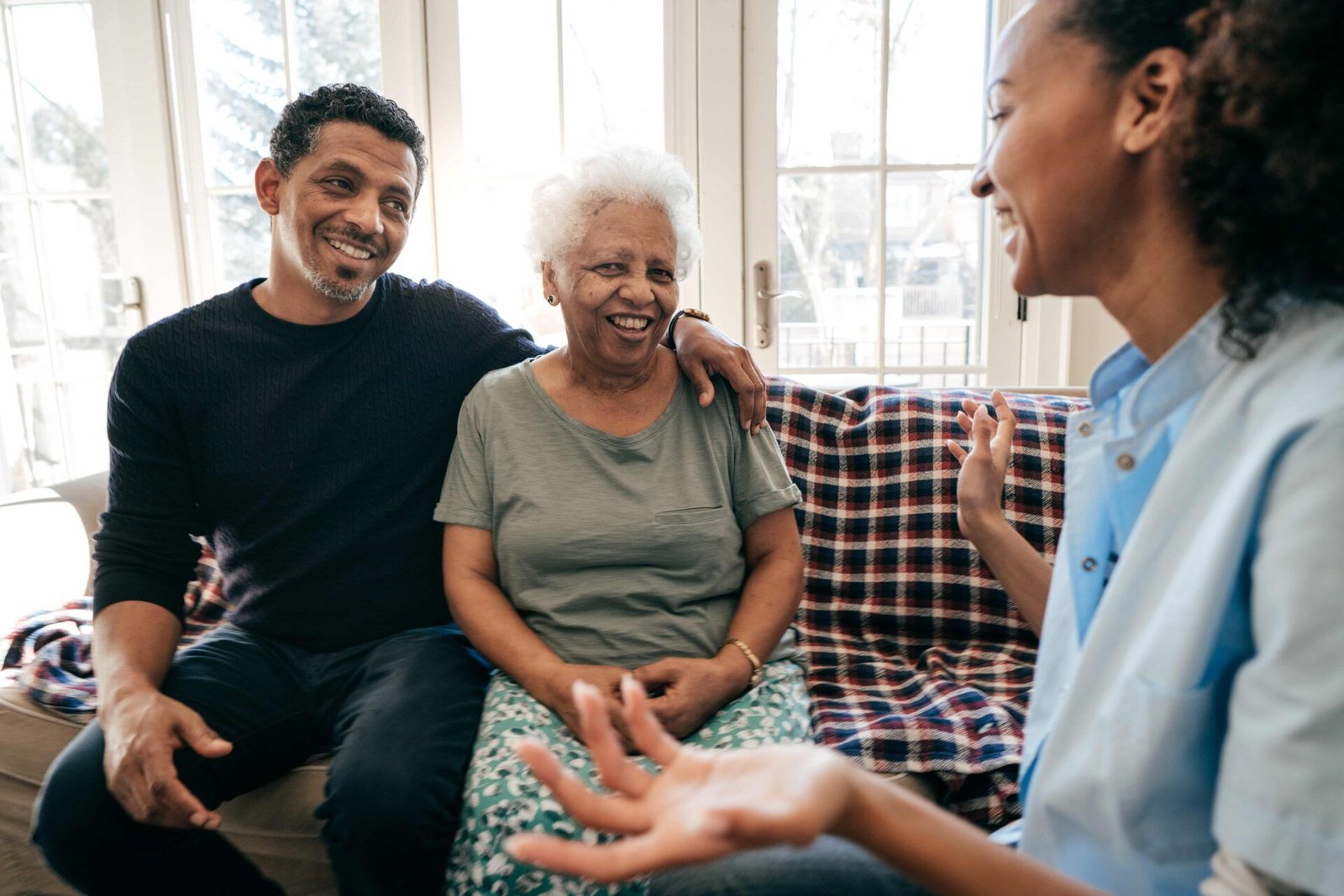
There’s a moment when the question becomes real. Suddenly a parent needs far more help than anyone planned for. Siblings argue. No one has a clean answer. Deciding on professional care for an aging loved one means wrestling with safety, quality of life, and what family connection even looks like after the move. But the benefits aren’t abstract — they’re concrete and specific. Senior living communities offer structured, consistent support that handles both physical needs and the quieter emotional ones. Here’s what actually tips the scale for most families.
Professional Team Members Provide Trained, Consistent Support
These communities hire people who understand the specific health and personal needs of older adults. Not guesswork — actual training. Medication management, mobility assistance, recognizing early health shifts before they spiral into crises. Informal arrangements almost never hold that standard. Coordinating schedules, tracking appointments, arranging transportation — that burden lands on whoever said yes first, and it doesn’t let up. Professional communities run on consistent staffing and established protocols, so support doesn’t hinge on who happens to be available that week. Family members get to show up as family again. Not logistics coordinators.
Professional Communities Address Health Monitoring and Medication Management
Medication errors happen. Missed doses, wrong timing, overlooked interactions — managing all of it at home is genuinely hard. Professional communities run systems built specifically to track schedules, monitor vital signs, and catch problems early. Staff learn to spot warning signs others might miss: a subtle shift in how someone walks, the earliest sign of infection, anything that could slide past a tired family member without medical training. Regular health assessments surface trouble before it compounds. For families whose loved ones live with diabetes, heart disease, or arthritis, that layer of attention matters enormously. Families researching options in central New Jersey may find that Assisted Living in Freehold, NJ offers coordinated health monitoring alongside open communication between staff and physicians, keeping family members informed about any changes in their loved one’s health.
Residents Have Access to Social Connection and Structured Programs
Isolation is a genuine health risk. Not a soft concern — a documented, measurable threat to physical and cognitive health in older adults. Most families can’t realistically provide enough social engagement on their own. Professional communities build it in. Group meals, scheduled programs, community events, entertainment — residents have regular chances to connect with peers and stay engaged. Loneliness and poor health outcomes are tightly linked; that’s not opinion, it’s established. For families juggling demanding jobs or living hours away, knowing their loved one has real friendships and meaningful daily activity isn’t just comfort. It’s a kind of relief they didn’t expect to feel so strongly.
Professional Environments Support Safety and Independence Together
Here’s the tension most families struggle to resolve. Safety matters — but so does autonomy. Older adults don’t want to be managed. Professional communities are designed around both priorities simultaneously. ADA-accessible apartments and common areas cut fall risk without making the place feel like a hospital ward. Staff help with bathing or dressing when needed, then step back — encouraging residents to make their own choices about time and routine. For those living with memory loss, specialized memory care neighborhoods provide appropriate supervision while still protecting dignity. Replicating that balance at home is genuinely hard. It takes resources, physical design, and trained people that most families simply don’t have.
Professional Care Reduces Stress on Family Members
Caregiving burns people out. Even the most devoted family member — acting entirely out of love — eventually hits a wall. When daily care falls to one or two people, the relationship bends under the weight. It strains. The person doing the caregiving starts to slip too. Professional care redistributes that load. Cooking, cleaning, medication management, personal care — trained team members handle it. Family members step back from the caregiver role and return to something simpler: being a child, a grandchild, a spouse. Visits change. People report feeling less anxious, more present, more able to focus on the relationship itself rather than the endless task list behind it.
Conclusion
Choosing professional care isn’t giving up. It’s a decision — often a hard one — made out of genuine concern for someone’s well-being. Trained staff, health monitoring, social programming, thoughtful safety design, structured daily support — most families can’t replicate all of that on their own. Residents maintain dignity. They participate. They get the specific help they actually need. When families get clear on what professional care truly provides, the decision starts feeling less like losing control and more like choosing something real. Touring a community and talking directly with staff is worth doing. It surfaces the right questions — and makes the path forward much easier to see.
