

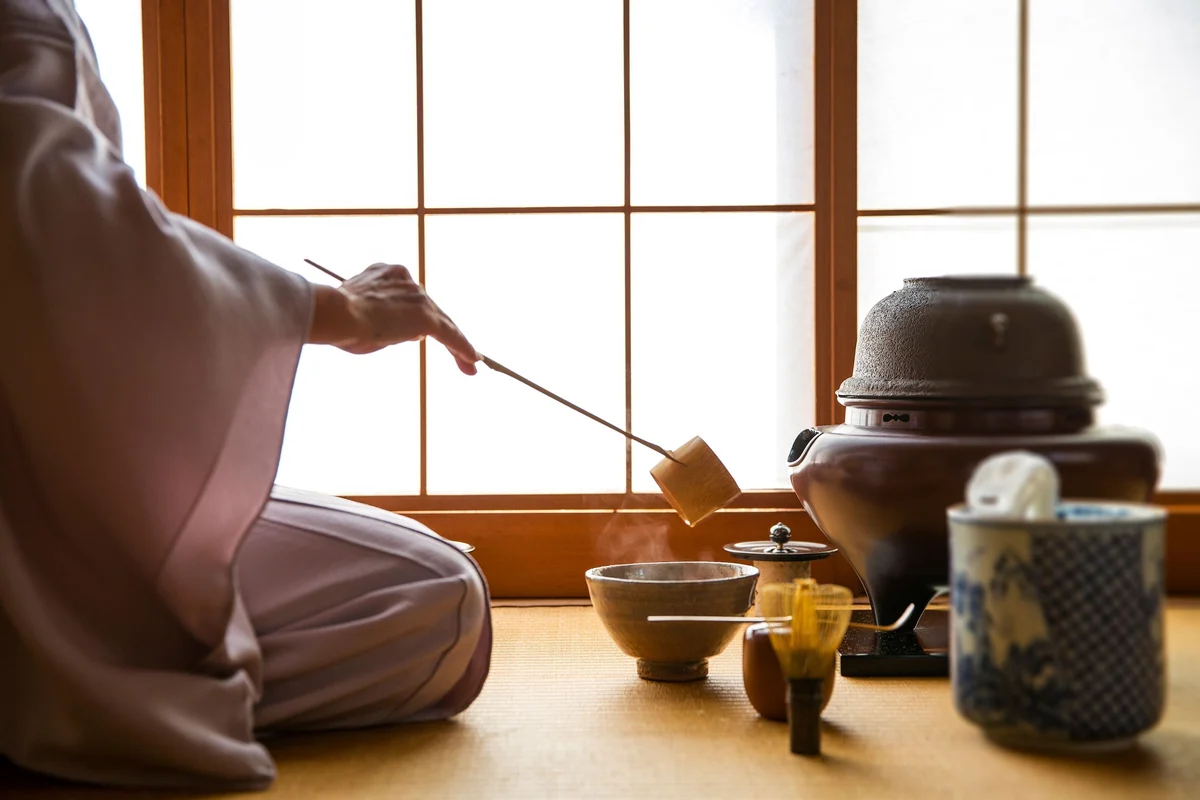
In recent years, the hectic pace of modern life has sparked a renewed interest in traditional practices, leading many to delve into the rich heritage of tea culture. A fascinating trend is the IKKYU Tea Japanese tea revival, which showcases how contemporary lifestyles can harmoniously integrate with age-old traditions.
The Historical Roots of Tea
The history of tea spans several centuries, originating in Asia and slowly seeping into the fabric of various cultures across the globe. Historically, tea has been more than just a beverage; it serves as a ritual and a medium for social interactions. Different regions have developed unique ceremonies and customs revolving around the preparation and consumption of tea, emphasising mindfulness and tranquillity.
Modern-Day Popularity
Today, the world experiences an unprecedented fondness for tea, transcending beyond traditional boundaries to become a global phenomenon. This growing popularity is, in part, a response to the stresses of modern life, as people seek solace in rituals that promote mindfulness and relaxation. Modern consumers are gravitating towards such practices as a form of escapism and self-care.
Integration into Busy Lifestyles
Contrary to what some might believe, traditional tea habits do not necessarily clash with contemporary lifestyles. On the contrary, they often provide a needed respite from the constant connectivity and rush. By adopting these practices, individuals can foster a balanced life, integrating moments of peace into their daily routines. The pursuit of wellness has played a key role in the resurgence of interest in tea practices.
Innovation in Tea Products
The tea market has innovated to cater to a modern audience, offering products that blend conventional practices with contemporary palates. One notable example is vibrant Midori Tea, which exemplifies the fusion of traditional flavour profiles with a modern twist.
Online Platforms and Community Building
The internet has played a crucial role in the revitalisation of tea habits. Online platforms provide access to a vast array of tea types and allow enthusiasts to join communities where they can share experiences and knowledge. By gathering in these digital spaces, people from all over the world can explore tea culture together, transcending geographical boundaries.
The Role of Tea Ceremonies
Tea ceremonies have always been an integral aspect of traditional tea cultures. They serve as a form of art, combining aesthetics with spirituality. Many modern tea lovers adopt these ceremonies to cultivate a sense of presence and appreciation in their lives, integrating a meditative aspect into their busy schedules.
Health Benefits of Traditional Teas
Traditional teas are lauded not only for their rich flavours but also for their health benefits. Varieties such as green, black, and oolong teas are known for their antioxidants and other beneficial compounds. This health-conscious facet appeals to the modern consumer looking for natural ways to support their wellbeing.
The Economic Impact of Tea Revival
The revival of traditional tea habits has a significant economic impact, sparking growth in both local and global tea markets. As more consumers seek authentic and high-quality tea products, there is an increased demand for premium brands, which in turn supports tea farmers and local communities.
Matcha: A Gateway to Tradition
In particular, matcha has become a gateway for many entering the world of traditional tea. Its vibrant colour and distinct flavour make it a favourite among new and seasoned tea drinkers. The preparation of ceremonial Matcha Tea introduces newcomers to the nuances of traditional practices.
Customisation and Personal Preferences
Modern tea drinkers enjoy the ability to customise their tea experience according to personal preferences. Whether it is changing the strength of the brew or adding different flavours, this flexibility allows individuals to create a tea ritual that suits their lifestyle.
Education and Exploration
As part of the tea revival, there is a growing trend in educational initiatives aiming to enlighten consumers about the origins, types, and preparation methods of tea. This educational aspect encourages individuals to explore diverse tea types, contributing to a deeper appreciation of tea heritage.
Eco-Friendliness and Sustainability
The modern emphasis on sustainability has prompted tea enthusiasts to seek out environmentally-friendly options. This trend towards eco-conscious consumption supports sustainable farming practices and environmentally responsible packaging, appealing to the ethics of modern consumers.
The Global Connection Through Tea
Tea acts as a bridge across cultures, connecting people through shared practices and experiences. The global appreciation of tea fosters mutual understanding and collaboration among diverse communities, enhancing cross-cultural interactions in an increasingly interconnected world.
Conclusion
The revitalisation of traditional tea habits in modern times underscores a broader movement towards balancing technological advancement with ancient wisdom. As people increasingly incorporate tea practices into their routines, they carve out spaces for reflection, connection, and cultural appreciation. This blend of old and new ensures that the heritage of tea continues to thrive, enriched by modern innovations.
