

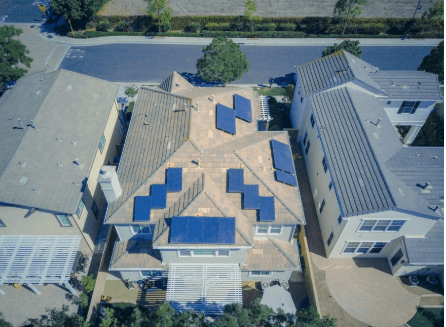
If you’ve noticed more people talking about sustainable homes without giving up comfort, you’re not imagining it. Net-zero luxury homes sit right at that intersection. You get high-end design, advanced technology, and dramatically lower energy use in one package. For you as a buyer, builder, or curious homeowner, the topic matters because energy costs, climate concerns, and long-term property value are all starting to shape what “dream home” really means.
What a net-zero luxury home actually means
A net-zero home produces as much energy as it uses over the course of a year. That doesn’t mean you’ll live in dim lighting, avoid air conditioning, or cook over a campfire. It means the home is designed to be incredibly efficient first, then paired with clean energy systems such as solar panels.
In the luxury market, the standards go higher. You’re looking at premium materials, custom architecture, smart climate control, and serious attention to detail. A true net-zero luxury home isn’t just expensive and energy-conscious. It’s built so every element works together.
That includes:
– High-performance insulation
– Airtight construction
– Triple-pane or advanced windows
– Energy-efficient appliances
– Solar energy generation
– Battery storage in some cases
– Ventilation systems that protect indoor air quality
You’re not buying less house. You’re buying a house that wastes less.
The design features that make the biggest difference
If you’re evaluating a net-zero luxury home, the flashy items can distract you. The real performance wins usually come from what’s behind the walls, above the ceilings, and in the way the home is positioned on the site.
Orientation matters a lot. A home designed to take advantage of natural light and seasonal sun patterns can reduce heating and cooling demand before any technology is added. That’s basic building science, not magic.
Other critical features include:
– Continuous insulation to reduce thermal bridging
– Tight air sealing to prevent conditioned air leaks
– High-efficiency heat pumps for heating and cooling
– Energy recovery ventilators for fresh air without major energy loss
– Water-saving fixtures and efficient hot water systems
– Durable materials that reduce long-term replacement needs
If you’re exploring luxury homes built for net-zero energy, pay attention to whether the design treats efficiency as a core principle, not an afterthought with expensive trim.
Why luxury and sustainability are no longer opposites
For years, “green home” and “luxury home” were treated like different worlds. One sounded practical. The other sounded indulgent. That split is fading fast.
Luxury buyers now expect homes to do more than look impressive in listing photos. You want comfort, privacy, resilience, and lower operating costs. Sustainable design delivers on all four. Better insulation keeps temperatures stable. Advanced glazing cuts glare and heat gain. Smart systems fine-tune lighting and HVAC use without you touching ten switches like a pilot in a cockpit.
There’s also a status shift happening. Energy waste used to be ignored in large homes. Now it can look outdated. A custom property that performs efficiently feels more future-ready than one that burns through power every month.
In other words, the luxury benchmark has moved. Square footage still matters, but performance now sits at the same table.
What you gain beyond lower utility bills
Yes, lower energy bills are a major benefit. Still, if that’s the only thing you focus on, you’ll miss the bigger value.
One of the best perks is comfort. A well-built net-zero home usually maintains more even temperatures from room to room. You’re less likely to deal with freezing corners, overheated upstairs bedrooms, or that one room everyone quietly avoids.
Indoor air quality can also improve. Mechanical ventilation systems filter incoming air and manage humidity more effectively than older homes with random leaks and weak exhaust. If you care about allergies, sleep quality, or just not breathing stale indoor air, that matters.
You also get resilience. Homes with solar and battery systems can offer backup power during outages. In areas with weather swings or grid stress, that’s not a luxury gimmick. That’s practical peace of mind.
The cost question you’re probably already asking
Let’s be honest. Net-zero luxury homes usually cost more upfront than standard homes. Better materials, tighter construction, custom engineering, and clean energy systems aren’t free. The real question is whether the premium gives you lasting value.
In many cases, it does. Lower energy costs add up over time. Durable construction can reduce maintenance issues. High-performance homes may also hold stronger appeal as buyers become more energy-aware.
Still, not every expensive “green” upgrade pays off equally. You should look at:
– Estimated annual energy use
– Solar production capacity
– Maintenance needs for systems
– Local utility rates
– Tax credits or incentives
– Expected lifespan of key equipment
A marble waterfall island is lovely, but it won’t lower your operating costs. The wall assembly might. That’s not glamorous dinner-party talk, though it should be.
How to spot real performance instead of marketing spin
You’ll see plenty of homes described with buzzwords like eco-friendly, high-efficiency, and sustainable. Those terms can mean something meaningful, or almost nothing at all.
Ask for specifics. You want data, certifications, and building details. If a property claims elite energy performance, it should be able to back that up.
Look for things such as:
– HERS rating or similar energy scores
– Solar system size and output estimates
– Airtightness test results
– Insulation values by assembly
– Window performance ratings
– All-electric or low-carbon mechanical systems
– Third-party certifications when available
Also ask who designed the home. Net-zero results rarely happen by accident. They come from teams that understand architecture, engineering, climate conditions, and construction execution.
A home with a few solar panels slapped on top of a leaky envelope is not high performance. It’s just trying very hard in one area while ignoring the rest.
Real-world challenges you should plan for
Net-zero luxury homes are impressive, but they aren’t effortless. Design complexity is higher. The construction team has less room for error. A small mistake in air sealing or system sizing can affect the whole house.
Climate matters too. What works in a mild coastal region may need major adjustments in a cold mountain area or a humid southern market. Material choices, shading strategies, and HVAC design should all reflect local conditions.
You may also face HOA restrictions, permitting questions, or site limitations that affect solar placement and energy goals. If you’re renovating instead of building new, getting to net-zero can be even trickier because older homes often fight back. Quietly. Expensively.
That doesn’t make the goal unrealistic. It means the process needs thoughtful planning, experienced professionals, and a clear understanding of what performance target you’re trying to hit.
How to make a smart move if you want one
Start with your priorities. Do you care most about long-term efficiency, luxury finishes, lower emissions, or energy independence? Knowing that upfront will help you make better trade-offs.
If you’re building, choose an architect and builder with proven net-zero experience. If you’re buying, ask sharper questions than “Does it have solar?” A serious high-performance home should show integrated design, not a patchwork of trendy upgrades.
Keep your checklist practical:
– Review energy modeling early
– Ask about all-electric design options
– Compare envelope performance before aesthetic upgrades
– Evaluate storage and backup power needs
– Check local incentives and code requirements
– Think about resale in a market that values efficiency more each year
The best net-zero luxury home doesn’t just impress you on day one. It keeps performing, stays comfortable, and makes financial sense long after the novelty wears off. That’s the kind of luxury that ages well.
