

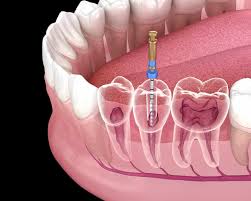
If you’ve never had a root canal treatment, the thought alone can feel intimidating. Many people imagine pain, discomfort, or a lengthy procedure. The truth is, modern dentistry has transformed root canal treatment into a safe, effective, and often pain-free solution for saving your natural tooth. This step-by-step guide is designed for first-time patients, helping you understand the process, what to expect, and why it’s worth considering when dealing with tooth infection or severe decay.
What Is a Root Canal?
A root canal is a dental procedure used to treat infection or inflammation in the soft tissue inside your tooth, known as the pulp. This pulp contains nerves, blood vessels, and connective tissue. When the pulp becomes infected due to deep cavities, cracks, trauma, or repeated dental procedures, it can lead to severe pain or abscesses. Root canal treatment removes the infected pulp, cleans the canals, and seals the tooth to prevent further issues.
Benefits of Root Canal Treatment
- Preserves Your Tooth: Saves the natural tooth, preventing extraction and maintaining your bite alignment.
- Relieves Pain: Eliminates the source of infection, reducing discomfort almost immediately.
- Prevents Spread of Infection: Stops bacteria from reaching surrounding teeth and gums.
- Restores Function: Lets you chew, speak, and smile normally after the procedure.
- Enhances Appearance: Post-treatment crowns restore the tooth’s natural look.
Step 1: Initial Consultation and Diagnosis
The first step involves visiting your dentist for a thorough examination. They may:
- Take X-rays to assess the shape of your root canals and detect infection.
- Ask about your symptoms, including pain, swelling, or sensitivity.
- Discuss treatment options and answer your questions.
Step 2: Numbing the Area
Local anesthesia is applied to ensure the procedure is comfortable and pain-free. Many patients report that the numbing process is the most noticeable sensation, with the procedure itself being relatively painless.
Step 3: Removing the Infected Pulp
Once the area is numb, the dentist creates an opening in the tooth to access the pulp chamber. Using specialized instruments, they carefully remove the infected or inflamed tissue, eliminating the source of pain and infection.
Step 4: Cleaning and Shaping the Root Canals
After removing the pulp, the dentist cleans and shapes the root canals to prepare them for filling. This step is crucial for preventing future infection. The canals are meticulously disinfected, often using antimicrobial solutions.
Step 5: Filling the Canals
The cleaned canals are filled with a biocompatible material called gutta-percha. This material seals the canals and prevents bacteria from entering. In some cases, a temporary filling may be placed until a permanent restoration is applied.
Step 6: Restoring the Tooth
The final step is restoring the tooth’s structure and function. Most patients receive a crown to protect the treated tooth and ensure it functions like a natural tooth. This step also improves aesthetics, so your smile looks seamless.
What to Expect After Treatment
After a root canal, some soreness or sensitivity is normal for a few days. Over-the-counter pain relievers usually manage discomfort. Maintaining good oral hygiene, including brushing, flossing, and regular dental check-ups, helps ensure long-term success.
Common Post-Treatment Tips
- Avoid chewing hard foods on the treated tooth until the permanent restoration is placed.
- Use a soft-bristled toothbrush and avoid aggressive brushing.
- Monitor for swelling or unusual pain, which may indicate a complication and require follow-up.
Debunking Common Myths
Many misconceptions make root canals seem scarier than they are. Here’s the truth:
- Myth: Root canals are extremely painful.
Fact: Modern anesthesia and techniques make the procedure comfortable. - Myth: Extraction is better than a root canal.
Fact: Preserving your natural tooth is generally better for oral health. - Myth: Recovery takes weeks.
Fact: Most patients resume normal activities within a day or two.
Why Early Intervention Matters
Delaying treatment can lead to worsened infection, abscess formation, and eventual tooth loss. Early intervention saves you from prolonged pain, reduces treatment complexity, and often lowers costs. Trusted clinics like Nuffield Dental combine expert knowledge, modern technology, and patient-focused care to ensure a smooth, effective root canal experience.
Your First Root Canal: What You Need to Know
Knowing what to expect can reduce anxiety:
- The procedure is typically completed in one or two sessions.
- Local anesthesia ensures comfort throughout.
- Post-procedure pain is mild and manageable.
- Proper restoration ensures the treated tooth lasts for years.
Friendly Advice for First-Time Patients
Consider bringing headphones or a stress-relief item to your appointment to help you relax. Ask your dentist any questions, no matter how small—they’re there to make the experience as smooth as possible. Remember, saving your natural tooth is a valuable investment in your long-term oral health.
FAQs About Root Canal Treatment
1. How long does a root canal take?
Most treatments take 60–90 minutes, depending on the complexity of the tooth and the infection.
2. Will I need a crown after a root canal?
Yes, most treated teeth require a crown to restore strength, function, and appearance.
3. Is root canal treatment safe?
Absolutely. It’s a common, safe procedure performed by trained dental professionals.
4. Can I eat normally after a root canal?
Once anesthesia wears off, you can eat normally. Avoid hard or sticky foods until the crown is placed.
5. How long does a treated tooth last?
With proper care, a root canal-treated tooth can last a lifetime. Regular dental check-ups and good oral hygiene are essential.
