

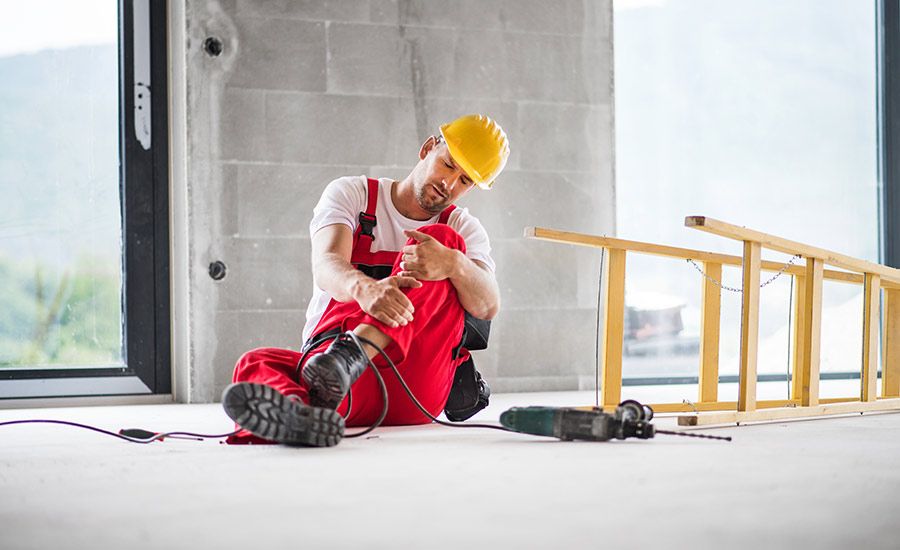
Contractors are often hired to repair, improve, clean, renovate, or maintain a property. Their work may be necessary, but it can also create new dangers when safety is treated as an afterthought.
A visitor, tenant, shopper, or worker may suffer serious injuries because a contractor left behind a slick surface, uneven flooring, loose debris, or an unmarked work zone. In these situations, a New York slip and fall lawyer may help determine whether the contractor, property owner, manager, or another party can be held responsible.
The Hidden Risk of “Almost Finished” Work
Many slip-and-fall hazards appear when a project is nearly done but not fully safe. A contractor may remove major tools and equipment but leave behind dust, adhesive, water, plastic coverings, uneven patches, loose flooring, or other conditions that still make the area dangerous for foot traffic.
This stage can be especially risky because the space may look usable to the public. A hallway, lobby, store aisle, stairway, or sidewalk may be reopened before it is truly safe. When people are allowed to walk through an unfinished or poorly completed area, they may not realize that the surface beneath them is unstable, slippery, or uneven.
When Repairs Create a New Problem
A repair is supposed to fix a dangerous condition, not replace it with another one. However, careless contractor work can leave a walking surface uneven, slick, unstable, or poorly secured. A patched floor may rise above the surrounding surface, a replaced tile may sit loose, or a repaired stair tread may shift when stepped on.
These problems can be difficult for visitors to notice. People usually assume that repaired areas are safe to use, especially when there are no barriers or warnings. If the contractor failed to complete the work correctly, or if the property owner allowed a defective repair to remain open to the public, the resulting fall may raise serious liability questions.
Materials Left Behind in Walkways
Contractors often use cords, buckets, ladders, boards, plastic sheets, cleaning products, tools, and construction materials while working. These items can become slip-and-fall or trip-and-fall hazards when they are left in hallways, entrances, stairwells, parking areas, sidewalks, or other places where people are expected to walk.
Even a small object can cause a serious fall if it appears where a person does not expect it. A tenant may be carrying groceries, a shopper may be looking toward a shelf, or a visitor may be walking through a narrow passage. Contractors must consider how their materials affect people moving around the work area, not just the task they were hired to complete.
Slippery Residue After Cleaning or Maintenance
Some contractor-related falls happen after cleaning, waxing, polishing, painting, sealing, or floor treatment. A surface may look dry but still be slick because of residue, moisture, chemicals, or improper application. This can be especially dangerous in apartment lobbies, stores, offices, hospitals, hotels, and other high-traffic properties.
If a contractor applies a product that makes the floor unsafe, proper drying time, ventilation, cleanup, and warnings may be necessary. The area may need cones, signs, temporary closures, or an alternate route until the surface is safe. When a contractor rushes the job or ignores product instructions, routine maintenance can become the reason someone is seriously injured.
Poorly Marked Work Zones
A work zone should be clear before someone reaches the danger. If caution tape, cones, signs, or barriers are missing, hard to see, or placed in the wrong location, people may walk directly into an unsafe area without understanding the risk. A warning that appears only after the hazard is already underfoot may not be meaningful.
A sign alone may also be insufficient when the danger is serious. A wet stairway, open floor section, torn-up sidewalk, loose tile, or exposed cable may require a physical barrier or complete closure. The warning should match the level of risk. Simply placing one small sign nearby does not always show that reasonable safety steps were taken.
Sorting Out Who Controlled the Area
Contractor-related slip-and-fall cases often involve more than one possible responsible party. The contractor may have created the hazard, but the property owner or manager may have controlled the area where the accident happened. A tenant, cleaning company, subcontractor, or maintenance provider may also have played a role.
This matters because both creation and control can affect liability. A building owner may be responsible for allowing people to use a dangerous area, while a contractor may be responsible for leaving the hazard behind. In some cases, several parties may blame one another, making it important to understand who performed the work, who supervised it, and who had authority to restrict access.
Why the Paper Trail Can Matter
Work orders, invoices, service agreements, maintenance logs, inspection reports, emails, texts, and complaint records can help explain what the contractor was hired to do. These documents may show when the work started, when it ended, what safety measures were required, and whether anyone reported a problem before the accident.
Other evidence may include photographs, surveillance footage, witness statements, incident reports, and medical records. Because hazards may be cleaned, repaired, or covered up quickly, early documentation can be critical. The more clearly the evidence shows the condition of the property at the time of the fall, the harder it may be for the responsible parties to deny what happened.
How Notice Can Shape the Claim
Notice is often a key issue in slip-and-fall cases. If a contractor created the hazard, the question may focus on whether the contractor knew or should have known that its work left the area unsafe. If the property owner knew about the contractor’s careless work and allowed people to keep using the area, the owner’s knowledge may also become important.
Notice can be shown in different ways. A manager may have walked past the hazard, a tenant may have complained, a worker may have reported that the floor was still wet, or a prior incident may have happened in the same location. When warning signs were ignored, the case may become stronger.
The Injuries Can Be More Serious Than Expected
A contractor-created hazard can cause injuries that last for weeks, months, or longer. These may include:
- Broken bones
- Knee or shoulder injuries
- Wrist fractures
- Back pain
- Head trauma
- Hip injuries
- Soft tissue damage
- Limited mobility
Some injuries may require imaging, physical therapy, injections, surgery, or time away from work. Medical records can help connect the fall to the injury and show how it affected daily life.
Looking Beyond the Fall Itself
When a contractor’s careless work causes a slip-and-fall hazard, the accident may involve more than a single mistake. It may reveal poor planning, rushed work, weak supervision, inadequate warnings, or a failure to coordinate safety between the contractor and property owner.
Understanding what happened requires looking at the work area, the timeline, the documents, and the people responsible for keeping the property safe. If the hazard could have been prevented with reasonable care, the injured person may have grounds to pursue accountability from the parties whose actions allowed the danger to remain.
