

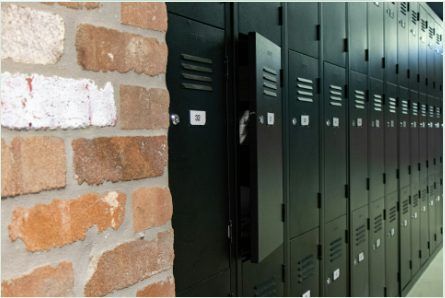
Procurement teams are paying closer attention to workplace storage than they did a few years ago. Lockers are no longer viewed as simple metal boxes lined against a wall. In offices, schools, gyms, warehouses, and industrial sites, storage systems now affect workflow, security, hygiene, and even employee satisfaction.
That shift has changed how businesses evaluate suppliers. A modern locker company is expected to provide more than basic storage. Buyers now want durable materials, flexible layouts, smart access systems, and long-term value before signing a purchase order.
Durability Comes First
One of the first things procurement managers check is construction quality. Cheap lockers may lower upfront spending, but they often create maintenance problems later. Businesses usually examine:
- Steel gauge thickness
- Reinforced hinges
- Rust-resistant coatings
- Moisture-resistant materials
- Long-term warranty coverage
This is even more important in humid or high-traffic environments. Gyms, workshops, and staff changing rooms place heavy daily stress on storage systems. Many companies now compare metal, HDPE, and PVC options depending on how the lockers will be used.
For example, some school lockers installed in athletic facilities need antimicrobial coatings and ventilation to reduce odor and bacteria buildup. Industrial spaces may require impact-resistant materials that can handle tools, uniforms, and equipment.
Smart Features are Becoming Standard
Technology is now part of the buying process. Procurement departments increasingly prefer lockers that support digital access and remote management. Features gaining attention include:
- RFID badge access
- Mobile app entry
- QR code systems
- Electronic audit trails
- Asset charging stations
- Usage analytics
In hybrid workplaces, dynamic locker systems are becoming common. Employees can reserve temporary lockers instead of having permanent assignments. That helps companies reduce the total number of units they need while using office space more efficiently. This is one reason many buyers research suppliers like SchoolLockers when comparing commercial storage systems and lockers for sale across different industries.
Procurement Teams Look Beyond Purchase Price
Price still matters, but experienced buyers focus more on total cost over time. A locker company that offers low pricing but weak customer support often creates larger expenses later through repairs, delayed replacement parts, or installation issues. Procurement teams usually review:
- Installation support
- Delivery timelines
- Replacement part availability
- Energy efficiency
- Maintenance requirements
- Technical support responsiveness
Some organizations also evaluate a supplier’s selection of new and used lockers to balance budget limits with expansion plans. In schools and municipal projects, used school locker collections can help reduce capital spending while still meeting operational needs.
Flexibility is More Important Than Ever
Modern workplaces often experience quick changes due to CEO decisions, and other factors, which is why storage systems need to adapt with those changes. That’s why modular locker systems are becoming popular because businesses can expand capacity without replacing an entire setup. Adjustable compartment sizes are also useful in workplaces where employees store different types of equipment.
Many buyers also want suppliers that operate as a full store for cubbies lockers and storage cabinets instead of selling only one locker style. Procurement teams prefer vendors that can support multiple departments and facility types under one purchasing relationship. Customization has become another deciding factor, so companies often request:
- Specific color schemes
- Quiet-close doors
- Sloped tops for easier cleaning
- Charging compartments
- Ventilation options
- Branded locker finishes
Endnote
Commercial locker procurement has become a much more strategic process. Businesses now view storage systems as part of workplace organization, employee experience, and long-term operational planning.
That means procurement teams are asking tougher questions before choosing a supplier. They want durability, flexible designs, reliable support, and technology that fits modern work environments.
