
Close Menu
CEOColumnCEOColumn
    What's Hot

    LinkedIn Premium vs Lessie AI: What $29.99 to $835 a Month Actually Buys You

    June 11, 2026

    9 New Game Platform Upgrades Enhancing Sports Gaming and Mobile Access This Season

    June 10, 2026

    How to Bind a Dedicated RoxyBrowser Node in Telegram to Stop Forced Logouts from Distributed Teams

    June 10, 2026
    Facebook X (Twitter) Instagram
    Facebook X (Twitter) Instagram
    CEOColumnCEOColumn
    Subscribe
    • Home
    • News
    • BLOGS
      1. Health
      2. Lifestyle
      3. Travel
      4. Tips & guide
      5. View All

      How Fault Is Determined in Idaho Falls Personal Injury Cases

      June 9, 2026

      5 Tips for Employees Who Think They Are Being Treated Unfairly

      June 9, 2026

      Workplace Drug Testing in 2026: Why the Changing Drug Landscape Demands a Better Strategy

      June 8, 2026

      UTI Treatment Online: How Telehealth Has Changed Access to One of the Most Common Infections

      June 8, 2026

      Why You Should Focus On Reducing Household Stress Instead Of Increasing Productivity

      June 8, 2026

      Why Laser Hair Removal is the Future of Effective Hair Reduction Techniques

      June 4, 2026

      Complete Layering Guide: Pairing The Best Volumizing Shampoo With Products For All-Day Lift

      June 4, 2026

      How F.O.X Nails USA Continues to Dominate the Manicure Market: Advantages of Niche Specialization

      June 4, 2026

      Top 10 Lakes in the U.S. for Your Next Vacation 

      June 3, 2026

      Why Kids Remember Family Trips More Than Expensive Gifts

      June 3, 2026

      Why Pigeon Forge Is One of the Best Road Trip Destinations in the South

      June 3, 2026

      Planning a Holiday That Blends Relaxation and Adventure

      June 3, 2026

      Microsoft Dynamics 365 and Zoho CRM: Empowering Modern Customer Relationship Management

      June 4, 2026

      6 Best Online Audio Editing Software for Cutting and Polishing Your Audio

      May 30, 2026

      How to Diversify and Simplify Records Faster Using HRIS Tools

      May 18, 2026

      Nighttime Skincare Routine: 5 Steps to Unlock Your Skin’s Overnight Regeneration

      May 4, 2026

      LinkedIn Premium vs Lessie AI: What $29.99 to $835 a Month Actually Buys You

      June 11, 2026

      9 New Game Platform Upgrades Enhancing Sports Gaming and Mobile Access This Season

      June 10, 2026

      How to Bind a Dedicated RoxyBrowser Node in Telegram to Stop Forced Logouts from Distributed Teams

      June 10, 2026

      The Homeowner’s Guide to Preventing Roof Rot

      June 10, 2026
    • BUSINESS
      • OFFLINE BUSINESS
      • ONLINE BUSINESS
    • PROFILES
      • ENTREPRENEUR
      • HIGHEST PAID
      • RICHEST
      • WOMEN ENTREPRENEURS
    CEOColumnCEOColumn
    Home»All Others»How Earnings-Based Stock Graphs Reveal Whether A Stock Is Truly Overvalued

    How Earnings-Based Stock Graphs Reveal Whether A Stock Is Truly Overvalued

    OliviaBy OliviaJune 10, 2026No Comments5 Mins Read

    Price alone tells you what the market charges. It doesn’t tell you whether that charge is justified. A stock trading at its all-time high might be fairly valued or wildly overpriced. One sitting near a 52-week low might be cheap or cheap for a reason. Without an earnings reference, you’re guessing.

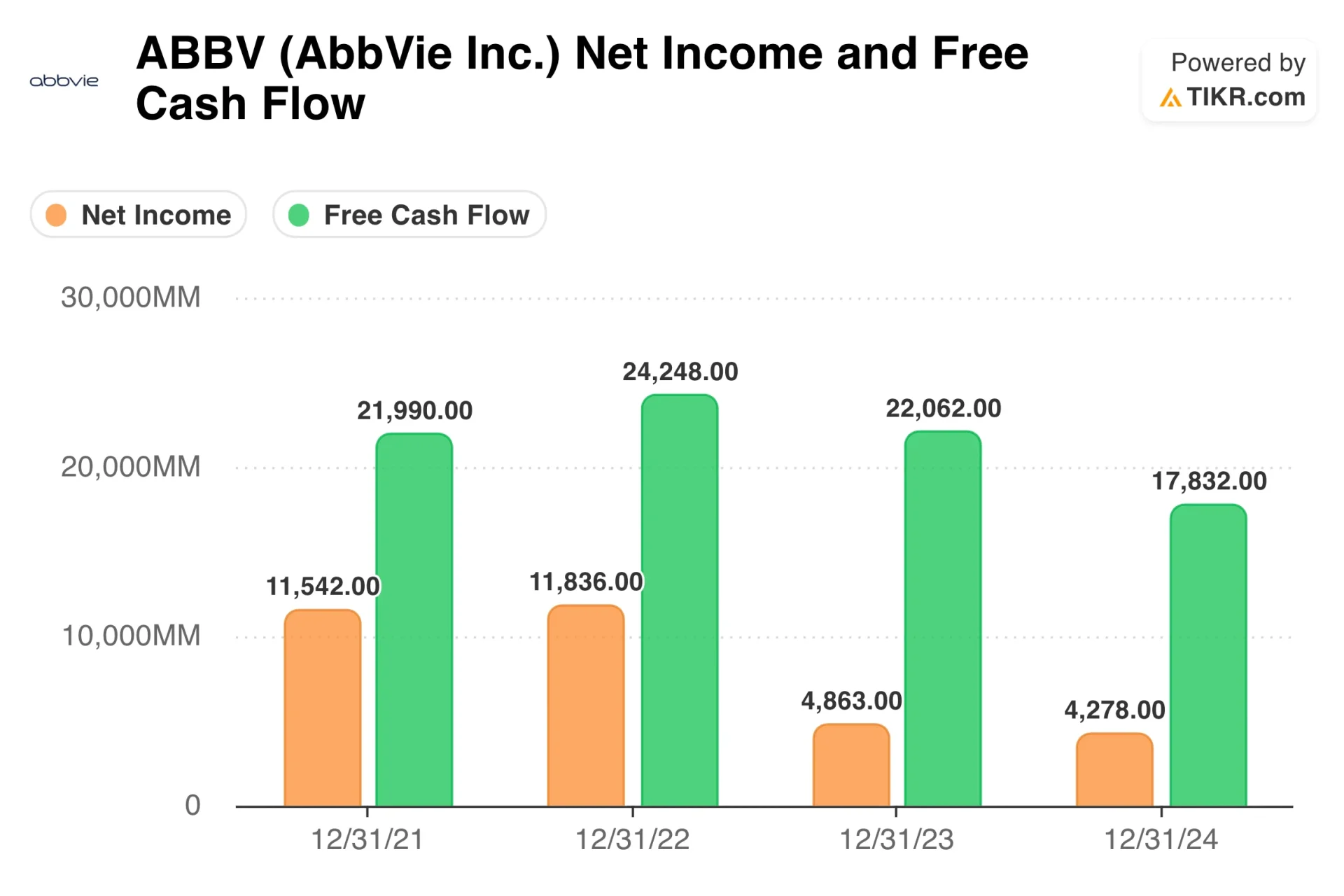
    Earnings-based stock graphs solve this by plotting price against the earnings that support it. When the two move together, valuation is grounded. When price runs ahead of earnings, the graph makes the disconnect visible in a way spreadsheet numbers rarely achieve.

    Table of Contents

    Toggle
    • Why Price-Only Charts Create a Dangerous Blind Spot
    • How Earnings Overlays Transform What a Stock Graph Communicates
    • Spotting Overvaluation Before the Market Corrects It
    • What Undervaluation Looks Like Through the Same Lens
    • Why This Approach Belongs Early in Your Evaluation Process
    • Conclusion

    Why Price-Only Charts Create a Dangerous Blind Spot

    Traditional charts display price over time. Useful for trends, patterns, and momentum. But price, in isolation, carries a critical limitation: it reveals nothing about whether the underlying business justifies the current level.

    A stock that doubled in two years looks impressive on a price chart. But if earnings grew 120% over that stretch, the stock actually got cheaper despite the price increase. The PE ratio compressed even as the share price climbed. Without an earnings context, the chart makes the position look dangerously extended, when valuation reality tells a different story.

    The reverse is equally misleading. A stock flat for 18 months might appear stable. But if earnings declined 25%, the flat price represents significant valuation expansion; the market now pays more for less. The business generates less while the market charges the same. A price-only chart would never flag this. Earnings-based stock graphs would catch it immediately.

    How Earnings Overlays Transform What a Stock Graph Communicates

    The concept behind earnings-based stock graphs is straightforward. Plot price and earnings per share on the same timeline. Some models add a fair value line derived from historical PE norms or growth-adjusted benchmarks. The relationship between the actual price and the earnings reference becomes the core analysis.

    When price tracks the earnings line, the stock trades near what fundamentals justify. When price sits meaningfully above, the market pays a premium that may or may not be warranted. When the price dips below, the business is being discounted relative to what it earns.

    This changes how you assess valuation. Instead of deciding whether a PE of 22 is expensive in the abstract, you see how today’s PE relates to the company’s earnings trajectory.

    Spotting Overvaluation Before the Market Corrects It

    Overvaluation on earnings-based stock graphs looks like a specific pattern: price climbing while earnings flatten or slow. The gap widens. The wider it gets, the more the current price relies on expectations rather than performance.

    Some premium is justified. A company growing earnings at 25% annually deserves to trade above a simple fair value line. The question is how much premium, and that depends on growth reliability and the sector’s typical range.

    A PE of 28 on a company growing at 25% with consistent execution might justify the gap. That same PE on a company growing at 8% with volatile earnings creates a disconnect that history suggests rarely persists. Earnings-based stock graphs make this distinction visible.

    The most dangerous situations occur when price expands against flat or declining earnings. The chart still looks fine, the price is high, maybe rising. But the earnings line tells a different story. That divergence eventually resolves downward.

    What Undervaluation Looks Like Through the Same Lens

    The same framework works in reverse. When price drops below the earnings reference or compresses close to it after a selloff, while earnings remain intact, the market may be underpricing what the business produces.

    This happened broadly during March 2020. Earnings estimates fell, but for many quality businesses, the actual impact proved temporary. Investors who saw the gap between depressed prices and functional earnings trajectories on their stock graphs identified entry points that delivered substantial returns over the following year. The earnings line held. The price line eventually followed it back up.

    Not every dip below the earnings line is an opportunity. If earnings genuinely deteriorate, a compressed price may simply be the market catching up to a reality the stock once obscured. The distinction between temporary dislocation and justified repricing is what separates useful signals from traps.

    Signal What the Graph Shows What It Suggests
    Price far above the earnings line Widening gap, premium expanding Potential overvaluation premium may not be justified
    Price tracking earnings line Lines moving together Fair valuation price reflects current fundamentals
    Price below the earnings line Compressed gap or inversion Potential undervaluation if the earnings trajectory holds

    Why This Approach Belongs Early in Your Evaluation Process

    Earnings-based stock graphs should precede detailed technical analysis, not follow it. They answer a question that candlestick patterns and momentum indicators cannot: is the current price reasonable given what this business actually earns?

    Starting here prevents a common mistake, falling in love with a story or chart pattern while ignoring that the price has disconnected from earnings reality. It also prevents the opposite error: avoiding a stock that looks expensive on surface metrics but is actually tracking its earnings growth appropriately.

    The investors who consistently spot overvaluation before corrections share one habit. They check what price is doing relative to earnings before they check anything else. They understand that stock graphs anchored to earnings data provide a fundamentally different and more reliable starting point than price-only charts. Everything after that builds on a valuation foundation, which this approach establishes first.

    Conclusion

    Price without earnings context is noise dressed as information. Earnings-based stock graphs strip away that noise by anchoring valuation to what a business actually produces. Overvaluation becomes visible when the price detaches from the earnings line. Undervaluation reveals itself when the market discounts a trajectory that remains fundamentally intact.

    This isn’t a predictive tool. Markets can stay disconnected from earnings far longer than most investors expect. But the pattern of reversion price eventually returning toward earnings reality has repeated consistently enough across cycles that ignoring it means ignoring one of the most reliable signals available.

    Share. Facebook Twitter Pinterest LinkedIn Tumblr Telegram Email
    Previous Article9 New Game Platform Upgrades Enhancing Sports Gaming and Mobile Access This Season
    Next Article LinkedIn Premium vs Lessie AI: What $29.99 to $835 a Month Actually Buys You
    Olivia

    Olivia is a contributing writer at CEOColumn.com, where she explores leadership strategies, business innovation, and entrepreneurial insights shaping today’s corporate world. With a background in business journalism and a passion for executive storytelling, Olivia delivers sharp, thought-provoking content that inspires CEOs, founders, and aspiring leaders alike. When she’s not writing, Olivia enjoys analyzing emerging business trends and mentoring young professionals in the startup ecosystem.

    Related Posts

    The Business Model Behind Online Casino Games

    June 8, 2026

    IPL 2026 Schedule & Match Guide: Everything Cricket Fans Need in One Place

    June 7, 2026

    Explaining the Legality of Online Games  

    June 6, 2026
    Add A Comment
    Leave A Reply Cancel Reply

    You must be logged in to post a comment.

    Latest Posts

    LinkedIn Premium vs Lessie AI: What $29.99 to $835 a Month Actually Buys You

    June 11, 2026

    9 New Game Platform Upgrades Enhancing Sports Gaming and Mobile Access This Season

    June 10, 2026

    How to Bind a Dedicated RoxyBrowser Node in Telegram to Stop Forced Logouts from Distributed Teams

    June 10, 2026

    What Makes Residents Happy? Tips for Modern Property Managers

    June 10, 2026

    Siddhant Chaturvedi Height: Age, Net Worth & Bio 2026

    June 10, 2026

    Natasha Dalal Height in Feet: Age, Net Worth & Bio 2026

    June 10, 2026

    Pranjal Dahiya Wikipedia: Age, Net Worth, Career & More 2026

    June 10, 2026

    Why Singapore’s Top Executives No Longer Leave Ground Transport to Chance

    June 10, 2026

    The Homeowner’s Guide to Preventing Roof Rot

    June 10, 2026

    The CEO’s Playbook: AI Voice Agent Platforms for Supply Chain Disruption Response

    June 9, 2026
    Recent Posts
    • LinkedIn Premium vs Lessie AI: What $29.99 to $835 a Month Actually Buys You June 11, 2026
    • 9 New Game Platform Upgrades Enhancing Sports Gaming and Mobile Access This Season June 10, 2026
    • How to Bind a Dedicated RoxyBrowser Node in Telegram to Stop Forced Logouts from Distributed Teams June 10, 2026
    • What Makes Residents Happy? Tips for Modern Property Managers June 10, 2026
    • Siddhant Chaturvedi Height: Age, Net Worth & Bio 2026 June 10, 2026

    Your source for the serious news. CEO Column - We Talk Money, Business & Entrepreneurship. Visit our main page for more demos.

    We're social. Connect with us:
    |
    Email: [email protected]

    Facebook X (Twitter) Instagram Pinterest LinkedIn WhatsApp
    Top Insights

    LinkedIn Premium vs Lessie AI: What $29.99 to $835 a Month Actually Buys You

    June 11, 2026

    9 New Game Platform Upgrades Enhancing Sports Gaming and Mobile Access This Season

    June 10, 2026

    How to Bind a Dedicated RoxyBrowser Node in Telegram to Stop Forced Logouts from Distributed Teams

    June 10, 2026
    © Copyright 2025, All Rights Reserved
    • Home
    • Pricacy Policy
    • Contact Us

    Type above and press Enter to search. Press Esc to cancel.

    Go to mobile version