

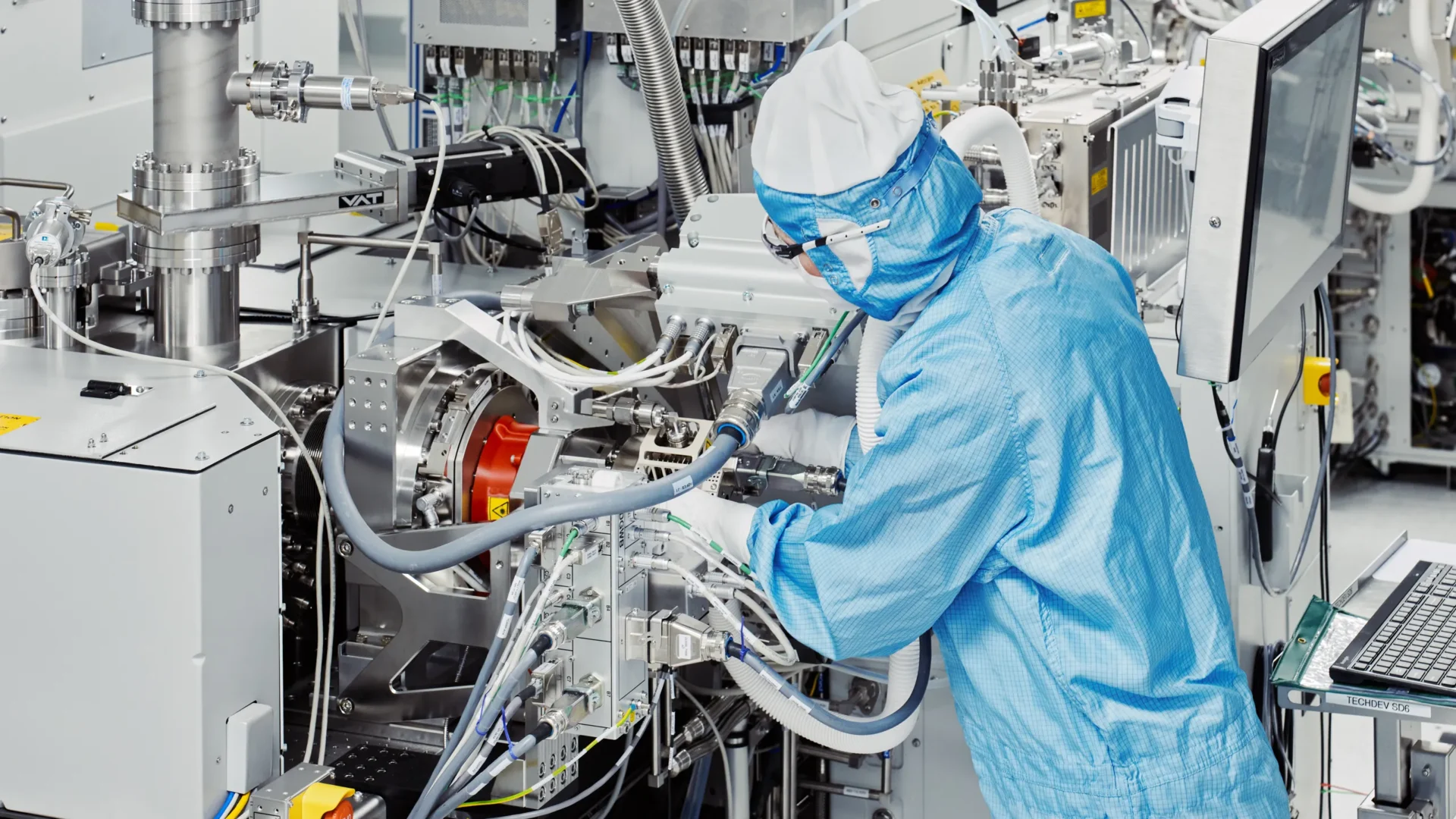
Modern manufacturing depends on materials that most consumers never see but that make some of the world’s most advanced technologies possible. High-performance products, whether it be an aerospace engine or semiconductor equipment, electric vehicle battery, or a renewable energy system, start with a well-chosen raw material. Before these materials are incorporated into a finished part, they have to respond to rigorous demands regarding purity, strength, uniformity, and performance.
The specialty materials business is in the middle of making this possible. The companies in this space supply, refine, test and issue materials that are used in a particular industrial use. A stable metal powder supplier, such as, assists manufacturers to obtain precisely controlled metal powders in sophisticated production procedures, such as, additive manufacturing and powder metallurgy. These businesses tend to be in the background but their efforts directly affect the quality of manufacturing, production cycle and the dependability of final goods.
What Is the Specialty Materials Industry?
The specialty materials business specializes in those materials that have been engineered or fabricated to fit particular technical needs and not in generalized purposes. In contrast to traditional industrial products, specialty materials are commonly characterized by chemical composition, particle size, purity levels, physical properties, and behavior at extreme conditions.
The industry contains a wide variety of products, including:
– Pure metals and metal alloys.
– Additive manufacturing metal powders.
– Industrial compounds, and specialty chemicals.
– Hi-tech ceramics and innovative materials.
– Critical minerals and rare earth elements.
– Semiconductor materials.
– Defense and aerospace high-performance materials.
All categories have their purposes, yet they have one aspect in common that minor changes in the quality of materials can influence the functionality of the end product.
To give an example, a manufacturer of aerospace parts might need an alloy that does not lose its mechanical characteristics in high temperatures. A semiconductor company might require unusually clean materials to allow it to avoid contamination in delicate manufacturing. These needs drive suppliers that have specialized knowledge, have strong sourcing networks and are good quality-controllers.
The Importance of High-Purity Materials
One of the most significant factors of advanced manufacturing is purity. Even in a simple inspection, a material that would seem appropriate in a particular industry might be having impurities or irregularities that render the material unfit to perform its job.
A good example can be given in semiconductor manufacturing. The chips of today are very tiny in nature, and any slight pollution may disrupt electrical functionality or decrease production outputs. The materials which are utilized in the manufacture of semiconductors must thus be highly specific and commonly, trace levels of impurity limits.
The aerospace industry is no exception as its demands are usually aimed at mechanical performance, durability, and an ability to withstand the extreme conditions of operation. The materials that are utilized in aviation engines, satellites, and spacecrafts have to be able to work well even when they are subjected to heat, pressure, vibration, and other environmental stresses.
The powders employed in advanced manufacturing of metals should also be controlled carefully. The influence of particle size distribution, shape, flowability, density, and chemical composition may affect the behaviour of a powder during processing. These properties, in additive manufacturing, influence the formation of layers, melting behavior and structural integrity of completed components.
That is why the suppliers of specialty materials invest a lot in testing, documentation, and control of the processes. It is not enough to deliver a material which meets a general description of the industry. It has to meet the specific technical needs of the customer.
How Materials Are Qualified for Demanding Applications
The procedure of material qualification is a complex one that determines the suitability of a given material in a given manufacturing process. It is usually a series of steps whereby technical specifications are used as a starting point and documented approval as the final point.
- Defining Technical Requirements
Manufacturers determine the properties they require in the use of a material before sourcing a material. This can be chemical composition, tensile strength, hardness, thermal stability, electrical conductivity, corrosion resistance or particle size.
The more challenging the application, the more intricate are these requirements.
- Chemical Composition and Purity Tests
Laboratory analysis is used to check the compliance of material with the demanded chemical specifications. Testing can determine the presence of trace impurities, determine alloy composition, or determine the concentrations of specific elements depending on the material.
Widespread analysis techniques are spectroscopy, chemical analysis, and other laboratory methods.
- Evaluating Physical and Mechanical Properties
The chemical composition does not determine whether a material will do as desired. Other physical properties that manufacturers can consider include density, particle morphology, flow behaviour, mechanical strength, thermal behaviour, and others.
Particle-size evaluation and morphology examination are especially critical in the case of metal powders since it affects processing operations.
- Documentation and Traceability Review
The industrial purchaser must be assured that he is getting the same material that has been tested and approved. This connection is achieved through certificates of analysis, inspection reports, batch identification and traceability records.
In more regulated industries like aerospace or defense, documentation is of particular importance since it may be required that materials meet formal industry or customer-specific requirements.
- Conducting Production Trials
And in certain uses, the work of the laboratory is just the start. Manufacturers might require testing of materials under real production conditions before finalizing the approval.
The trials are useful in identifying problems during the processing, in assuring performance, and in establishing whether the material can be utilized at the same rate at commercial levels of production.
Qualification may be very time-consuming but minimizes the chances of production failures, expensive rework, and unreliable completed products.
Why Lead Times and Consistency Are Critical
Supply chains of specialty materials do not work in the same manner as most traditional purchasing environments. Buyers cannot necessarily substitute one material using another just because it has a similar nomenclature or general specification.
A qualified material can be produced by a small number of manufacturers, special processing, or rely on raw materials obtained in specific areas. This may result in an unpredictable availability, particularly during a rise in demand or when the transportation networks are disrupted.
Long lead times create several operational challenges.
Manufacturers have to make purchases far ahead of time, keep the proper level of inventory and organize the supply of materials with production. When a critical material is delayed, then the effects may not be limited to one order that is delayed. It could cause equipment to go unused, missed production goals, and even customer delivery.
It is also important to be consistent. When a supplier provides a high quality of material today but the following day, the quality becomes poor, the buyer incurs extra expenses. All variations can imply new testing, process re-modeling, or even re-qualification.
Because of this reason, industrial buying departments tend to consider suppliers beyond the price. Long-term supplier relationships are affected by reliability, technical support, quality systems, production capacity, and even communication.
The Role of Specialty Materials in Emerging Industries
The specialty materials industry has grown in line with technology. Industries which previously depended on relatively traditional materials are increasingly demanding more sophisticated versions which can sustain more challenging performance requirements.
– Aerospace and Defense
The aerospace and defense manufacturers require materials that are able to withstand the harsh conditions of the operating environments and yet they are lightweight, durable and reliable.
The alloys are advanced, specialty metals, and engineered powders which find application in turbine components, structural parts as well as specialized equipment. Additive manufacturing has also opened up the possibilities of making complex geometries that could be challenging or costly to make using traditional manufacturing.
The defense supply chains put extra focus on security, traceability and reliable domestic sourcing. Materials should be of exact specifications and be able to endure long production and maintenance cycles.
– Clean energy and electric vehicles
The shift to clean energy technologies is posing a high demand for specialized materials.
Batteries in electric vehicles rely on materials that are carefully managed such as lithium, nickel, cobalt, graphite, and other materials. Their quality and availability may affect the performance of batteries, their manufacturing effectiveness, and the general manufacturing costs.
Wind turbines, solar panels, hydrogen systems and energy storage technologies also demand materials that have certain electrical, chemical and mechanical properties.
With the increased clean energy infrastructure, the suppliers of materials are under increased pressure to sustain increased production volumes at the expense of quality.
– Semiconductors and Electronics
The semiconductor industry relies on highly regulated materials and manufacturing conditions. High technology electronics demand specialty chemicals, pure metals, designed substrates and materials that are of high technical specification.
The more complicated a chip is, the more it has material demands. Manufacturers have to regulate contamination, consistency and ensure that all the inputs in production work as anticipated.
This opens up possibilities to suppliers who can provide highly specialized materials with quality documentation.
– Advanced Manufacturing and Additive Production
Additive manufacturing has transformed the design and manufacture of many industrial components. Rather than machining material off a bigger block, the manufacturers can add material in layers, layer by layer through metal powders, polymer feedstocks or other specialized feedstocks.
This method enables increased design flexibility, less wastage of some types of materials, and can streamline the manufacture of complex components.
Nonetheless, additive manufacturing is very specific about the quality of materials. The final component can be affected by powder characteristics, processing behaviour and batch consistency.
Since a growing number of manufacturers consider industrial-scale additive production, the need for specialty materials with high reliability is likely to continue playing a significant role in the evolution of the sector.
What Makes the Specialty Materials Industry Difficult to Replicate?
Specialty materials distribution can seem to be at first an analogous concept to traditional industrial supply. But effective firms in this industry require the ability that requires years to be built.
– Technical Knowledge
Learning the specifications of the materials cannot be achieved by just having general purchasing experience. The suppliers should be conversant with chemical compositions, industrial standards, testing procedures and requirements of specific applications.
They should also know the behavior of various materials in the manufacturing process and in practice.
– Established Sourcing Relationships
Numerous specialty materials are supplied by a few competent manufacturers. It takes time, technical trustworthiness, and stability of business dealings to establish strong connections with these manufacturers.
New market entrants might find it difficult to gain the same access, particularly when materials are allotted and where supplies are made internationally with complex arrangements.
– Quality Assurance Infrastructure
Traceability systems, testing, certification and inspection demand investment. The suppliers should have sound processes in checking the materials received, handling documents, and detecting possible quality problems.
The processes are especially significant when dealing with customers in highly regulated industries.
– Inventory and Logistics Management
Specialty materials are those that need to be stored, handled, or transported in a special way. There are those that require long periods of production or are scarce.
These issues can only be handled by proper forecasting, coordination with suppliers and the management understanding of the operational requirements of industrial customers.
These factors are combined to form significant entry barriers. A company cannot position itself as a reliable provider of specialty materials by just having a wide product range catalogue. It should be technically competent and stable in its performance.
How the Industry Is Changing
The industry of specialty materials is adjusting to some of the key changes in world manufacturing.
The increasing interest in supply chain resilience is one of the trends. The recent upheavals have prompted manufacturers to review their reliance on few sourcing areas and single suppliers. Most companies are considering alternative supply options, regional sourcing plans and other inventory planning to minimize the vulnerability to disruption.
Supply chain visibility is also being enhanced by digitalisation. Improved inventory management, electronic records and tracking of materials will enable businesses to keep track of stock, control buying as well as track materials through several stages of production.
Another consideration is sustainability. Manufacturers are paying more attention to recycled materials, production techniques that have less impact and practices related to sourcing that are more responsible. The companies involved in the specialty materials are reacting by seeking recycling opportunities, enhancing resource efficiency and offering more visibility of the material sources.
Meanwhile, the ongoing investment in high-technology production is generating the need in materials, which will facilitate the new production processes. Suppliers should also modify their product, testing and technical skills as industries evolve to have more high technology.
What Industrial Buyers Should Look for in a Specialty Materials Supplier
Making a selection of the appropriate supplier is a strategic choice of manufacturers. It might look good on paper, but the overall cost of a material also encompasses testing, storage, processing, possible production delays and what happens when the quality is not consistent.
When assessing the potential suppliers, industrial buyers must take into account a few factors:
– Knowledge of the product: Does the supplier know the technical specifications of the desired application?
– Quality documentation: Does it give relevant certificates, specifications and testing records?
– Supply reliability: Does it have reliable sourcing relationships and achievable delivery promises?
– Consistency of materials: Does it have pre-existing procedures of ensuring quality in between batches?
– Traceability: Is it possible to trace materials using suitable identification and documentation systems?
– Communication: Does the supplier react well when there are technical or logistical problems?
The manufacturer should have a good relationship with its suppliers, which should facilitate the broader business objectives. This involves assisting purchasing teams to mitigate uncertainty, continuity in production, and making decisions that are informed regarding the availability of materials.
Conclusion
One of the less noticeable yet fundamental pillars of contemporary manufacturing is the specialty materials industry. Its corporations supply the metals, powders, chemicals, as well as engineered materials that are carefully controlled to enable aerospace systems, semiconductors, clean energy technologies, and sophisticated industrial products to operate reliably.
The availability of raw materials is not the only thing that makes the sector valuable. It is the technical skills combined with quality control, sourcing relations and supply chain management needed to provide materials that are up to the rigorous requirements in a consistent manner.
With the further evolution of manufacturing technologies, the value of specialty materials will only increase. Companies which comprehend this aspect of the industrial ecosystem will be in a better position to deal with supply chain risks, analyse suppliers and support the next generation of high-performance manufacturing.
