

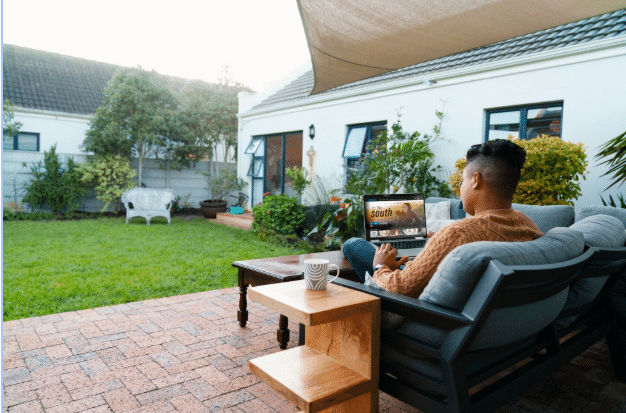
How can you design an outdoor space that looks good when spring flowers fade, summer blooms disappear, autumn leaves fall, and winter arrives? In fact, many homeowners have yards that look vibrant for a few short months, but are barren and uninviting during the off-season.
These dramatic seasonal changes compel property owners to look beyond fleeting blooms. More people are rethinking their yards, focusing on lasting plant structure, varied foliage, hardscaping, and lighting to maintain visual warmth.
A four-season garden utilizes tough flowering plants, structural foliage, persistent seed heads, and easy pollinator support. In this article, you will learn how to combine strategic planting, functional features, and practical maintenance to create an attractive outdoor space that thrives year-round.
1. Choose Plants That Provide Seasonal Color And Texture
If you only plant single-season bloomers, your garden can look bare during the months they are dormant. Layer flowering perennials with deciduous shrubs and trees with interesting bark to ensure year-round interest.
Quality residential landscape design starts with selecting plants suited to your local climate and soil. It is recommended to consider foliage, fruit and twig textures to provide year-round interest:
- Spring: Flowering shrubs and early-blooming bulbs.
- Summer: Ornamental grasses, colorful perennials.
- Autumn: Changing leaves and late-season berries.
- Winter: Evergreen leaves and architectural plant shapes.
Choose locally adapted plants to support wildlife and reduce extra watering.
2. Establish A Strong Landscape Structure That Looks Good In Winter
Permanent features like paths, retaining walls and raised beds provide your garden with its architectural backbone. Evergreens have visual color and continuity throughout, unlike deciduous plants that lose their leaves.
Use plants of different heights and shapes to keep the landscape from looking flat. Design principles like repetition, balance, and proportion strengthen the overall look.
A centerpiece, such as a feature tree, garden sculpture or cozy seating area, anchors the space without overwhelming it. Evergreens and seed heads preserve texture after flowering plants fade away.
3. Create Functional Outdoor Living Areas For Different Seasons
An outdoor area that can easily accommodate any kind of weather is infinitely more useful. Add covered porches, pergolas, fire pits, and more to extend your yard’s usability.
Multipurpose landscapes are a great way to combine shade trees and edible plants for year-round enjoyment. A study of residential microclimates found that strategically placed natural windbreaks and shelter structures can increase winter outdoor seating comfort by up to 40%.
Make sure your layout provides free movement between zones with weather-resistant furniture. Place seating near shelter to make cooler weather gatherings more comfortable.
4. Use Outdoor Lighting To Maintain Visual Appeal After Dark
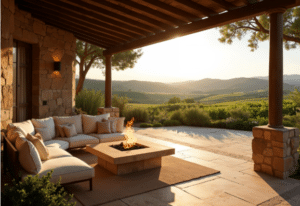
Thoughtful lighting extends the invitation to enjoy your outdoor space well into the night. Use step lights, wall-mounted fixtures, and pathway lights to guide movement safely on shorter winter days.
Accent lighting can create dramatic silhouettes of architectural elements or feature trees. A well-thought-out lighting plan provides the right dose of light without glare so that the garden can keep its peaceful feeling at night. Use shielded, downward-facing fixtures to limit glare and light spill.
5. Incorporate Durable Materials And Weather-Resistant Features
Much of your landscape’s lasting look depends on whether permanent materials can withstand seasonal extremes. The choice of materials for patios, edging, and steps depends on drainage, frost exposure, and surface traction.
Consider how these textures interact, whether you’re working with natural stone, composite products or weather-resistant timber.
Consistent colors across your house, pathways, and outdoor dining areas create a flowing aesthetic. Proper installation maintains the design’s integrity. Ensure good drainage around paving to reduce water-related seasonal damage.
6. Design For Each Season Rather Than Relying On A Single Peak Season
A good four-season design considers the whole year. Plant groupings that provide overlapping interest avoid long visual gaps. It is recommended to develop a seasonal planting schedule to help you track when plants are blooming, fruiting or changing color.
Adding movable planters and temporary decorative items helps you add fresh color smoothly, so the landscape looks vibrant from every window and pathway.
7. Choose Sustainable Plants And Practical Maintenance Methods
Choosing the right plant for the right place reduces unnecessary maintenance and supports the ecosystem. Illinois Extension says planting shrubs, ground covers, and trees provides critical habitat for native wildlife.
An ecological study found that leaving dead seed heads and ornamental stems over winter boosts local pollinator survival rates.
Good watering schedules and pruning will keep plants healthy and leave attractive winter textures instead of clearing all away.
How To Plan An Outdoor Space For All Four Seasons
Before buying plants or hardscaping materials, take a good look at your site’s sunlight, drainage, and wind exposure. First, install permanent structures, central points, and circulation routes.
Then review your seasonal planting schedule and note when there will be no color or structure. Watch the space and tweak it over time by working with a realistic maintenance budget and adding features in stages.
Conclusion
A good year-round landscape needs more than a spring flower show. A solid hardscaping structure and sustainable plants chosen for seasonal variety and good lighting will keep the landscape visually interesting over time.
Ultimately, successful four-season design depends on choosing durable elements that fit your particular property. With good planning, each season effortlessly plays its part, providing its own special textures, colors, and outdoor pleasures.
