

For beauty practitioners, a strong brand identity is more than a pretty logo; it’s a promise of expertise, an invitation to a certain experience, and a memory that clients carry with them. Whether you are an esthetician, a skincare therapist, or a salon owner, the way you present your business visually and verbally can determine how clients perceive your services before they ever walk through the door. Building a distinctive identity begins with clarity about who you serve and why your approach matters.
Understanding Your Niche and Audience
Start by defining your niche and the clients you want to attract. Are you focused on medical-grade treatments, luxury pampering, organic skincare, or quick, accessible services? Each emphasis invites a different visual and tonal approach. A brand aimed at high-end clientele might lean on minimalist design and muted palettes that signal calm and sophistication. A brand targeting younger clients could adopt bolder colors, playful typography, and energetic messaging. Research competitors in your area to spot gaps and opportunities; identify a space where your personality and expertise can stand out without imitating what’s already common.
Crafting Visual Elements that Tell a Story
A memorable brand starts with visuals that communicate a story: the logo, iconography, photography style, and overall layout. The logo is a small emblem of the entire experience you offer, so explore shapes and symbols that relate to beauty, care, and transformation. Consider whether a monogram, a symbol, or a wordmark best suits your name and positioning. When brainstorming, look at real-world references and keep practicality in mind: your logo should be legible at small sizes, easily adaptable for social media avatars, and coherent on signage.
For inspiration that is directly relevant to professionals in skincare, a short, targeted search for esthetician logo ideas can spark concepts that align with your aesthetic while suggesting variations that reflect your unique identity. Use those inspirations as a starting point, not as a final template—adaptation and originality are what make a logo truly yours.
Choosing Colors, Typography, and Imagery
Color psychology plays a powerful role in evoking emotions. Cool greens and soft blues suggest cleanliness and calm, while warm neutrals and gold tones evoke warmth and luxury. Limit your palette to two primary colors and two accent colors to maintain cohesion across materials. Typography should complement your visual tone: a refined serif may convey tradition and elegance, whereas a rounded sans-serif can feel approachable and modern. Pair fonts thoughtfully to avoid visual clutter.
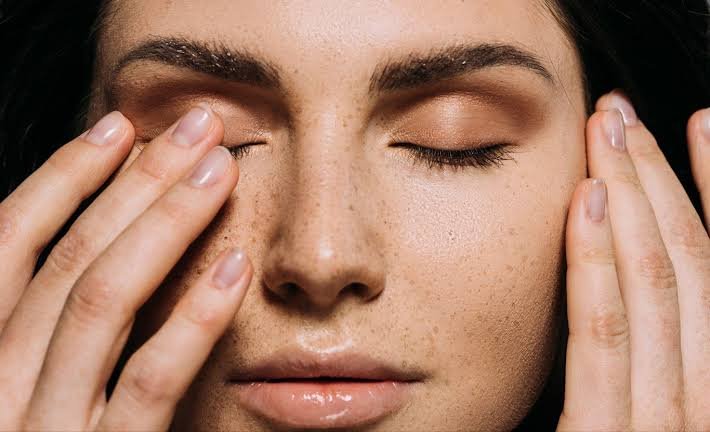
Photography and imagery should reflect real clients, real results, and the atmosphere of your space. Consistent lighting and a cohesive editing style establish recognition. Consider lifestyle shots that show relaxed clients, close-ups of skin textures, and behind-the-scenes moments with practitioners at work. Authentic imagery builds trust more quickly than stock photos that feel generic.
Developing a Distinct Brand Voice
Beyond visuals, your brand voice guides how you communicate with clients. Decide whether your tone is clinical and professional, friendly and conversational, or nurturing and holistic. This voice should come through in every client touchpoint: website copy, appointment reminders, social media captions, and in-salon signage. Create simple guidelines for language, such as preferred greetings, how to describe treatments, and the level of formality to use. A consistent voice increases familiarity and helps potential clients understand what to expect.
Designing for the Client Experience
Brand identity extends into the physical and digital experience. From the layout of your treatment room to the packaging of retail products, every detail reinforces your positioning. Thoughtful touches—like a consistent scent, branded appointment cards, and clean, attractive product labels—elevate perceived value. On the website, ensure navigation mirrors the in-salon journey: clear descriptions of services, pricing transparency, and easy booking options. Mobile-friendly booking and visible before-and-after galleries reduce friction and build confidence.
Bringing the Brand Online and Offline
Your online presence should feel like an extension of your business environment. Social media platforms are laboratories for experimenting with visual themes, educational content, and client testimonials. Plan content that showcases your expertise without overwhelming followers: short skincare tips, treatment spotlights, and client transformations work well. Email newsletters can reinforce relationships by offering exclusive tips, promotions, and a sense of community.
Offline, maintain visual consistency across printed materials. Business cards, receipts, and in-salon brochures should echo the same color palette, typography, and imagery used online. This repetition strengthens recognition and helps clients remember you when recommending services to friends.
Staying Flexible and Consistent
A brand should be consistent but adaptable. Establish core guidelines that remain stable—logo variations, color codes, primary fonts—and allow for seasonal or campaign-specific flexibility. Test what resonates with your audience and be prepared to iterate. Track simple metrics: appointment bookings after a campaign, engagement on social posts, and client feedback. Small adjustments informed by results will refine your identity over time without losing authenticity.
Final Thoughts on Building a Lasting Identity
Designing a distinctive identity for beauty practitioners is an exercise in clarity, consistency, and emotional resonance. Prioritize understanding your niche and audience, craft visuals that tell your story, and ensure that every touchpoint reflects the experience you promise. When visuals, voice, and client experience align, your brand becomes more than a name—it becomes a trusted choice for clients seeking the services you provide. Keep your identity evolving with intention, and you’ll create lasting recognition in a crowded market.
