

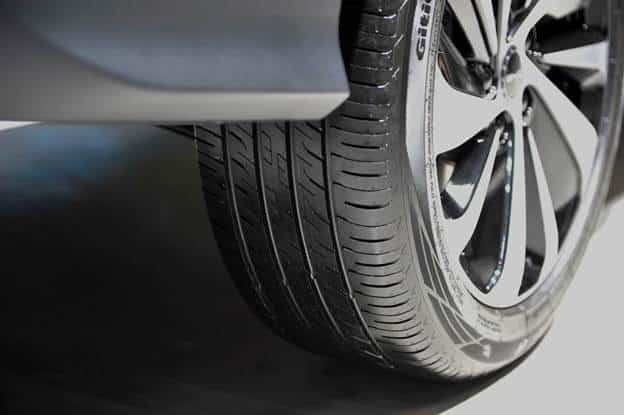
In an industry where motorsport is rising in popularity, we are seeing the tech developed for this industry feed into everyday drivers’ hands. This is beneficial as the tech that goes into the tires not only impacts speed but has been tested under demanding conditions.
Tire manufacturers invest in motorsports because racing compresses years of ordinary driving stress into an intense development environment. Heat builds quickly, braking forces are severe, and grip must remain predictable as conditions change. The lessons gathered under those pressures can then influence widely available products.
From a business perspective, this transfer of knowledge makes research spending work harder. A compound, tread feature, or construction method developed for competition can support several road-going product lines. Manufacturers gain stronger products, while everyday drivers receive technology that has been examined under conditions their daily journeys are unlikely to reproduce.
From the Track to the Daily Commute
The objective is not to fit a passenger car with a pure racing tire. Track-focused tires may need careful warming, wear rapidly, and perform poorly in standing water or cold weather. Instead, engineers adapt selected ideas, so they suit stop-and-go traffic, highway travel, school runs, and weekend driving.
Tire like High-performance Falken tires demonstrate the broader appeal of this approach by bringing performance-led engineering into road applications where drivers need comfort, durability, and dependable wet-weather behavior. The useful connection to racing is not simply greater speed. It is the ability to manage forces more effectively while preserving the practical qualities expected from an everyday tire.
Compounds Built for Real Conditions
Rubber compounds are one of the most valuable areas of technology transfer. In competition, engineers study how a tire reacts to temperature, friction, and repeated load changes. For passenger vehicles, that knowledge can help create compounds that produce useful grip without becoming unsuitable for normal mileage or changing weather.
Modern road tires may use balanced polymers, silica, and reinforcing materials to improve the interaction between the tread and the road. The business challenge is optimization. Maximum dry grip alone would be a poor consumer proposition if the tire wore quickly, increased road noise, or lost effectiveness in rain. High-performance development gives manufacturers more information to balance these competing requirements and create products for identifiable driving needs.
Stronger Construction and Clearer Steering Response
Performance development also influences what happens beneath the visible tread. Tire casings, belts, bead areas, and sidewalls must control how the tire changes shape under acceleration, braking, and cornering. Racing programs provide data about these movements, allowing engineers to understand where stiffness is beneficial and where flexibility remains necessary.
For an everyday driver, refined construction can support more immediate steering response and a more settled feeling during lane changes. It can also help the tread maintain consistent contact with the road when a vehicle carries passengers, encounters uneven pavement, or brakes suddenly. The result is not a race-car experience. It is a passenger vehicle that can feel more controlled and predictable.
Tread Design That Manages Water and Pressure
Racing development encourages precise analysis of the tire’s contact patch, which is the area touching the road. Engineers examine how pressure is distributed and how tread blocks move under load. Those findings can shape road-tire patterns that resist unwanted deformation while directing water away from the contact area.
This matters during situations including entering a wet highway, turning at an intersection, or stopping when traffic slows unexpectedly. Grooves, channels, and tread geometry must work together without creating excessive noise. Digital simulation and physical testing help manufacturers refine those details before a product reaches consumers.
Why the Investment Benefits the Wider Market
For tire companies, motorsport can function as both a development laboratory and a demonstration platform. The investment supports engineering knowledge, brand credibility, and product differentiation. However, the greatest long-term return comes when innovations can be scaled into tires bought by a much larger group of drivers.
Everyday motorists benefit because performance research raises expectations for grip, feedback, wet control, heat management, and structural consistency. Drivers should still choose tires that match their vehicle, climate, mileage, and manufacturer specifications. Yet when performance-derived technology is adapted responsibly, it can make routine journeys more confident, comfortable, and predictable. Racing may supply the demanding test environment, but ordinary roads are where the technology ultimately proves its value.
