

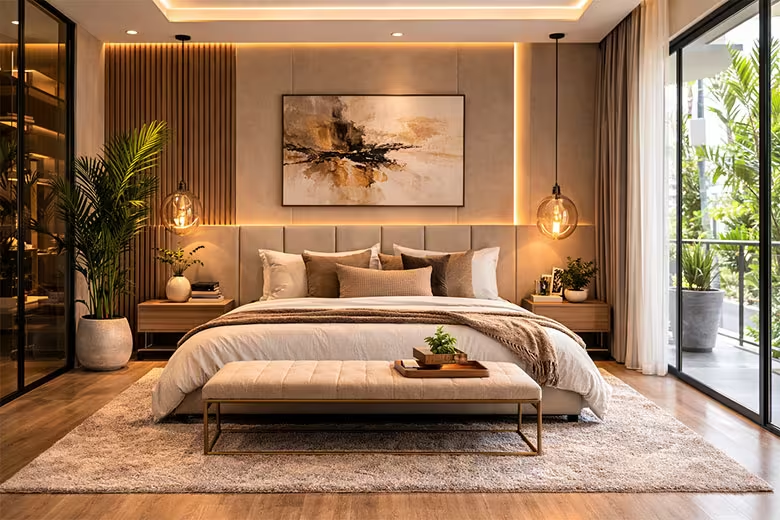
Recent statistics paint a challenging picture of our national rest and daily recovery. According to the 2025 IKEA Sleep Report, Australians sleep an average of 6 hours and 31 minutes per night. This means many adults are missing their ideal target by nearly an hour and a half, contributing to high rates of morning fatigue. Furthermore, the 2023 Real Sleep Report revealed that 39 percent of Australians frequently struggle to fall asleep, with stress and anxiety ranking as the leading disruptors. To combat this, the sleep sanctuary design movement is taking over the Australian property market. By focusing on minimalist, clutter-free bedroom environments, homeowners are discovering that a strategic master bedroom upgrade can drastically improve sleep quality while potentially adding thousands to their property’s overall market value.
1. Optimising Your Bedroom Temperature for Deep Rest
One of the most critical elements of a functional sleep sanctuary is thermoregulation. Clinical sleep findings emphasise that a consistently cool room prevents the sudden spikes in skin temperature that commonly cause night sweats and disrupt the essential transition into slow-wave sleep. Nighttime thermoregulation studies reveal that when body heat is trapped by dense, unbreathable synthetic bedding, it forces the body to fight its natural cooling process. This physiological struggle often leads to micro-awakenings and fragmented rest throughout the night, leaving you feeling exhausted the next day.
Australian interior stylists and wellness experts emphasise that replacing outdated synthetic fabrics is one of the fastest and most cost-effective methods to increase a bedroom’s visual appeal and physical comfort. Research demonstrates that natural fibres feature unique structural breathability, drawing excess heat and moisture away from the skin significantly faster than synthetic fabrics like polyester. Upgrading your bed with luxury cotton sheets provides the necessary ventilation to keep your body cool, ensuring your sleep cycle remains uninterrupted while adding a timeless, elegant aesthetic to your personal space.
Managing your sleep environment is a biological necessity rather than just a superficial design choice. According to the Sleep Foundation, a higher core body temperature is directly associated with a decrease in restorative slow-wave sleep. They note that the ideal room temperature sits between 65 to 68 degrees Fahrenheit (around 18 to 20 degrees Celsius), and they highly recommend using temperature-regulating bedding to prevent excessive heat build-up before bedtime.
2. Mastering Light Control and Colour Psychology
Beyond textiles and temperature, managing ambient light exposure and room aesthetics plays a massive role in combating insomnia and establishing a relaxing mood. Environmental psychology research demonstrates that cool, low-chroma paint colours are scientifically linked to lower heart rates and reduced blood pressure, making them optimal for relaxation. In contrast, warm and highly saturated wall colours like reds, oranges, and bright yellows are repeatedly shown to increase cognitive arousal and actively delay the onset of sleep.
To truly modernise your sleep environment, consider incorporating these highly impactful and accessible design upgrades into your weekend renovation plans:
- Choose soothing colour palettes: Repainting your bedroom walls in soft blues or sage greens can instantly transform the space into a calming, resort-like retreat that promotes mental unwinding.
- Install true blackout curtains: Sleep specialists recommend ensuring bedroom window treatments block at least 80 to 90 percent of external light. Preventing artificial ambient light from streetlamps helps safeguard the brain’s natural melatonin production.
- Embrace biophilic design elements: Incorporating natural textures, breathable organic materials, and air-purifying indoor plants is a major home design trend that helps create a soothing, earthy atmosphere.
3. Maintaining Your Upgraded Sanctuary
A master bedroom renovation can range from a few thousand dollars for basic cosmetic upgrades to upwards of $35,000 for high-end structural changes like custom cabinetry or a completely new ensuite layout. Real estate industry estimates suggest that these strategic improvements, particularly those that elevate the room’s luxury aesthetic and practical functionality, can potentially add significant equity to an Australian home’s market value. However, the health and financial benefits of this investment can only be sustained if you keep the space pristine over time.
Achieving a resort-quality bedroom is incredibly rewarding, but long-term upkeep is essential to preserve both the aesthetic and hygienic value of the space. Investing in premium textiles and extensive room renovations means very little if you overlook basic maintenance and hygiene habits. Dedicating regular time to broader home improvement routines, such as deep cleaning your window treatments and laundering your bedding on a strict schedule, ensures your sleep environment remains fresh, healthy, and highly conducive to deep relaxation for years to come.
