

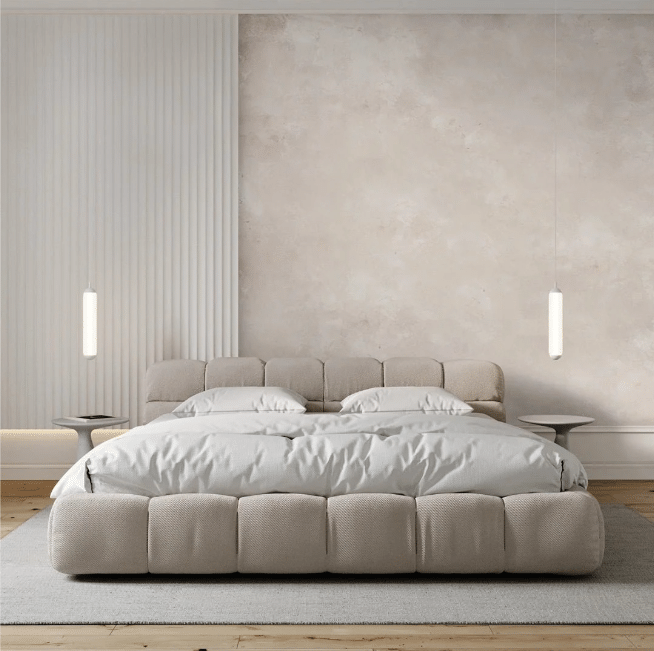
Perfectly smooth walls and flawless finishes have dominated interior design for years. Yet many of today’s most inviting homes embrace something different: subtle irregularities, soft color variations, and surfaces that feel naturally aged. This shift toward authentic-looking materials explains the appeal of lime wash wallpaper, which recreates the layered, mineral-inspired appearance of traditional limewash finishes. Instead of covering walls with bold patterns, it introduces visual movement through gentle tonal transitions and organic-looking texture.
The beauty of this approach lies in its restraint. A wall doesn’t need elaborate decoration to become an interesting part of a room. Sometimes, the smallest variations make the strongest impression.
The Beauty of Imperfection in Interior Design
For a long time, modern interiors were associated with precision: straight lines, uniform colors, and perfectly finished surfaces. While this aesthetic remains popular, an increasing appreciation for natural materials has brought more expressive finishes into contemporary homes.
This idea connects closely with wabi-sabi, a Japanese aesthetic philosophy that finds beauty in simplicity, impermanence, and imperfection.
In interior design, it encourages appreciation for surfaces that don’t look completely uniform.
Limewash-inspired walls capture a similar visual quality. Their softly blended tones create the impression of a handcrafted finish, even when the effect is achieved through printed wallpaper.
Unlike geometric patterns or highly decorative prints, these variations feel organic and understated.
Why Limewash Finishes Feel More Authentic
What makes a room feel authentic isn’t necessarily the age of its furniture or the price of its materials. Often, it’s the combination of surfaces that appear natural, comfortable, and thoughtfully selected.
Subtle Color Variations Create Visual Depth
A uniformly painted wall reflects light relatively consistently across its surface. A limewash-inspired finish introduces gentle shifts in tone that can make the wall appear more dimensional.
These variations create visual interest without requiring contrasting colors or additional decoration.
Warm beige, chalky white, muted taupe, and earthy gray are particularly effective because they complement natural materials and understated interiors.
The Handcrafted Look Adds Character
Traditional limewash finishes are associated with soft brush marks, mineral pigments, and irregular color movement.
Wallpaper inspired by this appearance can capture the visual character of artisanal finishes while offering a different approach to wall decoration.
The result is especially appealing in homes where perfectly uniform surfaces would feel too formal.
Rather than looking unfinished, the walls appear intentionally relaxed.
How to Style Limewash-Inspired Walls
The key to decorating with limewash effects is choosing furnishings that complement the finish rather than compete with it.
Pair with Natural Wood
Wood and limewash-inspired surfaces share an organic visual quality.
Light oak furniture creates a relaxed Scandinavian atmosphere, while walnut introduces warmth and sophistication.
For a modern dining room, consider combining soft taupe walls with a solid wood table and simple upholstered chairs.
The contrast between the wall’s gentle tonal movement and the wood’s natural grain creates a balanced composition.
Introduce Stone and Ceramic Details
Travertine, limestone, and handmade-looking ceramics complement the earthy appearance of limewash.
A stone coffee table, sculptural vase, or ceramic pendant light can reinforce the connection to natural materials.
Avoid filling the room with too many competing textures. A few carefully selected pieces often create a more refined impression.
Use Soft, Layered Textiles
Linen curtains, wool rugs, and textured upholstery help soften contemporary spaces.
These materials work particularly well with limewash-inspired wallpaper because they introduce additional visual layers without overwhelming the room.
For a cohesive interior, choose fabrics in complementary neutral shades rather than matching every element exactly.
Choosing the Right Limewash Effect for Each Room
Different spaces benefit from different interpretations of the limewash aesthetic.
Living rooms: Warm beige or greige finishes create a welcoming backdrop for contemporary furniture. Add natural wood, soft upholstery, and sculptural lighting for an elegant modern-organic look.
Bedrooms: Muted ivory, sand, and warm gray tones encourage a calm visual atmosphere. Pair them with upholstered headboards, layered bedding, and gentle bedside lighting.
Dining rooms: Earthier shades, such as clay-inspired beige or deeper taupe, can introduce character while maintaining a sophisticated appearance.
Home offices: Subtle gray-beige finishes provide visual interest without the distraction of bold patterns. Combine them with simple furniture and practical lighting.
The goal isn’t to make every room look identical. It’s to select a finish that supports the atmosphere and function of each space.
The Role of Lighting in the Limewash Aesthetic
Lighting can significantly influence how a limewash-inspired surface appears.
Natural daylight reveals tonal variations across the wall, while warm evening lighting can soften the overall effect.
For rooms with limited natural light, lighter shades often help maintain an airy appearance. In brighter spaces, deeper earthy tones can create a more enveloping atmosphere.
Wall sconces and indirect lighting are particularly useful for establishing a comfortable mood.
Before selecting a wallpaper design, examine a sample under the lighting conditions of the intended room. Printed limewash effects can vary in appearance depending on color, finish, and illumination.
A More Personal Approach to Modern Interiors
The appeal of limewash-inspired walls goes beyond their appearance. They reflect a broader shift away from interiors that feel overly staged or impersonal.
Instead of pursuing flawless uniformity, homeowners can create spaces that celebrate subtle variation, natural-looking materials, and individual character.
For those exploring this aesthetic, custom peel and stick wallpaper offers another way to introduce distinctive finishes and personalized visual details into a room. Choosing a design that complements existing furniture, lighting, and architectural features helps create a cohesive result without relying on excessive decoration.
Final Thoughts
Limewash-inspired wallpaper demonstrates that beautiful interiors don’t have to be perfectly uniform.
Soft color transitions, organic-looking textures, and thoughtfully selected natural materials can give modern spaces warmth and individuality.
Whether used in a minimalist bedroom, an inviting living room, or a contemporary dining area, the limewash aesthetic offers an elegant alternative to flat, conventional wall finishes.
Ultimately, the most memorable interiors aren’t always the most polished. They’re the ones that feel natural, balanced, and genuinely personal.
