

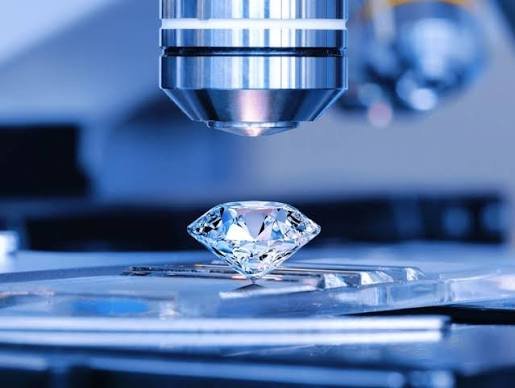
Selecting a natural diamond is an important decision because every stone can differ in quality, appearance, origin, and characteristics. While brilliance may immediately attract attention, factors such as clarity, colour, cut, carat weight, certification, and treatment status deserve equal consideration. For those exploring diamond gemstones for traditional astrological purposes, suitability and expert guidance can also matter. Knowing what to examine before making a purchase allows buyers to compare stones more effectively and choose one that aligns with their expectations, purpose, and budget.
Understand What Makes a Natural Diamond Different
The first step is understanding the difference between a naturally formed diamond and other diamond alternatives. Natural diamonds develop deep within the Earth over extremely long geological periods under intense pressure and temperature. Their natural formation contributes to their rarity and individuality.
When selecting a stone, ask for clear information about its origin and whether it has undergone any treatments. A transparent seller should be able to explain the stone’s characteristics and provide appropriate documentation where available. RudraTree’s website highlights its focus on natural and certified gemstones and describes its approach as sourcing directly from gem mines.
Check the Diamond’s Colour
Colour is one of the most noticeable characteristics of a diamond. For traditional white diamonds, colour generally refers to how much visible tint the stone has. A stone with greater colourlessness can have a different appearance and value compared with one showing noticeable warmth.
However, colour preference can depend on personal taste and the purpose of the gemstone. If the diamond is being considered for jewellery, its colour should complement the metal and overall design. For an astrology-related purchase, buyers may also want to consider traditional recommendations rather than selecting a stone based solely on appearance.
Examine Clarity Carefully
Clarity refers to the presence of internal characteristics and surface imperfections. Natural diamonds can contain inclusions because they form under natural geological conditions. These characteristics can vary from stone to stone and contribute to its individuality.
When examining clarity, do not rely only on photographs. Ask whether the stone has been professionally evaluated and whether a laboratory report is available. Magnification can reveal details that are difficult to notice with the naked eye.
A balanced approach is important. Extremely high clarity may not always be necessary for every purpose, while obvious inclusions can affect appearance. The right choice depends on your expectations, budget, and intended use.
Evaluate the Cut and Shape
Cut influences how effectively a diamond interacts with light. A well-cut stone can display noticeable brilliance and visual appeal, making cut an important consideration when selecting jewellery.
Shape and cut are related but not identical. Round, oval, pear, cushion, princess, and other shapes can create different visual effects. The choice should reflect how you intend to wear or use the stone.
For a ring or pendant, consider the setting as well. The shape of the stone should work naturally with the jewellery design without compromising security or everyday comfort.
Consider Carat Weight
Carat weight indicates the weight of a diamond, not simply its visual size. Two diamonds with the same carat weight can appear different because proportions, shape, and cut influence their overall appearance.
Instead of choosing a stone only because it has a larger carat weight, consider the complete combination of characteristics. A smaller stone with excellent proportions and appealing clarity may create a more attractive result than a larger stone with weaker visual qualities.
For buyers interested in traditional gemstone practices, the required weight may also depend on the individual’s astrological consultation and recommendations.
Verify Certification and Documentation
Certification is an important factor when evaluating a valuable natural gemstone. A laboratory report can provide information about characteristics such as colour, clarity, measurements, and other grading details.
RudraTree’s website displays references to recognised gemstone and diamond certification bodies, including GIA and IGI, as part of its quality and authenticity presentation.
Before purchasing, review the documentation carefully and make sure the details correspond with the stone being offered. Certification should support transparency rather than simply being treated as a marketing label.
Think About Treatment and Authenticity
Some gemstones can undergo treatments to change their appearance or improve certain characteristics. Therefore, it is important to understand whether a stone is untreated, treated, enhanced, or laboratory-created.
A natural stone should be accompanied by accurate information about its condition. Never assume that a higher price automatically means greater authenticity. Ask questions, review available certification, and compare the information provided by the seller.
This becomes particularly important when searching for a place to buy diamond stone Bangalore, where buyers may have access to both physical stores and online gemstone sellers.
Seek Expert Guidance for Astrological Use
If the diamond is being considered as an astrological gemstone, selecting one purely on appearance may not be sufficient. Traditional Vedic astrology considers factors such as the birth chart, planetary placements, ascendant, and other individual details when recommending gemstones.
A consultation can therefore help buyers understand whether a diamond is traditionally suitable for their circumstances. RudraTree describes a process in which customers provide birth details, experts analyse the horoscope, and recommendations are made according to the individual’s requirements.
It is important to treat astrological benefits as traditional beliefs rather than scientifically established effects.
Conclusion
Selecting a natural diamond gemstone involves evaluating authenticity, certification, colour, clarity, cut, carat weight, origin, treatment, and intended use. Buyers interested in jewellery should focus on visual quality and suitability, while those considering traditional astrology should seek appropriate guidance and verified documentation. Careful comparison and transparent sourcing can make the selection process more informed and help ensure that the chosen stone meets your expectations.
With a focus on authenticity, expertise, and personalised guidance, RudraTree offers natural and certified gemstones, Rudraksha, healing crystals, astrology consultation, gemstone guidance, pooja ceremonies, homam services, and related spiritual offerings. Its gemstone process includes expert recommendations, authentication-focused evaluation, online purchasing, and traditional energising services. The brand also provides gemstone options for different Rasi and Lagna requirements, helping customers explore stones according to jewellery, gifting, or traditional astrological purposes.
