

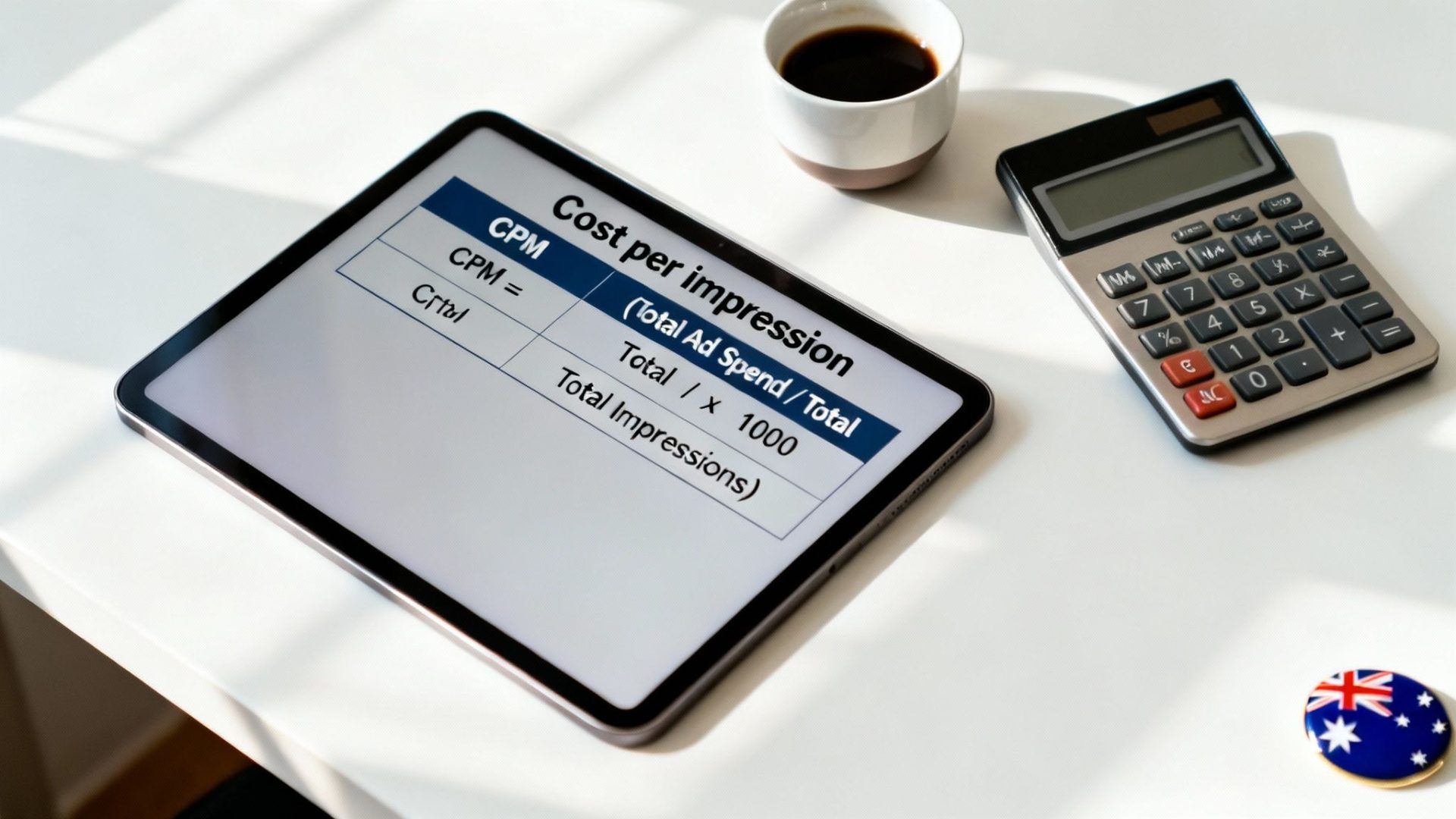
Marketing budgets tend to be defended with numbers, and rightly so. A digital campaign arrives with dashboards, cost-per-click figures, and impression counts down to the decimal. A box of pens arrives with none of that, which makes it easy to treat merchandise as the soft, unmeasurable end of the budget. That instinct is understandable, but it does the humble pen a disservice, because the maths is actually available if you are willing to work it out rather than wave it away. The problem is not that pens are unmeasurable; it is that nobody bothers to measure them.
So let us do it properly. Suppose you buy a run of promotional pens at a typical mid-range unit price and hand them out over the course of a year. The figures GoPromotional works with every day, as a long-standing supplier in this market, make the calculation straightforward, and the honest version is more persuasive than the inflated one you sometimes see quoted elsewhere. We will keep every assumption conservative, because a number you can defend in a meeting is worth more than a number that sounds impressive and collapses under a follow-up question.
Start with the unit. A solid promotional ballpoint sits somewhere around twenty to thirty pence at volume once printing is included. Call it twenty-five pence for the sake of the sum. If that pen is used even a modest number of times before it is lost or retired, and if each use puts your logo in front of the person holding it, you already have a cost per impression that digital advertising struggles to touch. A pen used twice a week for six months is roughly fifty exposures for the original owner alone, which is half a penny per impression before the pen has gone anywhere.
The number that makes pens genuinely interesting, though, is what happens after the first owner. Pens migrate. They get borrowed, pocketed, left on counters, and adopted by strangers, and every one of those journeys is a fresh set of impressions you did not pay extra for. Even if you assume, conservatively, that only one in three pens ever reaches a second user, the effective audience for your run is meaningfully larger than the number of pens you bought. You cannot say the same for a banner ad, which stops existing the moment your budget runs out.
Now compare. A cost-per-click on a competitive search term can run to a pound or several pounds, and that buys you a single visit that may bounce in seconds. A social impression is cheaper but fleeting, gone in the half-second it takes to scroll past. The pen, by contrast, is a physical object that persists, that is used rather than merely seen, and that carries no ongoing cost once it is printed. It does not get blocked, skipped, or filtered. It just sits there doing its job for as long as the ink lasts.
The honest counterpoint, and it matters, is that pens do not deliver the thing digital does best: they cannot be attributed cleanly. You will never know precisely which pen led to which enquiry, and anyone who claims otherwise is selling you a story. What pens deliver is durable, low-cost presence and the kind of ambient familiarity that makes a brand feel established when a buyer finally does go looking. That is a different job from direct response, and confusing the two is where most merchandise disappointment comes from.
The sensible way to hold both truths is to stop asking a pen to behave like a click and start valuing it for what it actually is: the lowest cost-per-impression tool in most marketing mixes, with a physical persistence that no digital channel can match. If you run the sum with conservative assumptions and it still comes out favourably, and it almost always does, then the pen has earned its line in the budget on merit rather than sentiment.
The practical move is to write the calculation down before you buy, using your own numbers rather than a supplier’s optimism. Take your likely unit cost, a modest estimate of uses per pen, and a cautious migration rate, and you will have a defensible cost-per-impression figure to put next to your digital ones. More often than not the comparison surprises the person who assumed pens were the unmeasurable part of the budget.
