

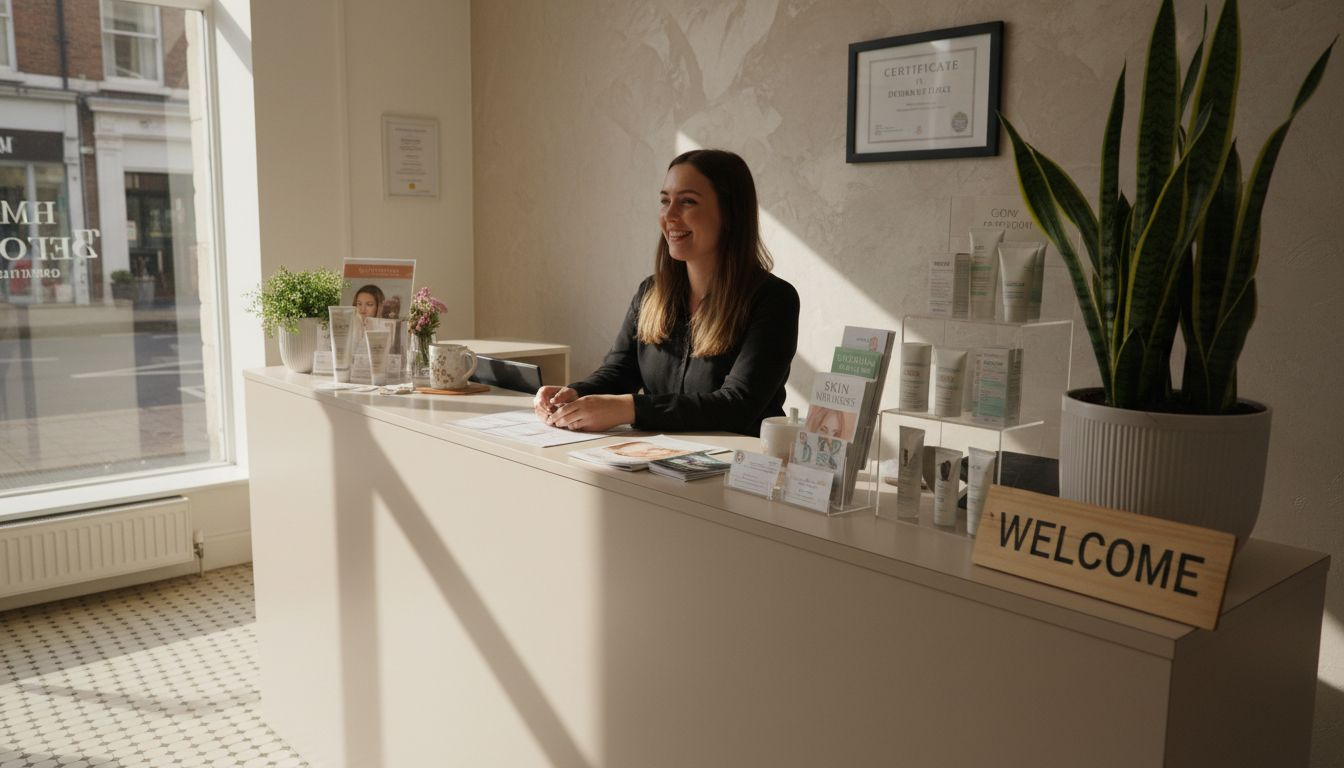
A good skin clinic isn’t just a place where someone looks at your face under bright lights and suggests a treatment from a menu. At least, it shouldn’t be. The best experiences feel much more considered than that, because skin is personal in a way people sometimes underestimate. It’s tied to confidence, ageing, hormones, stress, health, lifestyle and all the little things that happen in real life, not just what appears in a mirror on a particular day.
That’s why people are often drawn to clinics that feel less transactional and more tailored. A place like Solskin Beauty Labs fits into that more thoughtful approach, where the goal isn’t simply to push whatever treatment is trending but to understand what someone actually wants to improve, what their skin can realistically tolerate, and what kind of results will still feel like them.
Personalisation Starts With Listening
It sounds obvious, but listening is one of the biggest differences between a standard appointment and a genuinely helpful consultation. Some people come in knowing exactly what bothers them, while others only have a vague sense that their skin looks tired, uneven or not quite how it used to. A good practitioner doesn’t rush that conversation, because the details matter.
Someone dealing with pigmentation may need a very different plan from someone focused on texture, breakouts, redness, fine lines or general dullness. Even when two people ask for the same treatment, their skin history, sensitivities and expectations may point in completely different directions. That’s where a personalised approach becomes more than a nice extra; it becomes the foundation of safe, sensible results.
Modern Treatments Should Still Feel Human
Technology has changed the skin industry dramatically, and there are now more options than ever for improving tone, firmness, hydration and overall skin quality. That’s exciting, but it can also be overwhelming. Devices, peels, needling, injectables, facials and active skincare all come with their own language, and it’s easy for clients to feel like they’re supposed to understand everything before they even walk in.
A modern clinic should make that process feel clearer, not more confusing. The practitioner’s role is to explain what a treatment is designed to do, why it may or may not be suitable, and how it fits into a longer-term plan. Nobody should feel pressured into a decision because a treatment sounds impressive. The right option is the one that makes sense for the person sitting in the chair.
Results Don’t Have to Look Obvious
For many people, the goal isn’t to look dramatically different. They want to look fresher, healthier, more rested or more confident, without feeling like they’ve lost their natural expression. That requires restraint, skill and an honest conversation about what’s achievable.
Confidence Is the Real Outcome
When a skin clinic gets the balance right, the experience feels supportive rather than intimidating. You leave with a better understanding of your skin, a clearer plan and the sense that your concerns have been taken seriously. Treatments may improve the surface, but the real value is often deeper than that: feeling more comfortable in your own skin, without being made to feel like you needed fixing in the first place.
