

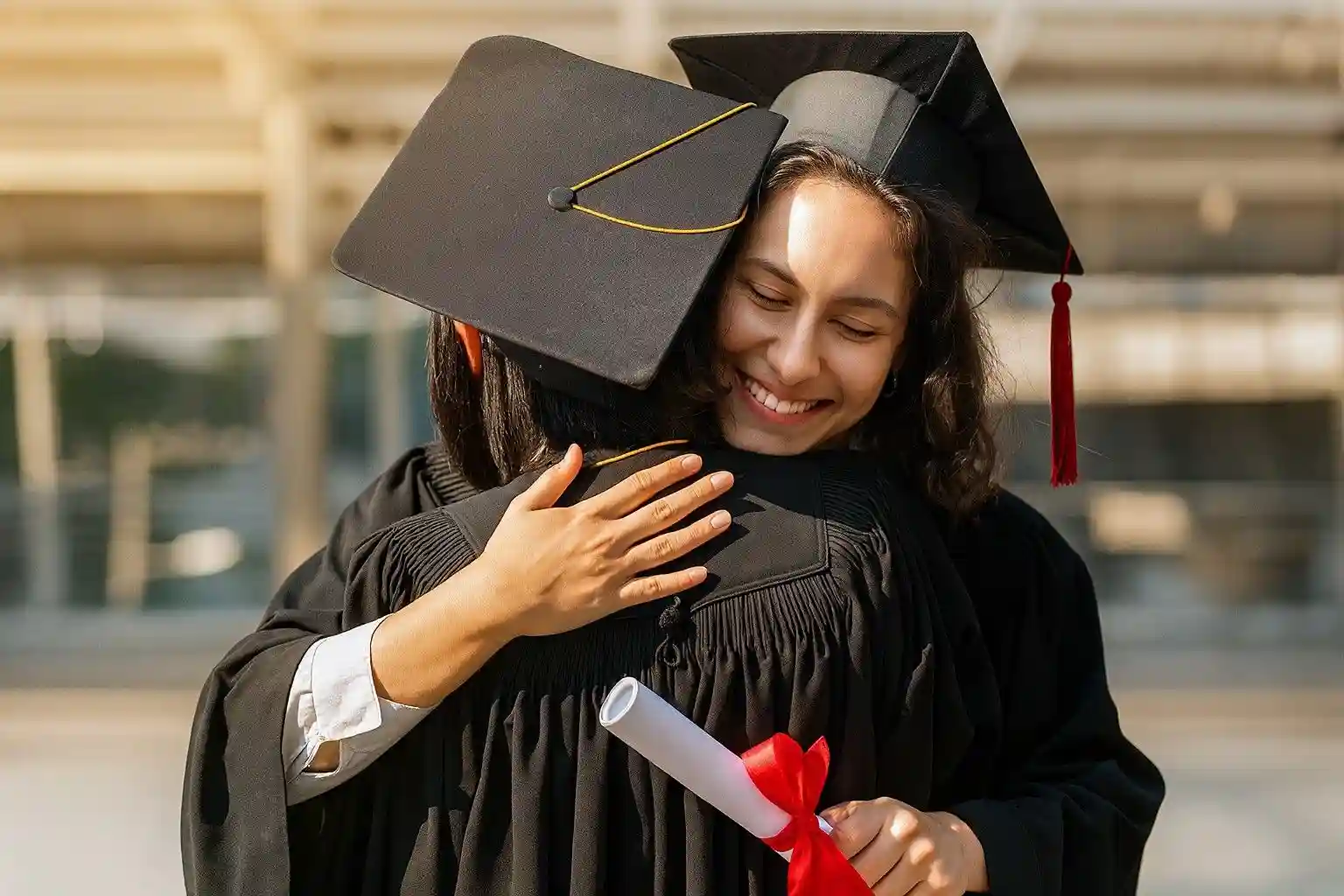
A classroom can influence far more than academic scores during a student’s school years. Daily interaction, project discussions, cultural exposure, and independent tasks slowly shape confidence, communication habits, and decision-making abilities. Parents today look closely at how schools prepare children for practical situations beyond examinations alone. Skills such as adaptability, collaboration, and problem-solving now carry equal importance alongside academic achievement. This article explains the major skills students develop through global education and how these experiences support personal growth, classroom confidence, and long-term readiness for future opportunities.
Communication Skills Become Stronger Through Daily Interaction
Many parents researching the top international schools in Mumbai notice how classroom participation receives consistent importance in global education environments. Students regularly engage in presentations, collaborative assignments, and classroom dialogue instead of depending entirely on written assessments. These activities gradually help children express thoughts clearly and confidently. Strong communication habits also improve listening ability, respectful discussion, and teamwork inside classrooms. Students who communicate comfortably usually adapt more easily during interviews, public speaking opportunities, and collaborative academic projects later.
Problem-Solving Skills Develop Through Practical Tasks
Global education systems usually encourage students to think through situations independently before reaching conclusions. Classroom activities involve practical exercises, collaborative projects, and analytical discussions that push students beyond memorization-based learning. Students gradually improve their reasoning ability while handling unfamiliar academic tasks or group assignments. Several families comparing international schools in mumbai india, appreciate how project-based learning encourages practical thinking in classroom environments. Children become more comfortable evaluating information carefully before responding to questions or solving challenges.
Analytical Thinking During Assignments
Students regularly participate in research activities, case studies, and project discussions requiring thoughtful responses instead of direct textbook repetition. These exercises strengthen patience and improve structured thinking during academic tasks. Children also learn how to organize information logically before presenting ideas during lessons or collaborative activities.
Real Situations Inside Classrooms
Practical classroom exercises frequently connect subjects with real situations students may encounter outside school environments. Exposure to these activities helps children understand how academic knowledge applies beyond examinations alone. This structure also improves confidence during teamwork and collaborative classroom participation.
Cultural Awareness Grows Through Diverse Exposure
Global learning environments bring together students with varied traditions, perspectives, and communication styles. Daily interaction inside such classrooms naturally improves social understanding and respectful communication habits among students. Children gradually become comfortable discussing ideas with classmates whose experiences differ from their own. Exposure to different viewpoints can also reduce hesitation around unfamiliar situations later in life. Cultural awareness developed during school years may support smoother adjustment during travel, university education abroad, or multicultural professional environments.
Independent Thinking Emerges Through Flexible Learning
Traditional classroom systems sometimes rely heavily on direct instruction and fixed responses. Global education environments frequently encourage students to ask questions, explain opinions, and explore ideas independently during lessons. Children gradually develop stronger confidence while expressing viewpoints respectfully during classroom discussions. Independent thinking also improves decision-making abilities because students learn how to evaluate situations before responding. Several parents now prioritize classroom flexibility because thoughtful participation supports stronger academic and personal growth throughout school life.
Adaptability Improves During Academic Changes
Flexible classroom structures help students remain comfortable during schedule changes, collaborative projects, and unfamiliar academic expectations. Exposure to varied teaching methods also supports emotional balance during transitions between activities or subjects. Students who adjust comfortably to changing educational environments usually handle academic pressure more effectively. Families exploring international schools in Mumbai, India, frequently value adaptability because students may later experience relocation, curriculum changes, or different educational systems during higher studies.
Leadership Skills Strengthened Through Collaboration
Global classrooms regularly involve shared projects, presentations, and group responsibilities. These experiences help students improve communication, accountability, and teamwork during everyday academic activities. Leadership development does not always depend on formal positions or titles inside schools. Simple responsibilities such as guiding discussions or presenting ideas can steadily improve confidence across different age groups.
Skills students build during collaborative activities:
- Clear communication during teamwork
- Better time management during projects
- Confidence while presenting ideas publicly
- Respectful coordination with classmates
Research Skills Improve Through Inquiry-Based Learning
Global education systems frequently encourage students to explore topics independently through presentations, investigations, and project-based assignments. Students gradually become more comfortable gathering information, comparing viewpoints, and organizing ideas before presenting conclusions. Inquiry-based learning also strengthens curiosity because children explore subjects beyond standard textbook material. Families comparing top international schools in Mumbai usually appreciate how research-focused activities improve academic discipline and independent thought. Strong research habits can later support higher education and professional growth.
Global education environments help students develop communication, adaptability, leadership, and independent thinking throughout their academic journey. Daily classroom experiences shape how children respond to teamwork, problem-solving, and unfamiliar situations later in life. Parents comparing top international schools now look beyond examination scores because practical skills play an important role in long-term growth. Supportive classrooms, cultural exposure, and collaborative learning together help students feel more prepared for future academic and personal responsibilities.
