

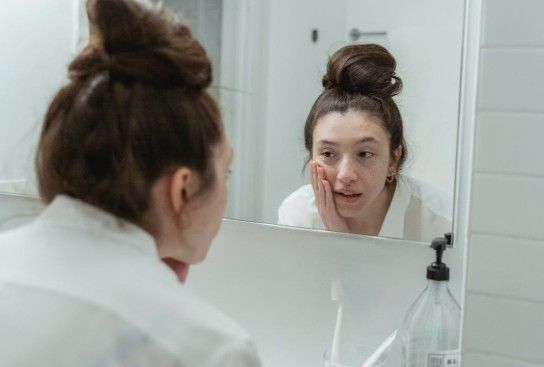
Acne is one of the most common skin concerns, yet it can feel deeply personal for those dealing with it. Many people try different products, routines, and home remedies, hoping for clear skin, only to find that the problem keeps coming back. In busy cities like New York, where lifestyle factors like stress, pollution, and fast-paced routines can affect skin health, acne can become even more difficult to manage. People often rely on quick fixes or trending products, but these solutions rarely address the deeper causes of breakouts.
The truth is, acne is more complex than it appears. It’s not just about clogged pores—it can be influenced by hormones, diet, stress, and overall skin condition. That’s why long-term skin health requires more than trial-and-error approaches. To truly manage acne and prevent it from returning, it’s important to understand why expert care can make such a significant difference.
Understanding Acne Beyond the Surface
While acne may look similar on the surface, the underlying causes can vary from person to person. For some, it’s linked to hormonal changes. For others, it may be related to excess oil production, bacteria, or even lifestyle habits.
This is one reason why over-the-counter products don’t always deliver lasting results. These products are designed for general use, not tailored to individual skin needs. In some cases, using the wrong products can even make the situation worse by irritating the skin.
Another risk of improper treatment is long-term damage. Picking at acne or using harsh products can lead to scarring and uneven skin tone.
Many people eventually realize that they need a more targeted approach. Seeking professional help allows for a better understanding of what’s really causing the issue. For example, if you’re in New York, visiting the Spotless acne clinic in NYC’s Upper East Side can provide access to personalized treatments and expert evaluations that focus on long-term improvement rather than temporary fixes.
With the right guidance, it becomes easier to identify triggers, choose suitable treatments, and build a plan that supports healthier skin over time. Understanding acne at a deeper level is the first step toward lasting results.
The Limitations of DIY and Over-the-Counter Treatments
It’s natural to start with over-the-counter products when dealing with acne. They’re easy to find and often promise quick results. However, these solutions don’t always address the root of the problem.
Many products focus on drying out the skin or reducing oil, but this can sometimes lead to irritation. When the skin becomes too dry, it may produce even more oil to compensate, leading to more breakouts. Mixing multiple products can also create confusion and increase the risk of negative reactions.
DIY remedies can be equally unpredictable. While some may offer temporary relief, they rarely provide consistent results. Without proper guidance, it’s easy to spend time and money on treatments that don’t work.
This is why professional evaluation becomes important. Instead of guessing what might help, expert care provides a clearer direction based on your specific skin type and condition.
Benefits of Professional Acne Care
Professional acne care offers a more structured and effective approach to managing breakouts. One of the biggest advantages is personalization. Instead of using general products, treatments are tailored to your skin’s unique needs.
Experts can recommend advanced options that are not typically available in regular stores. These may include specialized treatments designed to reduce inflammation, control oil production, and improve overall skin texture.
Another benefit is ongoing support. Skin conditions can change over time, and what works today may need adjustment later. Regular monitoring helps ensure that your treatment remains effective and continues to deliver results.
Professional care also focuses on prevention. Instead of just treating existing acne, it aims to reduce future breakouts and minimize the risk of scarring. This long-term approach leads to healthier, more balanced skin.
The Role of Skin Type and Lifestyle in Acne
Your skin type plays a major role in how acne develops and how it should be treated. Oily, dry, combination, and sensitive skin all require different approaches. Using the wrong products for your skin type can make acne worse instead of better.
Lifestyle factors are just as important. Stress, diet, and environmental conditions can all affect your skin. For example, high stress levels can trigger hormonal changes that lead to breakouts. Similarly, certain foods or a lack of sleep may also contribute to skin issues.
Living in a city environment can add another layer of challenges. Pollution and daily exposure to environmental factors can clog pores and irritate the skin.
A complete acne care plan takes all of these elements into account. By addressing both internal and external factors, it becomes easier to manage acne more effectively.
Preventing Long-Term Skin Damage
One of the biggest concerns with acne is the potential for long-term damage. When breakouts are not treated properly, they can lead to scarring and discoloration. These effects can be difficult to reverse and may require additional treatments.
Early intervention is key. Addressing acne at the right time can prevent it from becoming more severe. Consistent care also helps maintain healthy skin and reduces the likelihood of future problems.
Protecting your skin goes beyond treating breakouts. It includes maintaining a balanced routine, avoiding harsh products, and using sun protection to prevent further damage.
By focusing on prevention, you not only improve your skin’s appearance but also protect its long-term health.
Acne is more than just a temporary skin issue. It’s a condition that requires thoughtful and consistent care. While quick fixes may offer short-term relief, they rarely provide lasting results.
By understanding the causes of acne and seeking the right kind of support, you can take control of your skin health. Expert care offers personalized solutions, ongoing guidance, and a focus on long-term improvement.
Healthy skin doesn’t happen overnight. It takes patience, consistency, and the right approach. With proper care and informed decisions, achieving clearer, healthier skin becomes a realistic and lasting goal.
