


Tt Emoticon is a widely recognized text-based symbol used to express crying, sadness, or emotional reactions online. Its simplicity—using two “T” letters resembling teary eyes—makes it easy to type, copy, and share across messaging apps, social media, forums, and gaming platforms.
Unlike graphical emojis, the Tt Emoticon maintains a universal appearance, making it compatible across devices and languages. Teens, gamers, and online communities frequently use it to convey empathy, disappointment, or even humorous, exaggerated sadness.
With its versatile usage and emotional clarity, the Tt Emoticon has become an enduring part of digital communication, connecting users globally through simple yet expressive text-based emotion.
What Is the Tt Emoticon and Why Is It So Popular
The Tt Emoticon is a widely used text-based symbol representing crying or sadness, often appearing as TT with the vertical lines resembling tears. It has become popular in online chats, messaging apps, and social media for expressing emotions in a simple, relatable way. Unlike graphical emojis, the Tt Emoticon is entirely textual, making it easy to use across platforms without compatibility issues.
Its popularity grew among teenagers, gamers, and meme communities as a way to convey strong emotional reactions without typing long messages.
Whether reacting to sad news, frustrating situations, or even humorous moments, the Tt Emoticon effectively communicates feelings in a compact form. Many users also prefer Tt Emoticon copy paste for quick usage in texts, social media posts, or comments.

Tt Emoticon Meaning in Text and Online Chats
The primary meaning of the Tt Emoticon is sadness or crying, but context plays a key role in its interpretation. In online chats, it conveys feelings of disappointment, frustration, heartbreak, or sympathy. For example, a friend sharing bad news may receive TT as a response, instantly signaling empathy without long explanations.
Its textual simplicity makes it versatile, allowing usage in formal or informal chats. Unlike standard emojis, the Tt Emoticon retains emotional intensity without graphic imagery, which some users prefer. Understanding its meaning is essential for proper usage, as misinterpreting it can create confusion.
By learning when and how to apply the Tt Emoticon, users can enhance communication, express emotions efficiently, and maintain relatability in digital conversations, whether in messaging apps or on social platforms.
Emotional Expression Behind the Tt Emoticon
The Tt Emoticon is more than just text—it symbolizes genuine emotional expression. Each “T” resembles an eye shedding a tear, making it relatable for moments of sadness, frustration, or empathy. Users often choose the Tt Emoticon when words alone aren’t enough to convey feelings.
It is frequently combined with exclamations, like “TT I can’t believe this!” to emphasize emotional intensity. Unlike graphical emojis, the Tt Emoticon feels raw and personal, allowing for nuanced emotional expression in digital communication.
Its popularity in chat groups, gaming forums, and social media stems from its ability to instantly communicate emotion. Whether reacting to a sad story, a joke gone wrong, or a heartfelt confession, the Tt Emoticon captures the essence of crying or feeling overwhelmed in a compact, universally understood format.
Origin and History of the Tt Emoticon
The Tt Emoticon has its roots in early internet culture, particularly in forums, chat rooms, and messaging platforms from the 1990s and early 2000s. Text-based emoticons like T_T and TT were popularized in Asian online communities, especially in South Korea and Japan, where stylized text faces became common for emotional expression.
Unlike modern emojis, the Tt Emoticon required no images, making it universal across platforms. Over time, its usage spread globally, aided by social media, memes, and gaming communities. Today, the Tt Emoticon remains relevant, reflecting both nostalgia and practicality in online conversations.
Its historical significance lies in its ability to communicate emotion through minimalistic text, influencing the evolution of expressive internet culture and inspiring modern emoji design trends worldwide.
Cultural Significance of the Tt Emoticon
The Tt Emoticon has a significant cultural impact, especially in digital communication. It represents more than sadness—it shows empathy, emotional awareness, and shared experiences across global communities. In K-pop fan circles, gaming communities, and social media, the Tt Emoticon has become a symbol of connectivity, allowing users to express feelings without words.
Its adaptability across languages and platforms adds to its cultural relevance. The Tt Emoticon copy paste feature helps users replicate this emotional expression universally. By embracing the Tt Emoticon, internet users maintain traditions of early online communication while adapting to modern social media norms.
Its presence in memes, fan interactions, and casual messaging highlights its role in shaping online emotional culture and maintaining human connection in digital spaces.
Difference Between Tt Emoticon and T_T
While the Tt Emoticon and T_T share similar meanings, subtle differences exist. Both indicate crying or sadness, but T_T is often used for exaggerated or playful crying, while the Tt Emoticon conveys more general or empathetic sadness. Typographical differences reflect regional preferences; T_T is more common in Western online communities, whereas TT gained popularity in Asian chats.
Both can be used in messaging apps, comments, and social media posts, but context is key. Knowing the nuances between Tt Emoticon and T_T helps prevent miscommunication.
Users can choose either depending on emotional intensity, audience, or platform compatibility. Using Tt Emoticon copy paste ensures consistency in tone, maintaining clarity across different digital conversations.
When to Use the Tt Emoticon in Conversations
Knowing when to use the Tt Emoticon ensures effective communication. It’s ideal for expressing sadness, disappointment, or frustration, especially when words aren’t sufficient. Users often reply with TT to bad news, emotional stories, or relatable mishaps. It can also convey empathy toward friends or strangers online.
Avoid overusing it in formal chats, as it may seem unprofessional. On social media, the Tt Emoticon adds emotional depth to captions, replies, and comments. Combining it with exclamations or additional text amplifies its meaning.
Using Tt Emoticon copy paste ensures easy replication, making it accessible across platforms. By understanding timing and context, users can leverage the Tt Emoticon to strengthen emotional connection in conversations and enhance digital expression.
Tt Emoticon Meaning in Sad and Emotional Messages
The Tt Emoticon is widely used to convey sadness in messages. Whether someone shares personal struggles, heartbreak, or disappointment, TT immediately communicates empathy and understanding. It simplifies complex emotions, allowing users to react without lengthy explanations.
Often, the Tt Emoticon appears in combination with text or emojis to intensify emotional impact. It’s versatile enough to fit casual conversations, memes, and serious discussions. Unlike traditional emojis, Tt Emoticon provides a minimalistic, text-based approach, making it compatible across all platforms.
Using Tt Emoticon copy paste ensures the same emotional impact regardless of device. Recognizing its emotional context is vital for online interactions, as it allows people to respond appropriately and connect emotionally in digital spaces.
Funny and Sarcastic Uses of the Tt Emoticon
Though primarily used to show sadness, the Tt Emoticon is also employed humorously or sarcastically. Users may react to minor annoyances, silly mistakes, or exaggerate mock sadness with TT, making conversations playful. In memes, captions, or gaming chats, it often accompanies ironic or comedic situations.
The emoticon’s simplicity allows users to convey emotions without overcomplicating text. Combining Tt Emoticon with text like “TT I can’t even!” or emojis increases the humorous effect. Understanding its dual nature—both serious and sarcastic—helps users avoid misinterpretation.
Using Tt Emoticon copy and paste ensures consistent formatting for funny contexts across platforms. This versatile usage contributes to the popularity and relatability of Tt Emoticon in modern online culture.
How the Tt Emoticon Is Used on Social Media
The Tt Emoticon has a strong presence on social media platforms like Instagram, Twitter, TikTok, and Facebook. Users incorporate it in comments, captions, stories, and replies to convey emotions quickly. Its textual nature makes it compatible across all devices and avoids potential emoji rendering issues.
Influencers and fan communities frequently use the Tt Emoticon to react to content emotionally, express empathy, or add humor. In hashtags or threads, it signals a shared emotional response. Using the Tt Emoticon copy and paste ensures consistency in posts and messages.
The widespread use of TT on social media demonstrates its adaptability and enduring relevance in digital communication, bridging gaps between generations, cultures, and online platforms.
Tt Emoticon Copy Paste for Easy Messaging
One of the main advantages of the Tt Emoticon is its copy-and-paste functionality. Users can quickly replicate TT across messages, comments, social media posts, or forums without typing it manually. This saves time and ensures uniformity across platforms.
Copy-paste also guarantees that formatting remains consistent, especially when switching devices or messaging apps. Many websites and guides provide ready-to-use Tt Emoticon copy-paste lists for convenience. Its simplicity makes it accessible to everyone, regardless of technical skill.
Whether for casual chatting, memes, or emotional replies, copy-pasting the Tt Emoticon maximizes efficiency while maintaining emotional impact in communication.
TikTok Code: Unlock Hidden Features and Secret Tricks
Best Places to Use Tt Emoticon Online
The Tt Emoticon can be used in chats, social media, forums, gaming platforms, and comment sections. Messaging apps like WhatsApp, Discord, Telegram, and Facebook Messenger are ideal for expressing sadness or empathy using TT. It also fits in meme captions, TikTok videos, and Twitter threads to highlight emotional reactions.
Its textual nature ensures compatibility with all devices and avoids emoji glitches. Using the Tt Emoticon copy and paste allows seamless integration across platforms.
Understanding the audience and context ensures the emoticon is effective and appropriate. Its versatility makes it one of the most widely recognized textual symbols for emotional expression online.
Tt Emoticon vs Emoji: Text Face Comparison
While emojis provide graphical representation, the Tt Emoticon relies entirely on text to convey emotions. Emojis like visually depict crying, while TT offers a minimalistic, nostalgic approach. Some users prefer the Tt Emoticon for its universality, as it appears the same across all platforms.
Text faces allow for customization, such as adding extra characters to exaggerate emotion. Emojis may sometimes not render correctly on older devices, making the Tt Emoticon copy and paste more reliable. Both have their place in modern communication, but Tt Emoticon remains popular for expressive chats, nostalgic appeal, and cross-platform compatibility, offering a raw emotional expression that images may not fully capture
How Teens and Gamers Use the Tt Emoticon
Teens and gamers often use the Tt Emoticon in chats, streams, forums, and social media posts. In gaming communities, TT expresses frustration over losses, excitement in dramatic moments, or empathy toward teammates.
Teen social circles adopt it in casual texting to react to school, relationships, or pop culture events. Its textual nature makes it easy to combine with other symbols, memes, or emojis. Copy-pasting the Tt Emoticon ensures consistency across multiple platforms.
Its simplicity, relatability, and emotional clarity make it an essential part of digital youth communication. By understanding its uses among these groups, one can appreciate why the Tt Emoticon remains highly relevant in modern online culture.

Tt Emoticon Meaning in Different Languages
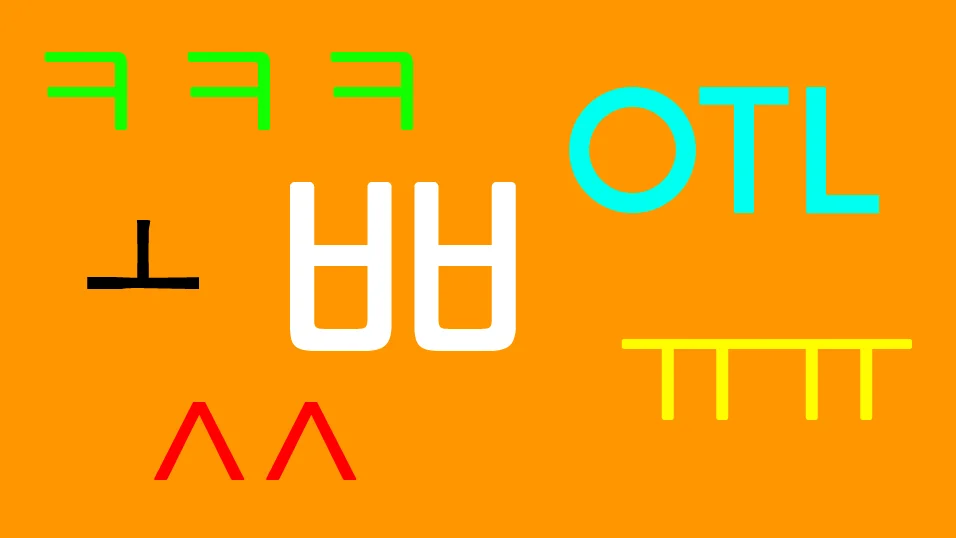
The Tt Emoticon transcends language barriers due to its visual representation of tears. Users worldwide interpret TT as sadness, crying, or an emotional response, regardless of native language. In Korean, it’s often written as ㅠㅠ, while in Western chats, Tt Emoticon is standard.
Its universality allows seamless communication in multicultural online communities, making it ideal for social media, international gaming, and forums. Copy-pasting the Tt Emoticon preserves its appearance across scripts and devices.
Understanding its interpretation in different cultures ensures proper use, avoiding miscommunication. This adaptability contributes to the global popularity of Tt Emoticon in expressing universal emotions digitally.
Common Mistakes While Using the Tt Emoticon
Many users make mistakes with Tt Emoticon usage, such as overusing it, placing it in formal contexts, or confusing it with playful variants like T_T. Misunderstanding the emotional intensity can lead to awkward or misinterpreted messages.
Copying and pasting the Tt Emoticon incorrectly can also distort its appearance, especially when combined with special characters. Using it excessively in long threads may reduce its emotional impact. Understanding the proper context, combining it with supportive text, and knowing audience expectations ensures the emoticon communicates the intended feeling. Being aware of these mistakes helps maintain clarity, emotional expression, and social appropriateness when using the Tt Emoticon online.
Why the Tt Emoticon Still Trends in 2025
Despite the rise of graphical emojis, the Tt Emoticon remains popular in 2025 due to its simplicity, nostalgia, and versatility. Users appreciate its minimalistic design and ability to convey emotion without relying on images. It works across devices, apps, and platforms, making it universally compatible.
Teenagers, gamers, meme communities, and social media users continue to adopt it for expressing sadness, frustration, or empathy. Copy-pasting Tt Emoticon allows consistent use in digital conversations.
Its ongoing trend highlights the enduring value of text-based emoticons in a graphical world, offering raw emotional expression and cultural continuity in online communication.
Creative Ways to Style the Tt Emoticon
Users creatively modify the Tt Emoticon to convey varying degrees of emotion. Adding extra T’s (e.g., TTT) exaggerates crying, while combining it with punctuation (TT;) or emojis (TT ) intensifies feelings. Stylized variations like lowercase tt or mixing with other emoticons increase personalization.
Copy-pasting these styled versions across chats, memes, or posts enhances expressiveness. Creative styling allows users to convey humor, sarcasm, or extreme sadness without typing lengthy messages. This adaptability is a reason for the sustained popularity of the Tt Emoticon in modern online communication and social media culture.
Similar Crying Text Faces Like the Tt Emoticon
There are many text-based crying faces similar to Tt Emoticon. Examples include T_T, ;_;, QQ, or Korean style ㅠㅠ. Each conveys sadness, frustration, or empathy, but with slight regional or contextual differences. Gamers and meme communities often blend these emoticons to match the tone of their messages.
Copy-pasting these variations alongside Tt Emoticon adds versatility to online conversations. Knowing alternatives ensures users can adapt to different digital spaces and maintain emotional clarity.
This collection of crying text faces highlights the creativity and diversity of textual emotional expression in modern online communication.
Complacent Emoji Meaning: The Hidden Message Behind It
How the Tt Emoticon Enhances Emotional Chatting
The Tt Emoticon enhances online chatting by providing an immediate, recognizable emotional cue. It allows users to express sadness, empathy, frustration, or disappointment without lengthy explanations. Its textual format ensures compatibility, quick copy-pasting, and seamless use across social media, messaging apps, and forums.
Combining Tt Emoticon with other emoticons, punctuation, or text increases the emotional depth of messages. It also strengthens connections in online communities by showing understanding and relatability.
The Tt Emoticon remains an essential tool for emotional digital communication, bridging gaps between cultures, ages, and platforms, making chats feel more personal, expressive, and engaging.
Fun Facts about Tt Emoticon
- The Tt Emoticon originated in early online forums in Asia, particularly Korea and Japan.
- It predates modern emojis and remains popular for its simplicity and universality.
- Teens and gamers frequently use it to react to both sad and humorous situations.
- Variations like TTT, TT , or lowercase tt allow creative emotional expression.
- The Tt Emoticon is widely recognized globally, bridging communication across cultures and languages.
Frequently Asked Questions about Tt Emoticon
What does the Tt Emoticon mean?
It represents crying, sadness, or emotional reactions in text-based conversations.
How is Tt Emoticon different from T_T?
While both show crying, T_T is often playful or exaggerated, whereas Tt Emoticon is more general or empathetic.
Can I use Tt Emoticon on social media?
Yes, it is widely used on Instagram, TikTok, Twitter, Discord, and messaging apps.
Is Tt Emoticon the same in other languages?
Yes, while symbols may vary slightly (e.g., ㅠㅠ in Korean), the meaning of sadness remains universal.
How do I copy and paste a Tt Emoticon?
Simply select TT, copy it, and paste it into messages, comments, or posts for consistent usage.
Conclusion of Tt Emoticon
The Tt Emoticon continues to thrive as a simple yet powerful tool for digital expression. Its text-based design allows users to convey sadness, empathy, or frustration without relying on images or emojis. With Tt Emoticon copy and paste, it is accessible across social media, messaging apps, and gaming platforms, maintaining emotional clarity and universality.
From humorous exaggerations to serious empathetic responses, the Tt Emoticon adds depth to online conversations. Its cultural significance, historical roots, and creative variations ensure it remains relevant in 2025 and beyond.
Understanding its meaning and proper usage allows users to enhance communication, connect emotionally, and maintain relatability in the evolving world of online interactions.
