

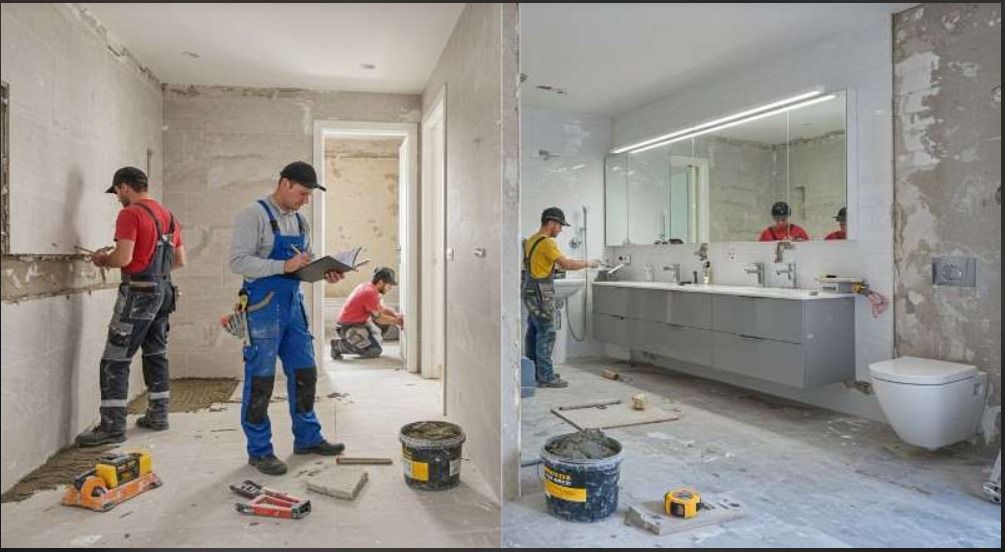
Bathroom remodels are one of the most common home improvements since they contribute comfort, utility, and value to a residence. You might be considering a minor renovation or a complete remodeling; however, knowing the cost would be important in budgeting and making decisions. Renovating a bathroom averages between 3000 dollars on the lower end to well over 40,000 dollars on the higher-end scales, depending on your average size of your bathroom. In the majority of cases, average customers of the companies spend 10 to 15 thousand dollars on a typical renovation with new plumbing, flooring, and finishing.
Less expensive projects, such as painting or replacing a vanity, can be completed, but a major bathroom overhaul with custom cabinetry, high-end tiles, and other luxury features ramps up the cost. Other factors that determine the final price are labor and plumbing changes, as well as location. Educating yourself in advance about these expenses can help homeowners design suitable financial plans, make priorities and trade-offs between style and economy, and budget accordingly to make a planned bathroom remodel.
Average Cost of a Bathroom Renovation
The bathroom remodeling prices will vary according to the extent of it:
- Minor Remodel (cosmetic upgrades including changing the fixtures, repainting, updating the lights): 3000$ – 7000$
- Mid-range Remodel (replacing flooring, vanity, shower, or bathtub with normal finishes): $8,000 to $15,000
- High-end Remodel (upscale custom cabinets, quality tiles, superior fixtures and equipment, and advanced functionality): $20,000-$40,000 and above
The average cost of a standard bathroom renovation is roughly 10,000 to 15,000 dollars, but other renovations may be quite high and expensive. To arrive at these costs, contractors and homeowners often rely on a Construction Takeoff, which details the required materials, labor, and quantities for the project. This step provides a clearer picture of where expenses will go and helps prevent budget surprises later.
Key Factors That Affect Bathroom Renovation Costs
The overall cost of a bathroom remodel depends on several factors.
Size of the Bathroom
The bigger the bathroom, the greater the number of materials (tiles, paint, flooring) and fixtures it will demand. A half bath will be much cheaper to remodel than a large master bath.
Scope of Work
- Partial Renovation: It is not expensive when it comes to simply replacing a toilet, vanity, or faucet.
- Full Renovation: This is referred to as the complete removal of old fittings, the re-piping, or the addition of new fittings and finishes, as it increases the labor and material costs.
Quality of Materials

The choice of materials also has a serious impact on the price. Ceramic tiles are cheap, and natural stone or marble is much more costly. The ready-made vanities are inexpensive as opposed to the custom cabinetry.
Labor Costs
The labor cost is usually between 40 and 60% of the rehabilitation budget. Getting contractors, plumbers, and electricians who have experience guarantees quality, but they are expensive. For those in Gainesville, FL, finding a trusted team for Gainesville FL kitchen remodeling can also provide insights into quality bathroom renovations, ensuring that both kitchen and bathroom projects are handled with expertise and care.
Location
Prices also depend on the area. The costs of repairs in metro areas tend to be higher since prices of materials and labor increase.
Cost Breakdown by Component
To get a better idea of the cost of bathroom remodeling, take a look at the average prices of some of the biggest parts of a bathroom:
- Bathtub Installation: $1,000 – $5,000 (depending on style and material)
- Shower Installation: $2,000 – $8,000 (walk-in showers with glass enclosures cost more)
- Toilet Replacement: $200 – $800
- Vanity and Sink: $500 – $3,500
- Flooring: $1,000 – $4,000 (ceramic tiles are cheaper, natural stone is more expensive)
- Plumbing Work: $1,000 – $4,000 (more if relocating pipes)
- Lighting Fixtures: $200 – $1,000
- Painting: $300 – $1,000
- Cabinetry/storage: $500 – $3,000
- Waterproofing: $500 – $1,500
All these costs may run high depending on the choices of finishes and amenities.
Hidden Costs to Consider
Renovating the bathroom will always have some additional cost, which is not visible:
- Structural Problems: Old houses have a tendency to show wood rot and mold, as well as outdated wiring, when the demo is conducted.
- Plumbing Repairs: Worn-out pipes can be replaced, or poor pipes that leak water might need to be repaired.
- Permits and Checks: Your local codes may require a permit to do plumbing or electrical work, which will increase the expenses.
- Disposal and Clean up: Clearing the old fixtures and materials may cost an extra of up to 300 to 800 dollars.
Such hidden costs are accounted for and prevent budget overruns and delays.
How to Save Money on a Bathroom Renovation
The remodeling of bathrooms does not have to be too expensive. Here are ways of saving without losing quality:
- Keep the Same Layout: Moving plumbing and wiring is costly. Permanent installation of fixtures saves money.
- Mid-range Materials: Select mid-range materials, such as quality tiles, vanities, and fixtures, with prices that do not stretch your budget.
- Refinish Instead of Replace: Bathtubs can be reglazed, cabinets painted; it costs less to do so than to buy a new one.
- Small DIY Jobs: Repainting, tearing out old fittings, or fitting shelves are all jobs that one could DIY.
- Shop Economically: Discounts and closeouts, as well as gently worn appliances, are available.
You can make a chic bathroom update without having to break the bank as long as proper forethought is adopted.
Return on Investment (ROI)
Remodeling toilets makes them more comfortable in addition to adding value to the property. As per real estate experts, a medium-level bathroom refurbishment should give a 60 to70 % return on investment when you put the house in the market, and an upscale renovation 55 to60 %. This is why it is one of the most effective investments in the remodeling of bathrooms.
Budgeting Tips for Bathroom Renovation
The following are budgeting tips to help you avoid financial surprises:
- To ensure that you do not spend more than you find, contribute 10-15 percent of the budget to unforeseen expenditures.
- Do at least three quotations with different contractors before you begin.
- Pick and choose what is necessary (plumbing, waterproofing) instead of what is luxurious (heated floors, smart mirrors).
- Write out a comprehensive contract that spells out the scope, materials, and cost.
Adequate budgeting is the key that makes sure that the renovation is carried out effortlessly and within your budget.
When to Hire Professionals

Not all DIY will save you money when remodeling your bathroom reconstruction; professional skills may be needed.
- Plumbers and Electricians are vital to rearrange the pipes, set the lights, and bring the place up to code.
- The Diyers may not be competent in providing the precision that is offered by tile installers.
- Contractors are in charge of taking care of the entire project so that the deadlines and the financial budgets are maintained.
Using non-professionals to cut corners may bring about leakages, electric shock, and eventual repair costs at a later date.
Conclusion
The price of a bathroom renovation depends on the type of job, and can range between 3000 dollars for a standard renovation to 40000 or more dollars for luxury bathrooms. Knowing how the money is used and preparing beforehand enables the homeowners to come up with a realistic budget. With careful planning to ensure the renovation focuses on improvements that are most necessary, using hardy yet cost-effective materials, and employing qualified workers, a bathroom remodeling can bring newfound comfort and financial benefit to your household.
FAQs
What is the cheapest way to renovate a bathroom?
The most cost-effective option is to change nothing, only repaint fixtures and use low-priced tiles and vanities.
How long does a bathroom renovation take?
A small remodel could be done in 1-2 weeks, whereas a complete make-over can take 4-6 weeks based on the complexity and availability of the contractors.
