

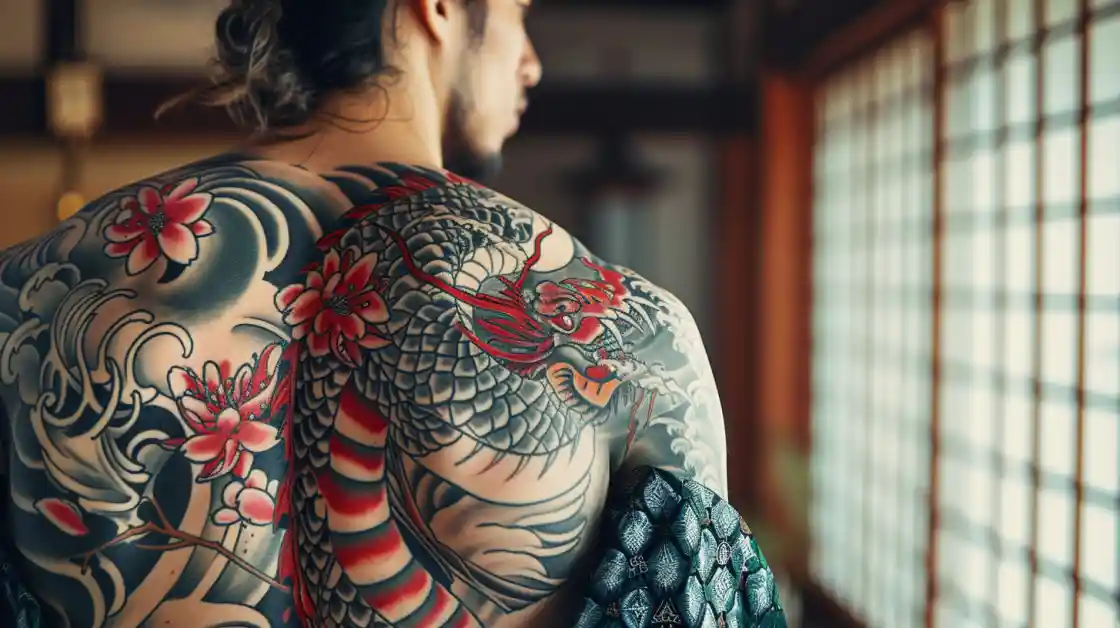
Imagine walking into an accounting firm with a vibrant tattoo peeking out from your sleeve. In New Zealand, it’s no big deal—tattoos are a common way to express identity or tell a story. But in Japan, tattoos have a complex history, swinging from revered art to social taboo. For Kiwis curious about Japan’s tattoo culture, this article dives into its rich past and evolving present, offering a glimpse into a world where ink carries deep cultural weight.
A Deep-Rooted Tradition
Tattoos in Japan date back thousands of years, with evidence suggesting early Jomon period (10,000–300 BCE) inhabitants marked their skin, possibly for spiritual or decorative reasons. By the Edo period (1603–1868), Japanese tattoos, known as irezumi (meaning “inserting ink”), became an art form. Skilled artisans crafted full-body masterpieces using hand-poking techniques, depicting mythical dragons, koi fish, cherry blossoms, and samurai. These weren’t just tattoos; they were symbols of strength, loyalty, or spiritual beliefs, much like how Māori tā moko in New Zealand carries cultural significance.
Back then, tattoos were popular among working-class folks—merchants, artisans, even firefighters—who wore them as badges of pride or group identity. A firefighter might sport a bold design to show courage, similar to how a Kiwi might get a fern tattoo to celebrate their heritage. But tattoos also had a darker side. Criminals were sometimes marked with punitive tattoos, branding them as outcasts. This mix of admiration and stigma set the stage for tattoos’ complicated reputation in Japan.
From Art to Outcast
Things changed in the Meiji era (1868–1912) when Japan opened to the West and aimed to modernise. In 1872, the government banned tattooing, calling it uncivilised to align with Western ideals. Overnight, Irezumi went underground. This ban didn’t stop everyone—tattooing continued in secret, but it became tied to the yakuza, Japan’s organised crime groups. For New Zealanders, where tattoos are mainstream, it’s hard to imagine a blanket ban, but in Japan, this shift turned tattoos into a symbol of rebellion.
The yakuza embraced tattoos as a mark of loyalty and toughness. Members often covered their bodies with intricate designs, hidden under clothing, as a sign of commitment to their group. Think of it like gang tattoos in other cultures, but with a level of artistry that’s jaw-dropping. These full-body tattoos took years to complete, showing dedication and endurance. Yet, this link with crime cemented tattoos’ negative image, making them something many Japanese associated with danger or distrust.
Tattoos in Today’s Japan
Fast forward to today, and tattoos still carry a stigma in Japan. If you’re a tattooed Kiwi, you might be shocked to learn that many public places—like onsen (hot springs), gyms, or pools—ban people with tattoos. The fear? You might be yakuza, or your ink might intimidate others. In New Zealand, where tattoos are a normal part of life, this feels like a step too far. But in Japan, this stigma comes from that historical tie to crime, and it’s only slowly starting to fade.
Younger Japanese are changing the game. Influenced by global pop culture, Western celebrities, and social media, tattoos are gaining traction as fashion or self-expression. Modern tattoo artists use electric machines, offering everything from minimalist designs to anime-inspired art. It’s not unlike New Zealand’s tattoo scene, where people might get a small kiwi or a meaningful quote. But in Japan, tattoos are often kept small and hidden to avoid judgment, especially at work or in conservative settings.
Legal and Social Challenges
Tattooing in Japan sits in a legal grey area. A 2001 court ruling labelled it a medical procedure, meaning artists technically need a medical licence. This rule isn’t always enforced, but it keeps many tattooists underground, unlike New Zealand’s open, regulated tattoo industry. For Kiwi travellers thinking of getting inked in Japan, this means doing your homework to find reputable artists who operate safely and discreetly.
Socially, attitudes are shifting, but it’s a slow process. Younger generations see tattoos as cool, much like Kiwis do, but older generations and traditional businesses often don’t. Some workplaces ban visible tattoos, and public campaigns, like those before the 2020 Tokyo Olympics, pushed for tattoo-friendly policies to welcome tourists. Still, change is gradual. For now, tattoos in Japan remain a balancing act between personal expression and social norms.
Tips for Tattooed Kiwis in Japan
If you’re a New Zealander with tattoos planning a trip to Japan, you’ll need to navigate some cultural differences. Many onsen and public baths have strict no-tattoo rules, rooted in that yakuza association. Some places offer private bookings or tattoo-friendly hours, so check ahead. Covering your tattoos with bandages or clothing can also help, especially in traditional settings. It’s a small hassle, but respecting local customs makes for a smoother trip. Coming from New Zealand’s tattoo-friendly culture, this might feel odd, but it’s part of understanding Japan’s unique history.
When visiting, you might notice Japan’s tattoo scene is vibrant but discreet. Modern studios cater to locals and tourists alike, offering everything from traditional irezumi to contemporary designs. If you’re keen to get a tattoo, research artists carefully—many operate in private studios due to legal restrictions. The artistry is world-class, often rivalling the skill seen in New Zealand’s top tattoo parlours.
A Culture in Transition
Japan’s tattoo culture is a fascinating mix of history, art, and social complexity. For New Zealanders, where tattoos are a celebrated part of identity, Japan’s journey from sacred irezumi to taboo and back towards acceptance is eye-opening. The intricate designs of the Edo period, the underground years of the yakuza, and today’s cautious embrace of tattoos show a society grappling with tradition and modernity.
As a Kiwi, you might see parallels with how tattoos tell stories in both cultures, from tā moko to irezumi. But Japan’s strict social norms remind us that ink carries different meanings across the world. Whether you’re admiring a full-body irezumi or a discreet modern design, Japan’s tattoo culture is a testament to its ability to honour the past while inching towards change. If you’re planning a trip, pack some respect for these norms alongside your sense of adventure, and you’ll find Japan’s tattoo story as captivating as its art.
