

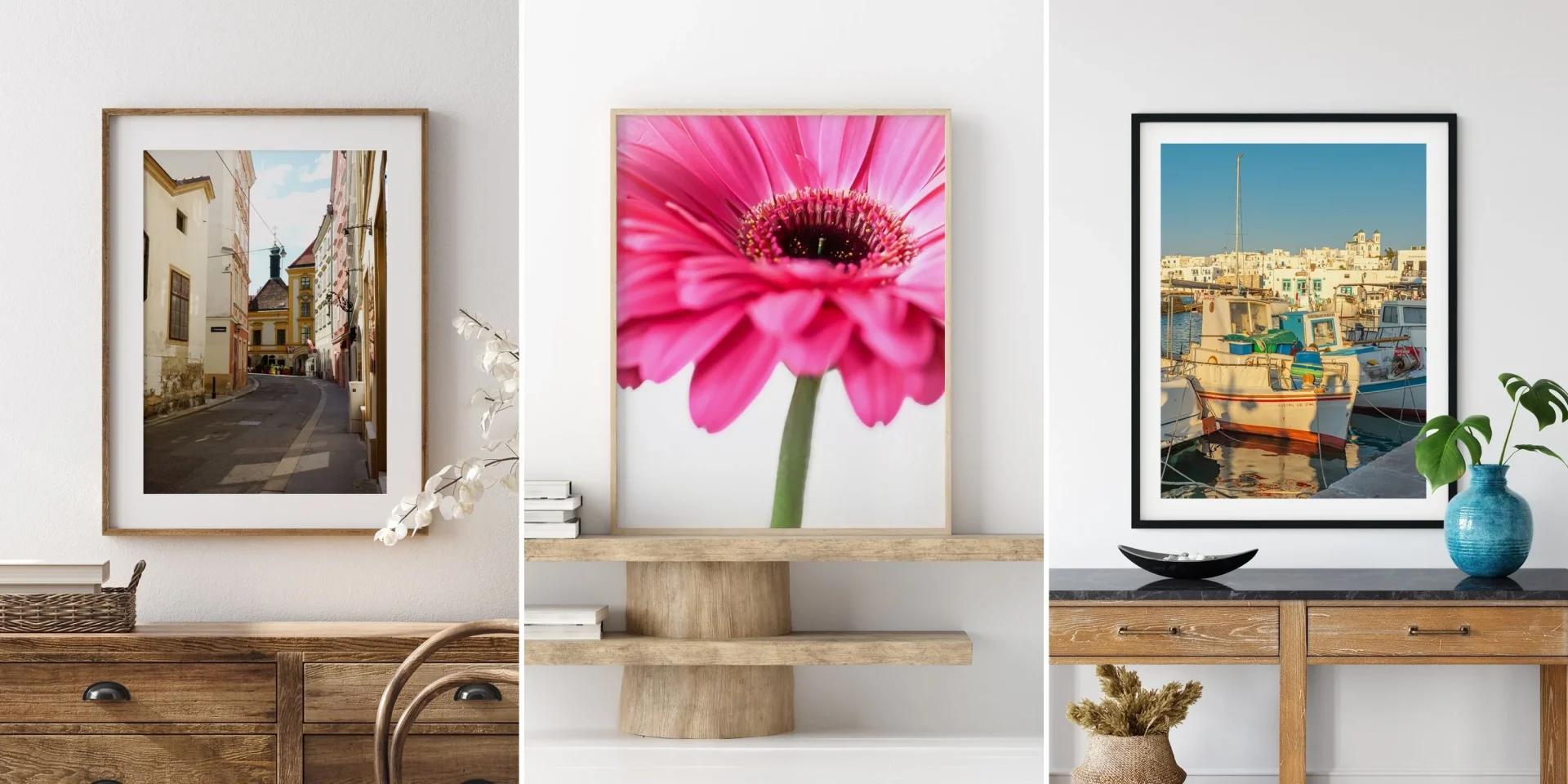
The differences between fine art printing and regular printing are vast and significant. These differences encompass various aspects such as quality, materials, processes, and intended uses.
Understanding these distinctions is crucial, especially for artists, photographers, and anyone looking to produce high-quality prints of their work. This article delves into the key differences between fine art printing and regular printing, highlighting why these differences matter.
1. Definition and Purpose
Fine Art Printing
Fine art printing, also known as giclée printing, is a process aimed at producing high-quality prints that closely resemble the original artwork. This type of printing is often used for creating reproductions of paintings, photographs, and digital art with the highest fidelity.
The primary goal is to produce prints that are suitable for display in galleries, museums, and high-end collections. Fine art prints are valued for their precision, color accuracy, and longevity.
Regular Printing
Regular printing, on the other hand, refers to standard printing methods used for everyday items such as brochures, flyers, business cards, and office documents. This type of printing focuses on efficiency, cost-effectiveness, and quick turnaround times. While regular printing can produce decent quality for its intended use, it does not aim for the same level of detail or longevity as fine art printing.
2. Materials and Inks
Fine Art Printing
One of the hallmarks of fine art printing is the use of archival-quality materials. Fine art prints are typically made on high-quality, acid-free paper or canvas that ensures the print’s durability and resistance to fading over time.
The inks used in fine art printing are pigment-based rather than dye-based, providing superior color accuracy, depth, and resistance to environmental factors such as UV light and humidity.
Regular Printing
Regular printing generally uses standard paper and dye-based inks. The paper quality can vary widely, ranging from basic copier paper to slightly higher-grade paper used for marketing materials. Dye-based inks are suitable for many everyday printing needs but lack the longevity and color stability of pigment-based inks. Over time, prints made with dye-based inks are more prone to fading and discoloration.
3. Printing Technology
Fine Art Printing
Fine art printing utilizes advanced inkjet technology, often with printers that have more ink cartridges to handle a wider color gamut. This technology allows for precise control over ink placement, resulting in high-resolution prints with fine details and smooth gradients. The printers used for fine art printing can handle large formats and are designed to produce consistent results across multiple prints.
Regular Printing
Regular printing can be performed using various methods, including laser printing, offset printing, and basic inkjet printing. These technologies are optimized for speed and cost-efficiency rather than the highest possible quality. While modern regular printers can produce good results, they are not designed to match the precision and color accuracy of fine art printers.
4. Color Management
Fine Art Printing
An important component of fine art printing is color management. Professional fine art printers use sophisticated color calibration tools to ensure that the printed output matches the original artwork as closely as possible. This involves using ICC profiles, color calibration software, and regularly calibrated monitors. The goal is to achieve color consistency and accuracy from the digital file to the final print.
Regular Printing
Color management in regular printing is generally less rigorous. While some level of color calibration may be used, it is not as detailed or precise as in fine art printing. The emphasis is on producing acceptable color reproduction quickly and affordably. As a result, there can be noticeable differences in color between the digital file and the printed output.
5. Resolution and Detail
Fine Art Printing
Fine art printing excels in delivering high resolution and exceptional detail. The printers used in this process can produce prints at very high resolutions, often exceeding 1440 DPI (dots per inch). This high resolution ensures that even the smallest details of the original artwork are captured accurately, making fine art prints suitable for close-up viewing and critical examination.
Regular Printing
Regular printing typically operates at lower resolutions, around 300 DPI for most standard print jobs. While this is sufficient for everyday printing needs, it does not provide the same level of detail and clarity as fine art printing. Fine details may be lost, and the overall sharpness of the print can be lower compared to fine art prints.
6. Longevity and Durability
Fine Art Printing
Longevity is a key consideration in fine art printing. The combination of archival-quality materials and pigment-based inks ensures that fine art prints can last for decades, if not centuries, without significant degradation. This durability makes fine art prints ideal for collectors and institutions that require long-lasting artworks.
Regular Printing
Regular prints are not designed with longevity in mind. The materials and inks used are more susceptible to fading, yellowing, and deterioration over time. For temporary or short-term use, regular printing is adequate, but it is not suitable for creating lasting keepsakes or artworks.
7. Cost and Accessibility
Fine Art Printing
Due to the high-quality materials, advanced technology, and meticulous processes involved, fine art printing is generally more expensive than regular printing. This higher cost reflects the value placed on producing prints that are true to the original artwork and built to last. Fine art printing services are often sought by artists, photographers, and collectors who prioritize quality over cost.
Regular Printing
Regular printing is much more affordable and accessible, making it the go-to choice for everyday printing needs. The lower cost is achieved by using standard materials and efficient production methods. While the quality is sufficient for many applications, it does not match the premium standards of fine art printing.
8. Intended Use and Audience
Fine Art Printing
Fine art prints are intended for display in professional settings such as galleries, museums, and high-end retail environments. They are often purchased by art collectors, interior designers, and art enthusiasts who appreciate the high quality and longevity of the prints. The audience for fine art prints values precision, detail, and fidelity to the original artwork.
Regular Printing
Regular prints serve a wide range of purposes, from business and marketing materials to personal documents and casual photography. The audience for regular prints is broad and diverse, including businesses, students, and general consumers. The focus is on practicality, affordability, and quick turnaround times.
Choosing Between Fine Art Printing and Regular Printing for Your Needs
The differences between fine art printing and regular printing are substantial, encompassing materials, technology, quality, and intended use. Fine art printing is characterized by its commitment to producing high-fidelity, long-lasting prints that closely replicate the original artwork, using archival-quality materials and advanced printing technology.
