



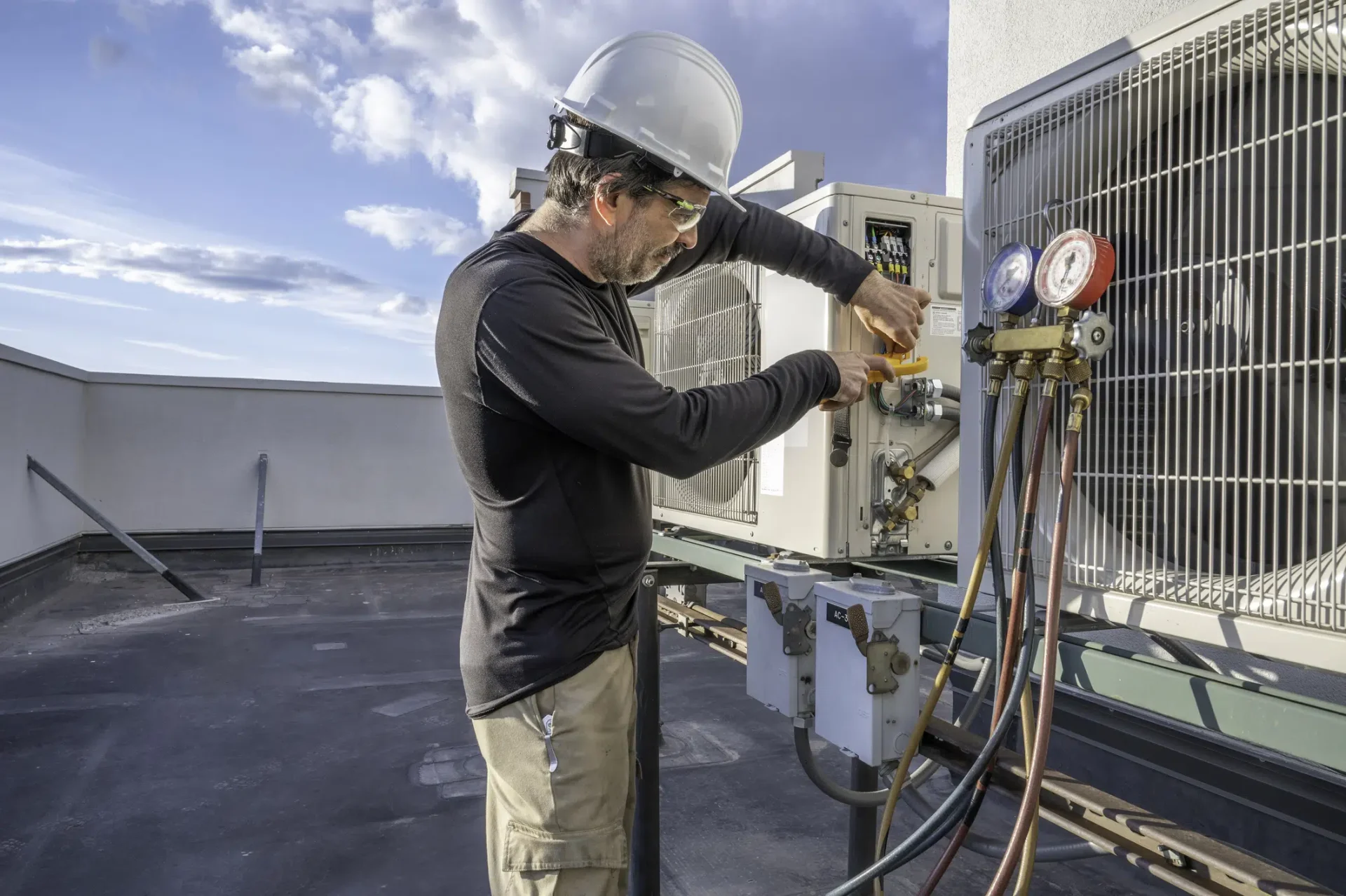
Commercial buildings rely heavily on stable climate control systems to maintain comfort, efficiency, and uninterrupted operations. Office towers, hospitals, shopping centers, and industrial facilities all depend on properly functioning heating and cooling equipment to support both occupant comfort and equipment performance. However, many HVAC failures are not caused by mechanical defects but by avoidable electrical specification mistakes made during installation.
When designing or wiring an HVAC system, electrical planning is just as important as selecting the correct heating or cooling capacity. Problems such as improper breaker sizing, inaccurate load calculations, voltage mismatches, and poor grounding can reduce efficiency, damage equipment, and increase maintenance costs. Understanding these common pitfalls helps improve long-term reliability and operational stability.
Understanding the Electrical Demands of Commercial HVAC Equipment
Commercial HVAC systems operate under far heavier electrical loads than most residential systems. Rooftop units, chillers, pumps, air handlers, and ventilation systems all require stable electrical supply to operate efficiently.
Modern HVAC equipment also depends heavily on advanced electronics such as:
- Variable frequency drives
- Automation controls
- Smart thermostats
- Sensors and monitoring systems
These technologies improve energy efficiency and performance but also increase sensitivity to electrical instability.
Why Electrical Coordination Matters
When electrical specifications do not match equipment requirements, the effects can extend beyond simple inefficiency. Voltage imbalance, overloaded circuits, and poor grounding may gradually damage motors and control boards while increasing energy consumption and reducing equipment lifespan.
Many building owners invest heavily in premium HVAC equipment but underestimate the importance of properly designed electrical infrastructure. Even advanced systems may perform poorly if the supporting power distribution system is not correctly planned.
Incorrect Load Calculations
One of the most common HVAC installation mistakes involves inaccurate electrical load calculations. HVAC systems rarely operate at perfectly constant demand levels. Startup conditions, fluctuating cooling loads, and simultaneous equipment operation all create varying power requirements throughout the day.
Startup Current Is Often Overlooked
Compressors and motors typically draw much higher current during startup than during normal operation. If temporary inrush current is ignored, undersized conductors and protective devices may lead to:
| Problem | Potential Impact |
| Undersized conductors | Overheating and voltage drop |
| Inadequate breaker sizing | Nuisance tripping |
| Long cable runs | Reduced efficiency |
| Poor future capacity planning | Expensive upgrades later |
Careful planning during the design stage helps reduce these risks while improving long-term system stability.
Improper Circuit Breaker Selection
Circuit protection plays a major role in HVAC safety and reliability. Different HVAC components behave differently under electrical load conditions, so breaker selection must match the characteristics of the connected equipment.
Why Breaker Coordination Matters
Motors and compressors often create temporary startup surges. If a breaker is too sensitive, it may trip unnecessarily even when the equipment is operating normally. Repeated nuisance tripping can interrupt operations, increase service calls, and reduce confidence in system reliability.
Oversized breakers create different risks. If protection devices are too tolerant, they may fail to interrupt dangerous fault conditions quickly enough, increasing the risk of conductor damage or overheating.
Proper breaker selection should consider startup behavior, motor requirements, and coordinated protection across the entire HVAC installation.
Voltage Compatibility Problems
Voltage mismatches remain a major source of HVAC performance issues in commercial installations. Commercial systems may operate on different voltage configurations such as 208V, 230V, 400V, or 480V, often using three-phase power.
If supplied voltage does not match equipment specifications, motors and electronic controls may operate inefficiently or fail prematurely.
Effects of Voltage Imbalance
Even small voltage imbalances in three-phase systems can create serious operational problems, including:
- Motor overheating
- Reduced cooling efficiency
- Excessive vibration
- Unexpected shutdowns
- Shortened equipment lifespan
Installers should always verify equipment nameplate data, transformer configurations, and utility supply conditions before completing final system connections.
Poor Grounding and Bonding Practices
Grounding is one of the most overlooked parts of commercial HVAC installation, yet it plays a critical role in both safety and equipment protection.
Proper grounding helps stabilize electrical performance, reduce shock hazards, and improve surge protection effectiveness. Poor grounding, however, may create unpredictable electrical behavior that is difficult to diagnose.
Common Grounding Issues
Loose grounding connections, corroded conductors, and incorrect bonding methods can increase vulnerability to electrical faults and transient voltage events. Since modern HVAC systems rely heavily on sensitive electronics and communication controls, stable grounding has become increasingly important for maintaining reliable operation.
Inadequate Surge Protection for HVAC Systems
Modern HVAC systems contain sophisticated electronic components that are vulnerable to voltage surges. Smart thermostats, sensors, automation controls, and variable frequency drives may all be damaged by sudden transient overvoltage events.
Power surges may originate from lightning strikes, utility switching, internal equipment cycling, or sudden power restoration after outages.
Why Surge Protection Matters
Without coordinated surge protection, repeated voltage spikes can gradually weaken sensitive electronics and lead to expensive failures. Proper protection helps:
| Benefit | Explanation |
| Protect electronics | Reduces equipment damage |
| Improve reliability | Supports stable HVAC operation |
| Lower maintenance costs | Prevents repeated component failures |
As HVAC systems become more automated and interconnected, surge protection becomes increasingly important for long-term reliability.
Cable Sizing and Installation Errors
Improper conductor sizing is another frequent issue in commercial HVAC projects. Undersized cables may overheat under heavy load conditions, creating both safety risks and efficiency losses.
Excessive voltage drop caused by improper cable sizing can reduce motor performance and increase electrical stress throughout the system. Over time, this additional stress may shorten equipment lifespan and increase maintenance requirements.
Environmental factors must also be considered during installation. Temperature, moisture exposure, conduit fill capacity, and mechanical protection requirements all influence cable performance and durability.
Coordinating Multiple HVAC Components
Commercial HVAC systems often involve multiple interconnected systems operating together. Rooftop units, chillers, pumps, automation controls, and air handling systems must all coordinate properly to maintain stable operation.
Poor coordination may create startup conflicts, communication failures, overlapping protection settings, and power distribution imbalance. Integrated planning helps ensure all components operate efficiently while simplifying maintenance and troubleshooting.
Supporting Long-Term HVAC Reliability
Modern commercial buildings demand HVAC systems that are efficient, reliable, and capable of supporting advanced automation technologies. Proper electrical planning plays a major role in achieving these goals. Well-designed electrical infrastructure helps improve equipment lifespan, reduce downtime, lower maintenance costs, and support energy efficiency. As buildings continue adopting connected controls and smart monitoring systems, stable electrical performance becomes even more important.
Electrical manufacturers continue developing technologies that support safer and more reliable HVAC infrastructure. Modern electrical solution providers, including CHINT, continue developing technologies that improve power management, operational stability, and equipment protection across commercial HVAC infrastructure projects.
Conclusion
Electrical specification mistakes can significantly affect the performance, safety, and reliability of commercial HVAC installations. Problems such as inaccurate load calculations, poor grounding, improper breaker selection, voltage mismatches, and inadequate surge protection may all contribute to operational disruption and equipment damage.
By carefully reviewing electrical requirements and coordinating protection systems correctly, you can help ensure that your HVAC system operates safely and efficiently over the long term. As commercial buildings continue adopting smarter technologies and advanced climate control systems, proper electrical planning remains one of the most important foundations of reliable HVAC performance.


