

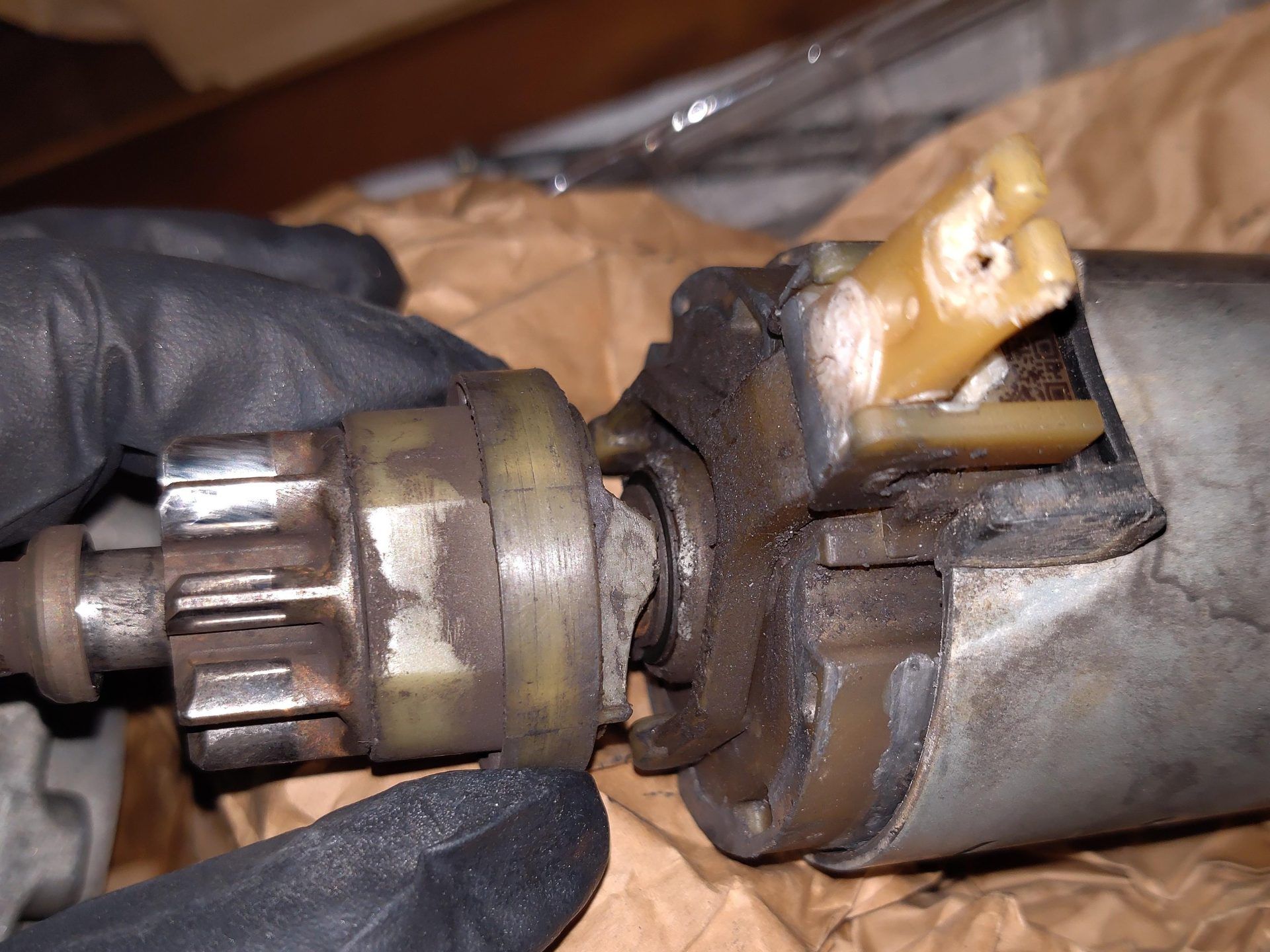
We have all experienced that deeply frustrating, highly specific moment of household defeat. You are pulling your reliable, heavy-duty canister vacuum out of the hall closet. It catches slightly on the doorframe, you give the hose an impatient tug, and snap. The plastic locking latch connecting the flexible hose to the main canister cracks in half.
You plug the machine into the wall, and the motor roars to life with the exact same aggressive power it has possessed for a decade. But because of a two-inch piece of broken plastic, the physical seal is compromised. The suction escapes harmlessly into the room, and the floor nozzle picks up absolutely nothing. The machine is effectively dead.
In the modern era of hyper-consumerism, our immediate reaction to this scenario is to drag the entire heavy appliance to the curb. We mentally write off the machine and start browsing the internet for a shiny, $400 replacement. But if we pause and think about the sheer mechanical absurdity of that decision, a glaring problem emerges. We are throwing away a perfectly calibrated, heavy-copper electric motor—a piece of sophisticated engineering designed to last twenty years—simply because a ten-cent piece of molded plastic failed.
The Golden Age of Generational Engineering
To understand why this is a tragedy, we must look at how high-end vacuums were historically manufactured. If you own a premium European-style canister vacuum built anytime between the late 1990s and the 2010s, you likely own a mechanical masterpiece.
These legacy brands built their global reputations on impenetrable sealed motor housings, incredible airflow physics, and robust electrical components. These machines were not designed to be disposable commodities; they were engineered to be generational tools. The motors inside these heavy canisters are often capable of running for tens of thousands of hours without a single hiccup.
However, the peripheral accessories—the flexible hoses, the spinning floor brushes, the telescopic metal wands, and the connection latches—bear the absolute brunt of physical household abuse. They are dragged up hardwood stairs, slammed into baseboards, chewed on by pets, and stepped on by children. They are the sacrificial bumpers of the appliance world. They are meant to take the damage so the motor does not have to.
The Anatomy of a Peripheral Failure
When an older vacuum appears to “die,” it is rarely a catastrophic electrical failure. The friction points are almost entirely mechanical and easily identifiable:
- The Drive Belt: The rubber belt that spins the agitator brush stretches out under the intense heat and friction of thousands of revolutions per minute. When it stretches, it slips, meaning the brush stops spinning when it hits the carpet.
- The Brush Roll: The stiff nylon bristles physically wear down over time, just like the tread on a car tire. When they get too short, they can no longer reach into the carpet pile to dig out embedded dirt.
- The Seals and Gaskets: Rubber O-rings dry out and crack, causing microscopic air leaks that devastate the machine’s overall water-lift (suction) power.
The Economics of the Fix
For a long time, manufacturers made it intentionally frustrating to fix these peripheral failures. They wanted the cracked plastic wand to trigger a brand-new, highly profitable appliance purchase. This aggressive push toward planned obsolescence generated millions of tons of unnecessary electronic waste.
Fortunately, the “Right to Repair” movement and the democratization of e-commerce have completely inverted this dynamic. Today, you do not need to be a certified electrician or an appliance mechanic to fix a vacuum cleaner. The internet has unlocked access to the exact schematics and parts required to keep legacy machines running indefinitely.
Whether you are diagnosing a shattered floor nozzle, replacing a stretched belt, or looking for specific electrolux vacuum replacement parts, the secondary market for component hardware has become incredibly sophisticated. With a standard Phillips-head screwdriver, a five-minute online video tutorial, and a twenty-dollar replacement part, almost any peripheral failure can be remedied directly on your living room floor.
The Illusion of the “Upgrade”
Many consumers justify throwing away the old machine by convincing themselves that modern technology is inherently better. They are lured by the promise of sleek, bagless convenience or lightweight, battery-powered stick vacuums.
But from a pure performance standpoint, replacing a corded legacy canister with a modern battery-operated stick is often a functional downgrade. Older corded motors generate significantly higher airflow metrics. High-end bagged systems actually compress dirt and physically seal it away, whereas bagless systems frequently expose the user to a plume of fine dust every time the bin is emptied over the kitchen trash can. Furthermore, that sleek new cordless vacuum is entirely dependent on a lithium-ion battery that will inevitably degrade and die within three to five years, starting the expensive consumer cycle all over again.
The next time your heavy-duty vacuum cleaner stops picking up dirt or suffers a cracked hose, resist the urge to immediately reach for your credit card. Unplug the machine, flip it over, and diagnose the actual point of failure. By choosing to repair rather than replace, you are saving hundreds of dollars, refusing to participate in a cycle of disposable engineering, and keeping a phenomenal piece of machinery exactly where it belongs: working hard in your home.
