

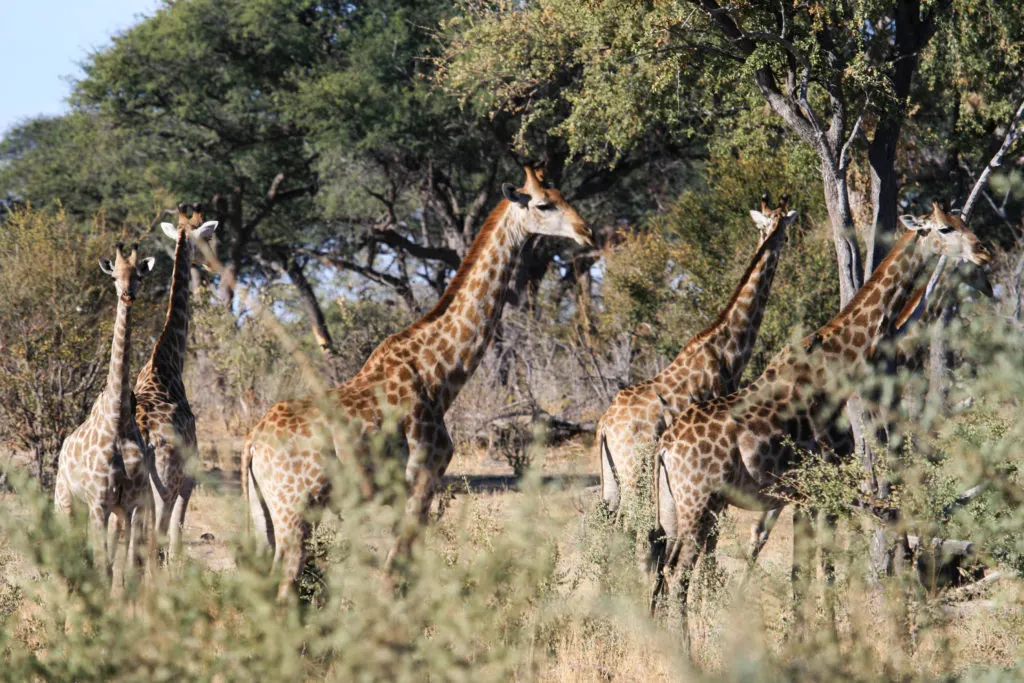
If you’ve been daydreaming about lions in golden grass, elephants crossing a dusty road, and that quiet “wow” moment when you realize you’re seeing all of it in real life, you’re not alone. The tricky part is that booking a safari can feel oddly intimidating from the US. Too many routes, too many lodge options, and a lot of vague “luxury” language that does not help you make decisions.
The good news is that planning is simpler than it looks once you follow a clear order of operations. In this guide, you’ll learn how to book an African safari from the US in a way that fits your budget, your comfort level, and the kind of wildlife experience you actually want, not the one that looks best on someone else’s Instagram.
Step 1: Pick the Safari Style Before You Pick the Country
Most safari decision stress comes from choosing a destination too early. Start with the style, because the style determines the best location, the best season, and the best trip length.
Here are the most common safari styles:
Classic “Big Five” game drives
This is what most people picture: twice-daily drives in open or pop-top 4x4s, tracking lions, leopards, elephants, rhinos, and buffalo. This is widely available across southern and eastern Africa.
Great Migration-focused safari
If you want huge herds of wildebeest and zebra, you’re typically looking at Kenya (Maasai Mara) and Tanzania (Serengeti). Timing matters more here than almost anywhere else, and peak windows often align with the broader dry season.
Safari plus beaches
If you want wildlife and downtime, think Kenya plus the coast, or Tanzania plus Zanzibar, or even South Africa plus a beach extension. This is one of the easiest ways to make a longer travel day feel “worth it.”
Fly-in lodge safari
You skip long bumpy drives between parks and take small planes to remote camps. This is usually higher cost, but it saves time and often delivers a more exclusive feel.
Self-drive safari (more planning, more freedom)
Most realistic for places with strong infrastructure like South Africa’s Kruger region. It’s not “better” than guided safaris, just different.
Once you pick your style, you can choose the destination that matches it instead of forcing the destination to match you.
Step 2: Choose a “First Safari” Destination That Fits Your Comfort Level
If you are booking your first trip, aim for a place with reliable logistics, strong guiding culture, and a solid range of lodging options.
A simple way to decide is to match destination to priorities:
- Best for iconic savannah scenes and migration energy: Kenya and Tanzania, especially in drier months when wildlife viewing is strong.
- Best for an easier route and lots of variety (city, wine, scenery, safari): South Africa, with Kruger as the safari anchor.
- Best for “remote and wild” vibes: you can absolutely do this, but it’s usually better once you know what you like (driving time, camp style, pacing).
If your biggest fear is “I’ll spend the whole time in a car,” pick a plan that minimizes road transfers. If your biggest fear is “I’ll be bored,” pick a plan with a mix of parks or add a cultural or city stop at the start.
Step 3: Lock in the Season (This Is Where Value Lives)
Safari pricing and experience can swing massively by season. As a rule, dry season safari months are popular because animals congregate around water and vegetation is thinner, which makes viewing easier.
For East Africa (Kenya/Tanzania), many itineraries focus on windows that include mid-June through late October, with additional strong periods earlier in the year depending on region and rainfall patterns.
Two practical tips here:
- If you want the “best of the best,” book peak dry season and accept higher prices.
- If you want strong wildlife viewing with fewer crowds and better deals, look at shoulder season and ask a specialist what the rains are like for the specific area you’re considering (not just the country).
Step 4: Decide Your Budget the Right Way (It’s Not Just “Per Night”)
When people underestimate safari cost, it’s usually because they price lodges but forget the full stack:
- International flights from the US
- In-country flights or long transfers
- Park fees and conservancy fees
- Guide and vehicle costs (often baked into lodge rates)
- Tips
- Travel insurance
- Visas and required documents
- Vaccines or prescriptions depending on your route and health plan
A helpful way to budget is to decide what you care about most:
- If you want great wildlife time, spend on guides and location.
- If you want comfort, spend on camp quality and fewer transfers.
- If you want photos, spend on the right vehicle setup and time in one excellent area.
You can have a “luxury feel” without paying top-tier prices if you prioritize experience over brand-name properties.
Step 5: Choose How You’ll Book (DIY vs Safari Specialist)
When you book an African safari from the US, you have two main paths.
Option A: Use a reputable safari specialist
This is often the easiest route for first-timers because a good planner will:
- match you to the right region for your goals
- build a realistic pacing plan
- handle lodge holds, transfers, and backup options
- flag seasonal issues you wouldn’t know to ask about
The key is to work with someone who explains the “why,” not someone who just drops a glossy itinerary.
Option B: DIY booking
This can work if:
- you’re doing a straightforward destination (like Kruger plus Cape Town)
- you’re comfortable managing transfers and timing
- you can be flexible if plans shift
DIY gets harder when you combine multiple countries, small-plane hops, or remote camps with limited availability.
Step 6: Plan Your Flight Route Like a Logistics Problem, Not a Romance Story
Flights are where safari trips either feel smooth or feel exhausting.
A few reality-based strategies:
- Minimize overnight layovers unless you intentionally want a city stop.
- Avoid tight connections on the way into safari legs. Small delays cascade fast.
- Arrive a day early if your first safari transfer is a flight to a remote camp. That buffer is pure sanity.
Also, remember that luggage limits on small planes can be stricter than your international flight. Soft-sided bags are often the safest choice.
Step 7: Get Visas and Entry Requirements Early
Do not leave this to the last week.
For Kenya, US travelers typically need an electronic travel authorization (eTA), and passport validity rules apply.
For Tanzania, official guidance for the eVisa process includes passport validity requirements and applying through official channels.
Even if you’re using an agent, you should still know what you’re responsible for. It avoids last-minute panic and “we thought you handled that” surprises.
Step 8: Handle Health Prep Like a Grown-Up (Not a Vibe)
Safari is fun. Mosquitoes and foodborne illness are not.
The CDC’s travel guidance varies by country and even by specific areas within a country. For example, the CDC notes malaria prevention considerations for travelers going to certain areas of Kenya, including game parks, with guidance to discuss preventive medication timing with a clinician.
For yellow fever, the CDC’s Yellow Book includes country-by-country vaccine guidance and indicates vaccination is recommended based on risk areas and itinerary.
Practical takeaway: schedule a travel clinic appointment early enough that you have choices. Some vaccines and prescriptions are time-sensitive.
Step 9: Pick Lodges Based on Experience, Not Just Star Ratings
Two lodges can cost the same and feel totally different. When comparing options, ask:
- How many game drives per day are included?
- Is it a private conservancy or a national park setup (rules, crowding, off-road ability)?
- What’s the vehicle style and guest count per vehicle?
- Are walking safaris, night drives, or sundowners included?
- What’s the actual transfer time from airstrip to camp?
A lodge can be beautiful, but if it’s in the wrong location for wildlife density in your season, you’ll feel it by day two.
Step 10: Don’t Overstuff the Itinerary
More parks does not automatically mean a better safari. It often means more repacking and less wildlife time.
For a first trip, a great default is:
- 7 to 10 nights total
- 2 safari areas max
- plus a city or beach add-on if you want it
You want enough time in one place to learn the rhythms: morning light, animal movement, the way guides track, and how your own energy holds up with early starts.
Step 11: Pack for Function, Then Add Style
Safari packing is mostly about comfort and flexibility:
- light layers (mornings can be cold, afternoons hot)
- neutral colors (helps with dust and blends in)
- a hat, sunglasses, and sunscreen
- insect repellent
- binoculars if you love details
- a camera setup that you actually know how to use
One underrated tip: bring a small day bag that always stays packed with your essentials. You’ll thank yourself on early drives.
Step 12: Know the “Rules of the Road” for Extras Like Drones
A lot of travelers ask about drones. The short version is: even if you can transport one, you may not be allowed to fly it in many safari areas, and rules vary widely.
If you travel with a drone, TSA notes they are allowed through checkpoints, but you should check airline policies.
Also review FAA guidance on drones and lithium batteries, since batteries can be treated as dangerous goods depending on setup.
For most people, the simplest move is to leave the drone at home and invest in a good zoom lens or a high-quality phone camera setup.
A Quick “Best Practices” Checklist Before You Book
Before you put down a deposit, make sure you can answer these:
- What is your top priority (Big Five, migration, comfort, photography, budget)?
- What season are you booking, and what does that mean for wildlife and pricing?
- How many transfers will you do, and how long are they?
- What is included in the daily rate (drives, park fees, drinks, laundry)?
- What are the visa steps for your itinerary?
- What health prep is recommended for your route?
If you cannot answer these clearly, pause and tighten the plan. That’s how you avoid the classic “we spent a lot and still felt rushed” outcome.
Conclusion: The Best Safari Booking Strategy Is the One That Protects Your Time
A safari is one of those trips that can genuinely reset your brain. But it only feels that way if the logistics are clean and the pacing makes sense.
To book an African safari from the US with confidence, start with the safari style, match it to the right region and season, then build an itinerary that prioritizes wildlife time over constant movement. Get visas and health prep done early, choose lodges based on location and guiding quality, and keep your plan simple enough that you can actually enjoy it.
When you do it this way, you are not just buying a trip. You are buying calm mornings, big skies, and the kind of memories that stay sharp for years.
