

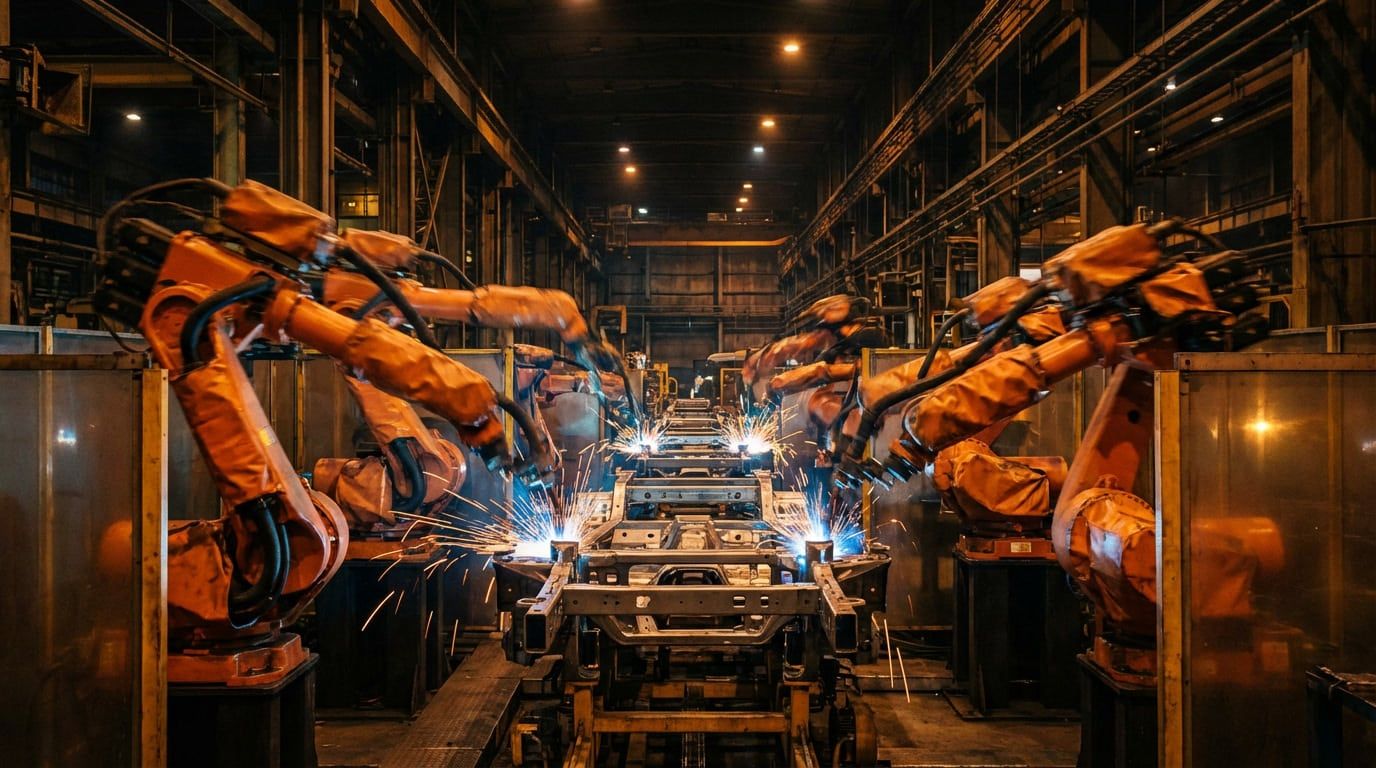
Small and mid-sized businesses are increasingly looking beyond domestic borders to improve efficiency, reduce operational pressure, and remain competitive in a fast-changing global market. Expanding production strategies across nearby regions has become an important consideration for companies that want to scale without taking on overwhelming infrastructure costs. Mexico has emerged as a practical manufacturing destination due to its geographic proximity to major consumer markets, established industrial zones, and cross-border trade frameworks that simplify the movement of goods.
For many growing companies, this shift is not just about lowering expenses but also about gaining flexibility in production planning and improving responsiveness to demand changes. As supply chains continue to evolve, businesses of modest size are finding new opportunities to grow through cross-border manufacturing partnerships that were once accessible mainly to large corporations.
Key expansion advantages for SMEs
1. Lower Operating Pressures Through Cross-Border Production
One of the most significant advantages small and mid-sized businesses experience when expanding production into Mexico is the reduction of overall operating pressure within their home facilities. Domestic factories often face rising costs related to labor, utilities, compliance, and space limitations, which can restrict growth potential. By shifting part of the production process across the border, companies can balance workloads more efficiently while maintaining consistent output levels. This arrangement allows businesses to allocate internal resources more strategically, focusing on product development, marketing, and customer engagement rather than being overwhelmed by manufacturing constraints. Additionally, production facilities in Mexico are often located within industrial clusters that already support logistics, staffing, and supply chain coordination, making it easier for smaller firms to integrate into established systems without having to build infrastructure from the ground up.
For growing businesses, this type of arrangement also improves financial predictability. When production is distributed across multiple locations, companies can better manage seasonal demand fluctuations and avoid costly disruptions caused by capacity overload. In many cases, firms discover that they can expand product lines more confidently because they are no longer restricted by the limitations of a single manufacturing site. The flexibility gained through this approach becomes a foundation for steady scaling and long-term stability.
2. Cost Efficiency and Market Accessibility Advantages
Cost efficiency remains a central motivation for businesses considering cross-border manufacturing, particularly for those operating with tighter budgets and limited capital reserves. Labor markets in Mexico offer a different cost structure compared to many domestic manufacturing environments, allowing companies to produce goods at more manageable operational expenses. This does not simply translate into lower spending but also creates room for reinvestment into innovation, product quality improvements, and expanded distribution channels. Many companies also find that transportation routes between Mexico and major North American markets are well developed, which reduces shipping complexity and shortens delivery timelines.
A significant advantage for many growing firms is how this structure enhances responsiveness to customer demand. When production is closer to key markets, businesses can adjust output levels more quickly without enduring long delays associated with overseas shipping. Manufacturing in Mexico offers U.S. companies a strategic combination of skilled labor, proximity, and trade advantages that’s increasingly hard to replicate elsewhere. This gives small and mid-sized businesses a strategic balance between cost control and market access, allowing them to remain competitive even when competing against larger corporations with more extensive resources. This combination of affordability and accessibility supports stronger positioning in both regional and international markets, especially for businesses aiming to scale gradually without overextending their financial commitments.
3. Supply Chain Stability and Reduced Risk Exposure
Supply chain stability is a critical concern for businesses of all sizes, but small and mid-sized companies are often more vulnerable to disruptions due to limited backup systems and fewer alternative suppliers. Expanding manufacturing operations into Mexico helps reduce this vulnerability by diversifying production locations and creating redundancy within the supply chain. When one location experiences delays or interruptions, another facility can often maintain production continuity, preventing major setbacks in order fulfillment and customer satisfaction.
This geographic diversification also helps reduce dependence on long-distance international shipping routes, which can be affected by port congestion, geopolitical issues, or sudden regulatory changes. By situating part of the production closer to end markets, businesses can maintain more control over timing and distribution. Additionally, many industrial regions in Mexico are integrated with established logistics networks, including highways, rail connections, and border processing infrastructure that streamline movement of goods. For small and mid-sized businesses, this level of resilience is particularly valuable because it minimizes exposure to unpredictable external factors while supporting consistent operational performance.
4. Workforce Flexibility and Scalable Production Capacity
Another important advantage for expanding businesses lies in the flexibility of workforce management and production scaling. Small and mid-sized companies often face challenges when trying to adjust staffing levels in response to fluctuating demand. Hiring and maintaining large domestic teams can become costly and inefficient during slower periods, while understaffing can limit growth during peak demand cycles. Manufacturing expansion into Mexico allows companies to tap into a broader labor pool that can be scaled more effectively based on production needs.
This adaptability is particularly useful for businesses introducing new product lines or testing market demand. Instead of committing to large-scale domestic production investments, companies can gradually increase output as demand grows. This reduces financial risk and allows for more controlled expansion. It also enables firms to experiment with product variations without overburdening their core operations. Over time, this approach supports a more dynamic production model that aligns closely with market behavior and business growth patterns, giving smaller companies the ability to compete in industries that were previously difficult to enter at scale.
5. Improved Lead Times and Customer Satisfaction Growth
Speed of delivery has become an essential factor in customer satisfaction, particularly in competitive markets where consumers expect rapid fulfillment. By positioning production closer to key distribution routes, small and mid-sized businesses can significantly improve lead times. This improvement is not limited to transportation alone but also extends to production scheduling, inventory replenishment, and order processing efficiency. When manufacturing operations are strategically placed in Mexico, businesses can shorten the time between production and delivery, resulting in more reliable service for customers.
Faster lead times also contribute to stronger customer relationships. When businesses consistently meet or exceed delivery expectations, they build trust and encourage repeat purchases. This reliability becomes especially important for smaller companies trying to establish a strong market presence against larger competitors. In addition, improved delivery speed allows businesses to respond more quickly to changing consumer preferences, reducing the risk of excess inventory or missed sales opportunities. Over time, this operational responsiveness becomes a key differentiator that supports long-term brand growth and customer retention.
Expanding manufacturing operations into Mexico presents small and mid-sized businesses with a practical pathway toward stronger growth, improved efficiency, and greater market adaptability. By distributing production across borders, companies can reduce operational strain, improve cost management, and build more resilient supply chains. These advantages also support faster delivery times, more flexible workforce management, and improved responsiveness to customer demand. As competition continues to intensify across industries, businesses that adopt cross-border production strategies position themselves to scale more sustainably while maintaining control over quality and performance. This approach creates a balanced foundation for long-term expansion without requiring excessive infrastructure investment or operational risk.
