

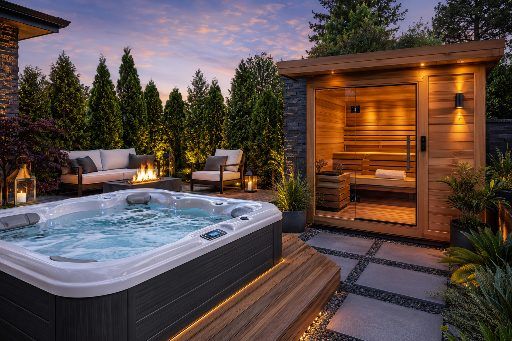
A hot tub is one of those purchases that reads as a luxury from the outside but functions as a meaningful quality-of-life improvement once you have one. For homeowners who have made the investment, the consistent report is that it gets used more than expected, the health benefits prove real, and the daily value is difficult to quantify in a way that fully captures the difference it makes.
UK homeowners have shown increasing interest in making outdoor spaces functional and genuinely enjoyable year round rather than only during the warmest months. A hot tub is one of the most effective ways to accomplish that. Understanding what is actually available, what the installation involves, and what separates a worthwhile product from a disappointing one makes the decision considerably clearer.
What the Research Shows About Hot Water Immersion
The wellness benefits of regular hot tub use are documented and measurable, not the product of marketing claims. Immersion in water at soaking temperature between 37 and 40 degrees Celsius triggers a physiological response that includes increased heart rate, blood vessel dilation, and improved circulation throughout the body. Muscle tension in the back, shoulders, neck, and legs releases because heat penetrates soft tissue more effectively than surface-level warming.
The autonomic nervous system responds to warm water by shifting from alert to recovery mode, which explains why regular soakers consistently report better sleep on evenings when they use the tub before bed. The rise in core body temperature followed by the gradual cool-down after exiting the water mimics the body’s natural sleep-induction mechanism, making hydrotherapy one of the most effective natural aids for poor sleep.
Stress reduction follows a similar pattern. Measured cortisol levels have been found to decrease following warm water immersion sessions, and the enforced separation from screens, tasks, and indoor noise that a garden soak provides compounds this effect over time. For people managing chronic high stress, the regularity of the session matters as much as the session itself.
For those dealing with musculoskeletal conditions including arthritis, chronic lower back pain, or exercise-related soreness, hydrotherapy in a quality hot tub provides accessible, repeatable, and drug-free relief. The combination of buoyancy reducing joint load and heat promoting circulation makes this one of the more versatile wellness tools available at a domestic level.
Understanding the Market
The hot tub market divides broadly into three categories. Each has a distinct profile of cost, capability, and longevity.
Inflatable hot tubs are the entry point. Their purchase price is low, they require no installation, and they can be moved or stored when not in use. Their limitations are real: heating is slow, temperature maintenance in cold weather is inefficient, and the jet systems available are limited to simple air bubbles rather than directional hydrotherapy jets. For testing the lifestyle before committing, they are reasonable. As a long-term investment in genuine wellness, they fall well short.
Acrylic shell hot tubs are the mainstream market for domestic buyers and represent the widest range of quality and specification. A quality acrylic model offers a durable, easy-to-clean surface, a well-designed hydrotherapy jet system with multiple targeted positions, effective insulation for year-round use in UK conditions, digital temperature controls, LED mood lighting, and filtration systems capable of maintaining water quality with a manageable routine. The range within this category is considerable, from entry-level acrylic at around two thousand pounds to high-specification models at ten thousand or more.
Rotomolded or polyethylene shell models sit between inflatable and acrylic: more durable and better insulated than inflatable, simpler in specification than mid-to-high-end acrylic. They appeal to buyers who want a step up from inflatable without committing to the full acrylic investment.
Hot tubs from UK specialists designed for domestic installation are available across all three categories and are built with UK electrical requirements and typical garden conditions in mind, which matters for setup, warranty, and ongoing support.
What Installation Requires
The base is the first consideration. A hot tub filled with water and in use represents significant weight. A reinforced concrete pad is the most reliable foundation. Decking arrangements can work but only if they are specifically designed and rated to bear the load, which needs to be confirmed with an engineer before installation rather than assumed. The weight of a filled six-person hot tub including occupants can exceed two tonnes.
The electrical connection is a fixed requirement for acrylic and rotomolded models. Most domestic hot tubs require a 32-amp supply with an RCD-protected circuit. This installation must be carried out by a qualified electrician. The cost is manageable relative to the overall purchase and provides the safety protection and warranty compliance the product requires.
Planning permission is not required for a domestic hot tub installation in the UK in most situations, as it is classified as temporary garden equipment. A roofed enclosure or a significant permanent decking platform may attract different considerations, so the local planning authority is worth consulting if either forms part of the plan.
The installation itself, for most acrylic models, involves delivery on a pallet, manoeuvring into position, filling with a garden hose, and connection by an electrician. Chemical start-up kits are typically included, and the initial water balancing process takes a couple of hours. Most buyers are using their tub within the same day or within twenty-four hours of installation.
Running Costs in Practice
Running costs are consistently assumed to be higher than they are in practice. A quality acrylic hot tub with good insulation and a well-fitting thermal cover in regular use typically costs between thirty and sixty pounds per month in electricity. Premium models with superior foam insulation and efficient heating systems track toward the lower end of this range. The dominant variables are ambient temperature, how often the cover is left off, and the specific insulation quality of the model.
Water chemistry management adds a modest ongoing cost. Chlorine tablets or bromine, pH adjustment chemicals, and test strips are the essentials. Water changes every two to four months depending on use and water quality are the main maintenance rhythm, alongside monthly filter cleaning. The total annual chemistry cost for most households is between sixty and one hundred and fifty pounds.
Hot Tubs and Property Appeal
A permanent or semi-permanent hot tub installation in a well-considered outdoor space consistently attracts buyer interest during property viewings. Estate agents note that functional outdoor features with existing infrastructure, specifically a concrete base and outdoor electrical supply already in place, have a different appeal from the same space without them. They represent a decision already made rather than a project that needs to be undertaken.
This is distinct from the situation with inflatable models, which rarely add perceived value and often represent additional work for a seller at the point of sale. A quality installation with a well-maintained tub in a thoughtfully landscaped outdoor space is a genuine feature, not merely a bonus.
Choosing Well
Energy efficiency is the most important single factor for long-term satisfaction. Ask about insulation type, foam density, and cover quality. Brands that provide tested and verified running cost estimates give you a more reliable comparison than those that present only headline prices.
The jet system quality matters more than jet quantity. The layout, adjustability, and types of jets determine what the hydrotherapy experience actually delivers. Shoulder jets, lumbar jets, foot jets, and directional neck jets serve different purposes, and the layout should correspond to how you intend to use the tub.
Warranty terms for the shell and components are worth examining carefully. A meaningful shell warranty from a reputable manufacturer is one of the clearer signals of product confidence.
Frequently Asked Questions
How much does a quality hot tub cost in the UK?
Entry-level rotomolded models start at around one thousand two hundred pounds. Mid-range acrylic models for four to six people typically cost between three thousand and seven thousand pounds. High-specification premium models reach ten thousand or more. Installation and electrical connection are additional.
How long does a hot tub last?
A quality acrylic hot tub lasts fifteen to twenty years with proper maintenance. Shell warranties typically cover five years or longer. Jets, pumps, and control systems carry shorter warranties that vary by manufacturer.
Can a hot tub be used year round in the UK?
Yes. Quality acrylic models are insulated and specified for year-round use in UK conditions. Winter use is popular because the contrast between cold air and hot water is particularly enjoyable. Running costs are slightly higher in cold months due to increased ambient heat loss.
Is a hot tub safe for children?
Yes, with appropriate adult supervision. Children should use lower water temperatures, around 36 degrees Celsius maximum, and shorter session durations. Children should not use a hot tub without an adult present.
Does a hot tub require planning permission?
In most residential situations, no. Exceptions may apply in conservation areas or for permanent structures accompanying the tub. Checking with the local planning authority is advisable if any doubt exists.
