

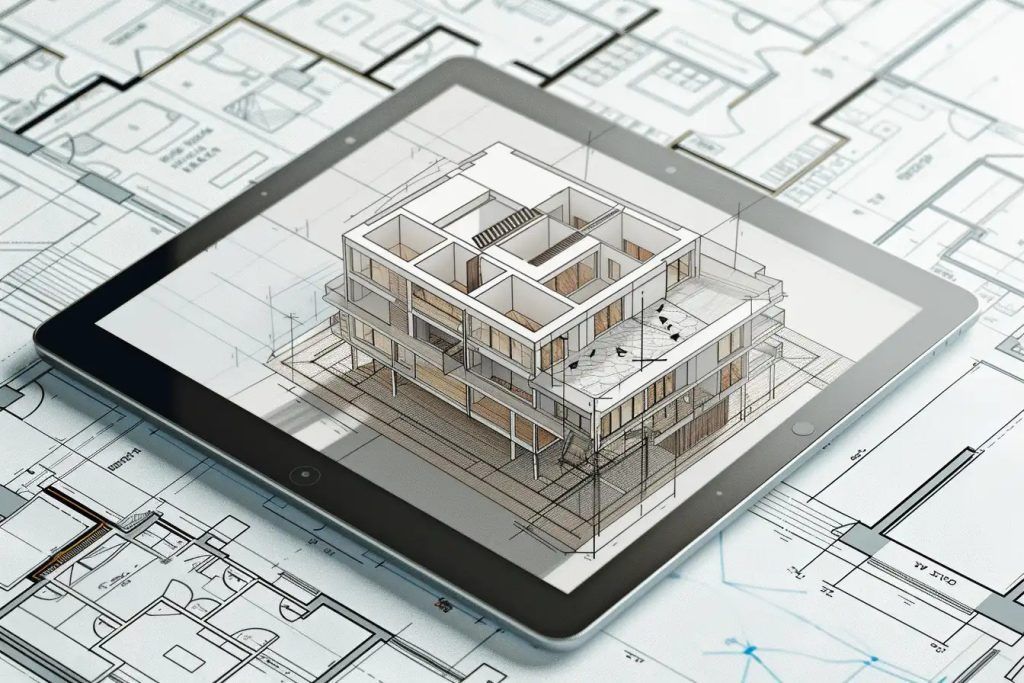
Home design has always started with one essential step: the blueprint. Before walls are built or rooms are decorated, there is a plan—a structure that decides how space will be used. Traditionally, creating that blueprint required technical skills, architectural knowledge, and precise manual drafting.
Now, with the rise of home design AI and AI blueprint generators, that process is becoming faster, more accessible, and more flexible. Instead of waiting for complex drawings or expensive planning sessions, users can now generate structured home layouts in minutes.
The Shift from Manual Planning to AI Blueprints
A blueprint is more than just a drawing. It defines how people will move through a home, how rooms connect, and how space is distributed. In the past, even small changes required redrawing entire plans.

An AI blueprint generator can instantly create structured layouts based on simple inputs such as:
- Number of rooms
- Approximate space size
- Desired style or purpose
- Functional requirements
From this information, the system produces a complete layout that can be adjusted and refined without starting over.
How AI Understands Floor Planning
Unlike traditional software that relies on manual input, AI systems interpret design logic.
They consider:
- Flow of movement between rooms
- Space efficiency and balance
- Placement of essential areas like kitchen, bathroom, and living space
- Structural logic such as symmetry and accessibility
This allows the generated blueprint to feel practical rather than random. The AI doesn’t just place rooms it organizes them in a way that reflects real-world living patterns.
Generating a Home Layout in Seconds
One of the most noticeable advantages of AI blueprint tools is speed.
- Enter basic home requirements
- Select layout preferences
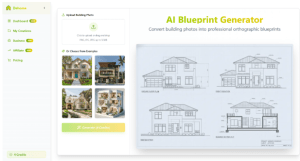
- Generate multiple blueprint variations instantly
Each version offers a slightly different arrangement, giving users the freedom to explore options before committing to one direction.
Flexibility in Design Decisions
Traditional blueprint creation is often rigid. Once a structure is drawn, changing it can be time-consuming.
AI introduces flexibility.
You can adjust:
- Room sizes
- Wall positions
- Entry points
- Open or closed layouts
These changes are reflected immediately, allowing continuous refinement without restarting the entire process.
Making Space Work Smarter
A well-designed home is not just about fitting rooms into a structure—it’s about using space intelligently.
AI blueprint generators often optimize layouts by:
- Reducing wasted space
- Improving natural movement flow
- Balancing private and shared areas
- Ensuring functional placement of utilities
This results in designs that feel more practical for everyday living.
From Concept to Visual Structure
One of the most useful aspects of home design AI is its ability to bridge imagination and structure.
Many people can picture their ideal home but struggle to translate that idea into a technical plan. AI solves this by turning abstract ideas into structured blueprints that can actually be built or further developed.
It acts as a translation layer between creativity and construction.
Exploring Different Architectural Possibilities
AI blueprint tools also allow users to experiment with architectural styles without risk.
For example, you can instantly compare:
- Open-plan vs. segmented layouts
- Compact urban homes vs. spacious designs
- Minimalist structures vs. complex floor plans
This experimentation helps users better understand what type of home suits their lifestyle before making real-world decisions.
Practical Use Beyond Professionals
One of the most important changes brought by AI blueprint generators is accessibility.
You no longer need to be an architect to explore home planning. These tools are now used by:
- Homeowners planning renovations
- Builders testing layout ideas
- Students learning design basics
- Individuals exploring future home concepts
This broad usability makes AI a practical tool rather than just a professional system.
Reducing Planning Errors Early
Mistakes in early planning can be expensive later. A poorly designed layout can lead to wasted space, inefficient movement, or structural limitations.
AI helps reduce these risks by:
- Highlighting impractical layouts
- Suggesting improvements automatically
- Offering alternative configurations
This early-stage guidance improves decision-making before construction begins.
Connecting Blueprint to Interior Thinking
Modern home design is no longer just about structure. It also considers how interiors will function within that structure.
AI connects both layers by ensuring that:
- Room sizes support furniture placement
- Natural lighting is considered in layout decisions
- Functional zones are properly distributed
This integration helps create homes that are not only structurally sound but also livable.
A More Interactive Planning Experience
Instead of treating blueprint creation as a fixed task, AI turns it into an interactive process.
Users can:
- Modify layouts in real time
- Compare different design versions
- Revisit earlier concepts easily
This makes planning feel more like exploration rather than engineering.
The Role of AI in Modern Construction Thinking
AI is gradually becoming part of the early planning stage in construction. While it does not replace architects or engineers, it supports them by speeding up concept development and offering alternative ideas.
This collaboration between human expertise and AI assistance leads to more efficient workflows and better-informed decisions.
Looking Ahead
As technology continues to improve, AI blueprint generators will become even more advanced. Future systems may include:
- 3D walkthroughs of generated layouts
- Real-time structural validation
- Integration with construction materials and costs
- Voice-based design input
These developments will make home planning even more intuitive and interactive.
Final Thoughts
Home design AI and AI blueprint generators are changing the foundation of how homes are planned. What once required technical drafting skills can now be explored through simple input and instant visualization.Instead of limiting ideas to technical barriers, AI opens up possibilities and allows users to experiment freely with structure and layout.
