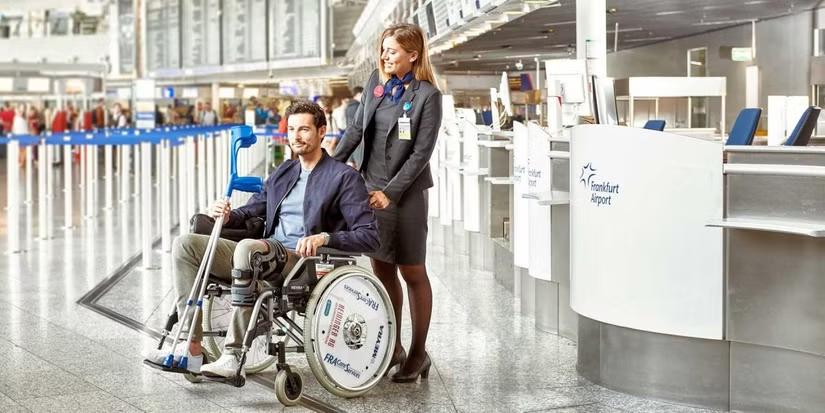
Air travel with crutches demands planning because fatigue, pain, and balance limitations can worsen in crowded terminals. A traveler may need help with baggage, longer walking distances, screening positions, or narrow aircraft aisles. Clear preparation protects joints, reduces fall risk, and keeps mobility equipment close at hand. With the right requests made early, each airport step becomes more predictable, from curb arrival to seated comfort onboard.
Start With the Airline Notice
Before booking, passengers should review assistance policies, walking distances, and rules for handling equipment. Guidance on flying while on crutches with MidAmerica St. Louis Airport helps travelers plan for parking, screening, gate assistance, and boarding in advance. Early notice gives staff time to arrange wheelchair service, aisle chairs, or the handling of checked mobility aids.
Choose the Right Luggage
Crutches can be scraped, bent, or misplaced during busy travel periods. Protective sleeves reduce surface wear and keep rubber tips clean. Folding models may fit inside padded sports bags. Identification tags should list a name, phone number, and destination address. A spare tip or strap can prevent painful instability.
Confirm Ground Access
Terminal access starts before the front door. Passengers should verify accessible parking, curbside drop-off, ride reservations, and public transportation options. Longer ramps or uneven pavement can strain wrists, shoulders, and recovering limbs. Hotels, rental desks, and destination venues should confirm step-free entry before arrival.
Pack Smart
Carry-on weight matters because crutches already load the arms and upper back. A small backpack keeps both hands available for balance. Medication, chargers, snacks, water, and documents should sit near the top. Essential items belong in cabin baggage, where they cannot be separated from the traveler.
Bring Medical Details
A short medical note can clarify mobility restrictions, surgical history, or brace use. Device details may help staff handle equipment correctly. Some passengers carry a disability notification card for private security communication. Records should remain within reach during check-in, screening, boarding, and arrival.
Ask at Check-In
Check-in is the best time to confirm wheelchair service, baggage help, and route support. Passengers should state their walking tolerance in concrete terms, such as the distance to the gate or the time spent standing. Clear language prevents last-minute confusion. Any special handling form should be completed before reaching the departure gate.
Plan for Security
Security screening may require crutches to pass through imaging or manual inspection. A traveler who cannot stand safely may ask to stay seated. Slip-on shoes and simple outerwear reduce awkward movement. Extra time helps prevent rushed weight shifts, shoulder strain, and avoidable pain.
Use Gate Support
Gate agents can explain boarding order, storage choices, and equipment return procedures. Some crutches fit in overhead bins, while larger aids may be gate checked. Passengers should ask whether items are returned to them planeside after landing. That detail can prevent a difficult walk up the jet bridge.
Board With Time to Spare
Preboarding gives passengers space to move without crowd pressure. An aisle chair may be needed if cabin walking is unsafe. Seat selection should support leg position, transfer ability, and bathroom access. Extra legroom can help, but availability depends on carrier rules and aircraft layout.
Prioritize In-Flight Comfort
During flight, swelling and stiffness can build up in injured tissues. Water, medication, and personal items should be within reach without twisting. Gentle ankle pumps or position changes may support blood return. Crutches and bags must stay clear of aisles, exits, and crew movement.
Handle Layovers Carefully
Connections deserve extra caution because gate changes can add long walks. Assistance should be requested before the first flight leaves. Longer layovers allow safer transfers, restroom breaks, and medication timing. If delays occur, airline staff can update support requests for the connecting airport.
Know Passenger Rights
The Air Carrier Access Act protects travelers with disabilities on covered flights. Airlines must provide required assistance without unfair treatment. If a problem arises, passengers may request a Complaint Resolution Official. This trained person can address access concerns during travel, while details are still fresh.
Conclusion
Flying with crutches is easier when medical needs, airport distances, and equipment handling are planned in advance. Early airline notice, light packing, accessible transport, patient screening, and careful boarding all reduce strain. Support teams can help when pain, fatigue, or gate changes alter the plan. A prepared traveler keeps more control, protects healing tissues, and moves through each stage with greater confidence.