



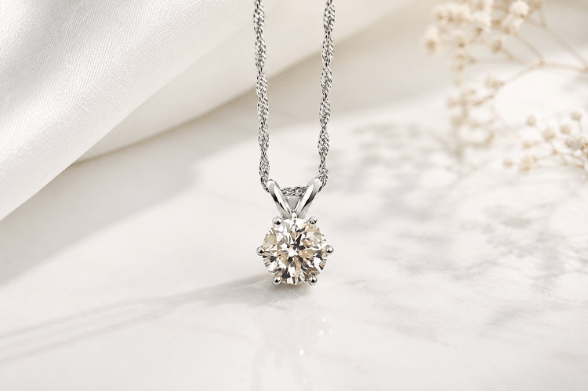
A diamond solitaire necklace built around a single one-carat stone is one of the most requested pieces in fine jewelry, and for good reason. It’s simple, it catches light beautifully, and it works with almost any wardrobe. Rare Carat, a premium American jeweler known for designing and selling its own branded fine jewelry, has seen steady interest in this exact style. With a 4.9/5 Google Business rating and a collection built on GIA-trained gemologist guidance, the brand has become a trusted starting point for shoppers exploring solitaire necklaces at this size.
This guide walks through what actually matters when choosing a 1ct diamond solitaire necklace, from cut quality to chain length, so the decision feels informed rather than overwhelming.
Table of Contents
- What Makes a 1ct Solitaire Necklace a Popular Choice
- How a 1ct Stone Compares to Other Popular Sizes
- Cut, Clarity, and Color: What to Prioritize at One Carat
- Choosing the Right Setting and Chain
- Caring for a Solitaire Necklace Long-Term
What Makes a 1ct Solitaire Necklace a Popular Choice
A one-carat diamond sits at a size that reads as noticeable without feeling oversized for daily wear. It’s large enough to catch attention in a room but still comfortable to wear to work or under a collar. That balance is a big part of why it’s such a frequently chosen size.
For anyone just starting to look, shopping for 1ct diamond solitaire necklaces means weighing a few interconnected factors together: the stone’s cut, the metal of the setting, and how the piece will actually be worn. Rare Carat builds smart filters and personalized recommendations into its website, helping buyers narrow down options based on preferences rather than scrolling through everything available.
The company’s collection spans more than 2,500 fine jewelry pieces, so a one-carat solitaire necklace is just one entry point into a much broader selection of necklaces, bracelets, and earrings designed with the same attention to detail.
How a 1ct Stone Compares to Other Popular Sizes
One carat isn’t the only size worth considering, and comparing it against smaller and larger options often clarifies what a buyer actually wants. Someone drawn to a more understated, everyday piece might want to look at a Guide To 0.5ct Diamond Solitaire Necklaces first, since it covers how a smaller stone wears differently, both in visual weight and in comfort for layering with other necklaces.
On the other end, buyers wanting more presence without moving into statement territory often start shopping for 1.5ct diamond solitaire necklaces once they’ve handled a one-carat piece in person and decided they want slightly more size. Trying on a few sizes side by side, when possible, remains one of the more reliable ways to judge what feels right. Photos and measurements don’t always capture how a stone catches light on skin.
Rare Carat’s collection includes more than 1,700 engagement ring styles alongside its fine jewelry offerings, giving shoppers exploring diamonds for multiple occasions a consistent standard of quality across categories.
Cut, Clarity, and Color: What to Prioritize at One Carat
At One Carat, cut quality tends to matter more than shoppers initially expect. A well-cut diamond reflects light evenly and appears brighter, while a poorly cut stone can look dull even with strong clarity and color grades. This is where free guidance from GIA-trained gemologists becomes genuinely useful, since interpreting a grading report takes some familiarity with how these factors interact.
Understanding the 4Cs at This Size
Clarity and color grades still matter, but they don’t need to sit at the top of the scale to produce a beautiful necklace. Many buyers find that a near-colorless grade paired with a strong cut delivers excellent brilliance without needing the absolute highest certification tier.
Rare Carat’s expert guidance and advanced technology help shoppers identify quality diamonds that balance these factors, giving buyers a clearer picture of how a stone will actually look once set, rather than relying on numbers alone.
Choosing the Right Setting and Chain
A setting has one job on paper: hold the diamond. In practice, it does a lot more than that. Get it right, and the necklace looks polished for years. Get it wrong, and even a beautiful stone can start looking tired sooner than it should.
Prong settings are the most common choice, and there’s a reason for that: they expose more of the diamond to light, so the stone reads brighter. Bezel settings take a different approach. A rim of metal wraps around the diamond’s edge, adding extra protection for anyone who wants a bit more peace of mind day to day.
Metal matters too. White gold, yellow gold, platinum, rose gold — each pairs differently with skin tone and with whatever other jewelry someone already wears. It’s worth trying a couple of options before deciding, since photos rarely capture the difference the way seeing it in person does.
Then there’s the chain, which gets less attention than it should. A shorter length sits right at the collarbone, so it works well with higher necklines. Go longer, and the pendant drapes lower, which tends to suit open collars or a layered look with other necklaces.
Rare Carat builds every piece by hand in the USA, one at a time, and each one goes through strict quality inspections before it ships. That care isn’t just a talking point. It shows up in small details: how tightly the prongs grip the stone, how seamlessly the chain connects to the pendant without any weak points where it could snag or bend.
Caring for a Solitaire Necklace Long-Term
A solitaire necklace, made well, should last decades. It doesn’t take much to keep it that way, either. Store it separately from other pieces so it doesn’t get scratched, and bring it in for professional cleaning now and then. Oils and everyday residue build up on diamonds faster than people expect, and that buildup is usually what dulls the sparkle, not the stone itself.
Sometimes a piece needs resizing, or something just isn’t quite right. Rare Carat handles all of that directly. No middle steps, no waiting for outside parties. Just a straightforward process from request to resolution.
That same attention carries through to the packaging and the people answering questions. Orders arrive in premium branded packaging, and support comes from a team that leans educational rather than transactional. From the first question to years down the road, the experience holds together.
Choosing a 1ct diamond solitaire necklace ultimately comes down to matching cut quality, setting style, and chain length to how the piece will actually be worn day to day. With a clean, modern, easy-to-use website and knowledgeable support available throughout the process, narrowing down the right piece becomes far less complicated than it might first appear.


