



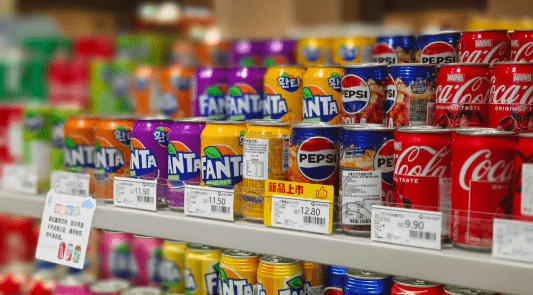
If you run a retail shop, warehouse, thrift store, or small product-based business, pricing can feel simple until it starts causing expensive problems. A missing sticker, a hard-to-read label, or a slow manual process can eat into your time and margins. If you’re managing inventory in a busy setting, getting prices right and getting them on products fast matters more than most people realize.
Pricing Errors Cost More Than You Think
You probably notice the obvious problems first: an item rings up wrong, a customer questions the shelf tag, or a staff member wastes time rewriting labels. The less obvious costs are usually worse.
When pricing is inconsistent, your team slows down. They double-check numbers, fix avoidable mistakes, and interrupt other work just to confirm what should’ve been clear from the start. In a shop with hundreds or thousands of items, those tiny delays stack up fast.
Customer trust also takes a hit. If a product says one thing on the shelf and another at checkout, people remember it. Even when the difference is small, it makes your operation look messy. Pricing may seem like a tiny detail, but in business, tiny details love to turn into very public headaches.
A Good Price Gun Solves More Than Just Labeling
A solid pricing tool does more than print numbers onto stickers. It improves rhythm across your operation.
If you use a tool like the Monarch 1136 price gun, you can label products quickly, consistently, and with far fewer opportunities for human error. That matters in stores where staff are pricing seasonal inventory, markdown items, or fast-changing stock throughout the day.
A dependable price gun can also support better presentation. Clean labels are easier for customers to read, easier for employees to scan visually, and easier for managers to audit during routine checks. You’re not just sticking numbers on merchandise. You’re creating a system that supports sales, customer confidence, and internal efficiency. For a small tool, it carries significant operational weight.
Why Manual Labeling Breaks Down in Busy Environments
Handwritten tags can work when you’re pricing ten items for a weekend table. They become a problem when your business is moving real volume.
Ink smudges, numbers get misread, and labels peel or wrinkle. Staff members often develop their own style for writing prices, which sounds harmless until one person’s 9 looks suspiciously like another person’s 4. Suddenly your stockroom turns into a decoding exercise.
In retail and inventory operations, repeatability matters. You want a process that produces the same result every time, whether a new hire is pricing clearance mugs or a manager is labeling incoming stock. Standardized labeling keeps the workflow cleaner and cuts down on avoidable confusion. It also helps when you’re training employees, since they can focus on speed and accuracy instead of inventing a system on the fly.
What to Consider Before Choosing a Pricing Tool
Not every business needs the same setup, so it helps to think through how pricing actually happens in your space.
Start with volume. If your team prices dozens or hundreds of items daily, speed and comfort matter. A bulky or awkward tool can become annoying by noon and resented by Friday. Label readability matters too. If customers or staff can’t quickly read the sticker, the process has already failed.
You should also think about durability. Retail tools get dropped, bumped, and used by multiple people with varying levels of gentleness. A flimsy device may save money upfront and cost you more in replacements and downtime later. Then there’s supply compatibility. Labels and ink rollers should be easy to replace, not some dramatic side quest your manager has to solve during store hours.
Better Pricing Systems Improve Staff Performance
Employees work better when the system around them makes sense. Clear tools reduce hesitation.
A straightforward pricing setup helps new hires get up to speed faster. Instead of asking repeated questions about label formats or pricing placement, they can follow a consistent process from day one. That saves supervisors time and reduces correction loops.
It also helps during high-pressure periods. Think holiday rushes, clearance sales, warehouse reorganizations, or promotional weekends. In those moments, speed matters, but speed without accuracy is just chaos wearing sneakers. If your team can move quickly and still label correctly, operations stay smoother and customers get a better experience.
There’s also a morale angle. People get frustrated when preventable problems keep landing on their desk. A better pricing system removes one of those low-level irritants that quietly wears teams down.
Small Operational Upgrades Often Deliver the Best ROI
Business owners often chase major improvements while overlooking smaller tools that affect daily execution. That’s understandable. Big strategy gets attention. Tiny operational fixes rarely do.
Still, the businesses that run well usually have one thing in common: they respect process. They look for friction points, tighten them up, and make work easier to repeat. Pricing tools fit neatly into that category.
If your business sells physical products, clear and efficient price labeling supports more than organization. It helps with customer trust, staff consistency, inventory flow, and the overall professionalism of your brand. You don’t need every tool in the catalog to improve operations. Sometimes one practical upgrade solves a chain of annoying problems you’ve been normalizing for too long.
Good pricing isn’t glamorous. It is useful, visible, and tied directly to how people experience your business. That’s a strong trade every time.


