



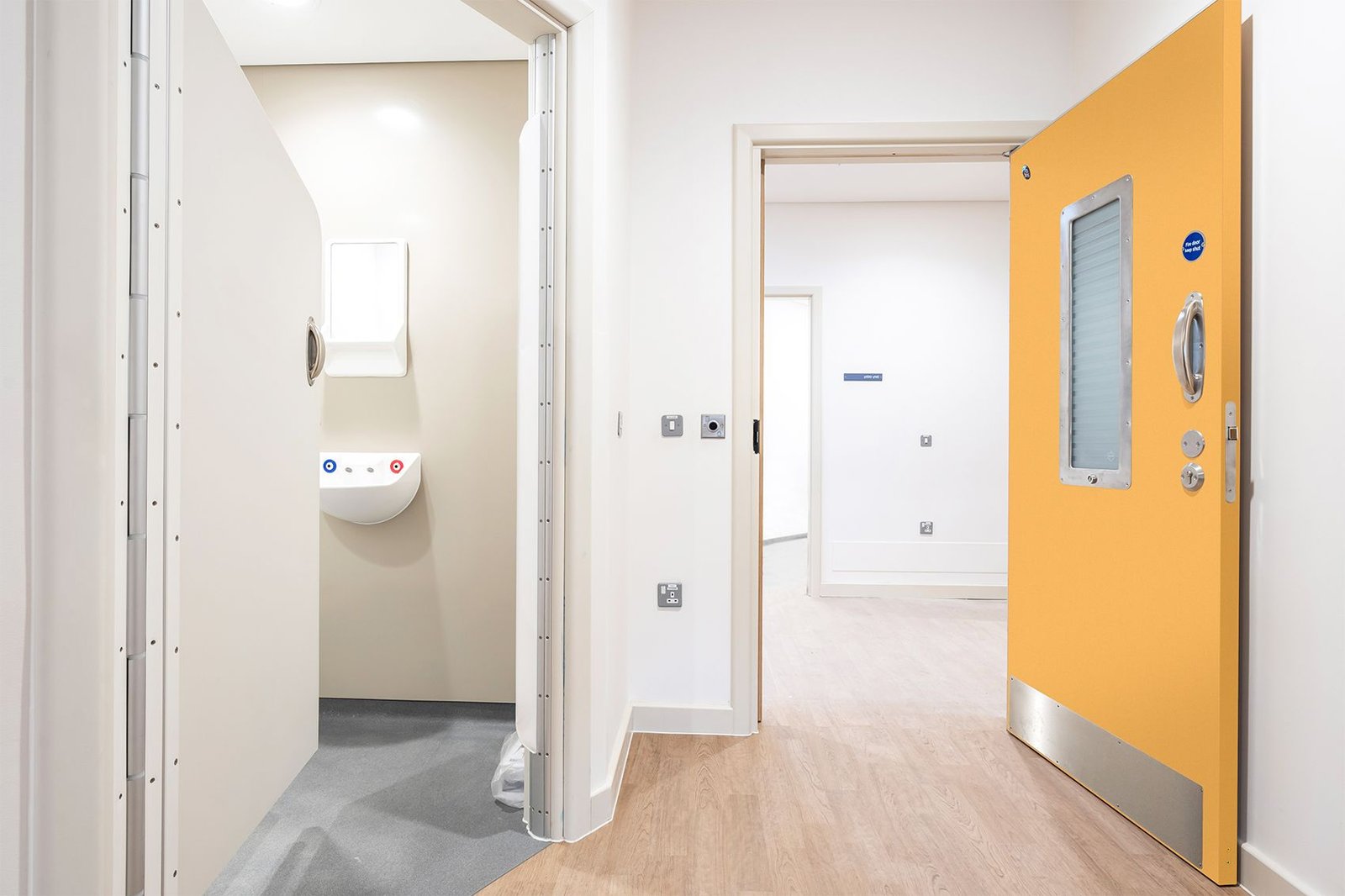
Care facilities must protect residents without making rooms feel harsh or restrictive. Hardware selection directly affects that balance. Poorly chosen or installed door fittings, cabinets, vents, panels, and fixtures can create attachment points. Anti-ligature hardware reduces those hazards through curved surfaces, concealed fixings, secure mounting, and limited access to gaps. Used correctly, these products support safer rooms, clearer observation, easier cleaning, and more consistent protection for patients, staff, visitors, and residents.
A Safer Baseline
Care teams need rooms that support treatment while limiting opportunities for self-harm. Ordinary fittings may expose gaps, edges, or projecting parts that create avoidable hazards. Anti-ligature products address those weaknesses across bedrooms, bathrooms, corridors, and treatment spaces. Facilities assessing suitable options can review premium anti-ligature solutions for protected storage, ventilation, medical gas access, controls, televisions, and utility equipment. These choices help preserve essential services without compromising everyday comfort or dignity.
Reducing Attachment Points
Anti-ligature hardware uses curved profiles, sloped tops, concealed fasteners, and secure joints. Each feature limits places where cords, clothing, or other materials might catch. Smooth surfaces also make visual checks easier for care personnel. Room safety depends on the entire environment, not one isolated fitting. Scheduled inspections can identify loose covers, damaged edges, or altered components before a minor defect becomes a serious concern.
Protecting Essential Equipment
Care environments contain equipment required throughout the day. Televisions, telephones, medical gas outlets, valves, heating units, and control panels may also present safety concerns. Protective enclosures keep these services available while restricting access to vulnerable parts. Proper covers can prevent tampering, shield equipment from impact, and simplify cleaning. Placement should let staff reach controls quickly while minimizing exposed edges, openings, and removable pieces.
Supporting Staff Observation
Clear sightlines remain essential wherever personnel monitor patient well-being. Hardware should not obstruct views or create concealed spaces. Viewing panels can protect equipment while allowing a quick status check. Accessible inspection points also reduce the time required during routine rounds. Better visibility gives staff more opportunity to notice distress, confusion, agitation, or changes in behavior before an incident develops.
Improving Room Hygiene
Care facilities require surfaces that withstand frequent cleaning and disinfection. Poorly joined fittings can collect dust, moisture, and microorganisms around seams. Anti-ligature hardware often features smooth metal surfaces and tightly secured joints, making wiping easier. Fewer exposed gaps can reduce cleaning effort and promote consistent sanitation. Approved cleaning instructions remain important because harsh chemicals or abrasive tools may damage finishes and shorten service life.
Strengthening Durability
Frequent use places considerable pressure on fixtures inside residential and clinical buildings. Doors may receive repeated impact, storage units can face rough handling, and equipment covers may require constant access. Strong metal construction helps fittings retain their shape through daily wear. Secure installation also limits movement, rattling, and stress around mounting points. Durable hardware can reduce replacement work, service interruptions, and avoidable maintenance expenditure.
Matching the Room Function
Each care setting carries different safety requirements. Bedrooms may need protected storage, secure door hardware, and restricted access to utilities. Bathrooms require fittings that resist tampering and moisture. Corridors may need guarded communication devices, while clinical rooms often contain protected medical outlets and controls. Selecting hardware according to room purpose provides more complete coverage. A room-by-room assessment helps decision-makers address risks without adding unnecessary equipment.
Supporting Inclusive Care
Safety measures should protect people without making spaces appear severe or institutional. Well-finished metal fittings can suit contemporary interiors while meeting demanding operational requirements. Consistent colors, clean lines, and carefully positioned enclosures help maintain a calmer atmosphere. That setting may reduce anxiety for residents, patients, families, and employees. Thoughtful hardware selection therefore supports personal dignity alongside practical risk control.
Planning Installation and Maintenance
Effective projects require accurate measurements, suitable materials, and clear installation records. Facility managers should confirm dimensions, mounting conditions, staff access, and cleaning requirements before ordering products. Following installation, personnel need guidance on inspection points and reporting procedures. Maintenance teams can then monitor wear, adjust damaged components, and replace compromised items without delay. Reliable records help preserve protection long after the original work has finished.
Conclusion
Anti-ligature hardware gives care facilities a practical way to reduce avoidable hazards while preserving essential services and a respectful atmosphere. Protected equipment, smooth surfaces, concealed fasteners, and secure enclosures can improve safety across bedrooms, bathrooms, corridors, and clinical areas. The strongest results come from combining appropriate products with careful assessment, professional installation, regular inspection, and staff awareness. This approach supports safer care, cleaner rooms, better observation, and greater confidence for everyone using the facility.


