



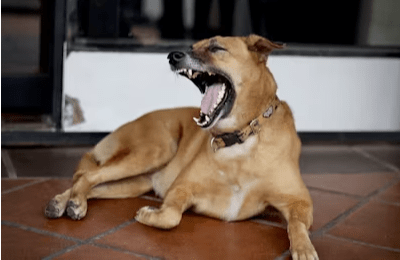
A dog bite can cause more than a painful wound. A victim may face medical treatment, scarring, emotional distress, missed work, and concerns about whether the animal could attack again. When a dog owner may have failed to control a dangerous animal, understanding the legal options can become an important part of recovering from the incident.
Alabama has specific laws addressing liability for injuries caused by dogs. The circumstances surrounding the attack, the dog’s location, the owner’s knowledge, the victim’s conduct, and the available evidence can all affect a potential claim. A careful investigation can help determine who may be responsible and which Alabama law applies.
Alabama Law Can Make Dog Bite Claims Fact-Specific
Alabama Code § 3-1-5 addresses liability for injuries caused by dogs and includes circumstances involving a dog that is not properly confined or controlled. The statute also contains provisions concerning a person’s right to recover when a dog attacks or injures them under specified circumstances.
This means the circumstances of the incident matter. Where the victim was located, how the dog was being handled, whether the owner knew about the animal’s behavior, and what happened immediately before the attack may all become relevant. A Dothan Dog Bite Lawyer can review these details and determine which legal theories may apply rather than assuming every dog-related injury follows the same rule.
Evidence Should Be Collected Soon After the Attack
Dog bite cases can depend heavily on evidence showing what happened and who was responsible for the animal. Photographs of the injury and location can help document the immediate circumstances. Medical records can establish the treatment required, while witness statements may provide information about the dog’s behavior and the owner’s actions.
Useful evidence may include:
- Photographs of the injury and accident location.
- Names and contact information of witnesses.
- Medical records and treatment bills.
- Animal control or police reports.
- Information identifying the dog’s owner.
- Photographs of the dog and surrounding property.
- Messages or communications with the owner.
- Records concerning previous incidents involving the animal.
The Dog Owner’s Conduct May Become Central to the Case
An investigation may examine how the dog was being kept or controlled when the attack occurred. A dog that was loose in an area where it should have been restrained can raise different questions from an incident involving a dog that was properly confined.
Evidence concerning prior behavior may also be relevant depending on the legal theory being pursued. Statements from neighbors, animal control records, previous complaints, photographs, or other documentation may help establish facts concerning the animal and its owner. The importance of this evidence depends on the circumstances and applicable Alabama law.
Where the Attack Happened Can Affect the Legal Analysis
The location of a dog attack can provide important context. An incident may occur on a sidewalk, inside a home, in a yard, at an apartment complex, in a park, or at another location. The victim’s reason for being there and the owner’s relationship to the property may become relevant when evaluating responsibility.
For example, an attack involving someone lawfully present on property can raise different issues from an incident involving someone who entered without permission. Alabama’s dog laws contain specific provisions addressing circumstances involving trespassers and people who are lawfully on the property.
Medical Treatment Creates an Important Record
A dog bite should be taken seriously from a medical standpoint. Even an injury that initially appears limited may require professional evaluation, particularly when the skin has been broken or the wound is located on the face, hand, or another sensitive area. Medical professionals can assess the injury and determine appropriate treatment.
Medical documentation can also become important in a legal claim. Records can show when treatment began, what care was provided, whether follow-up treatment was necessary, and how the injury affected the victim. Keeping copies of medical records, bills, prescriptions, and appointment information can make the later legal review more complete.
Injuries Can Affect More Than Physical Health
A dog attack may create consequences that continue after the initial wound has healed. Some victims may experience visible scarring or require additional medical treatment. An injury to the hand, arm, leg, or another body area may also interfere with ordinary activities or work responsibilities.
The emotional impact can matter as well. A person who has been attacked may become fearful around dogs or feel distressed when returning to the location where the incident occurred. The legal significance of these effects depends on the facts and applicable Alabama law, but they should not simply be ignored when documenting the consequences of an injury.
How Attorneys Investigate a Dog Bite Claim
An attorney may begin by establishing a timeline of the incident. This can include determining when and where the attack occurred, who owned or controlled the dog, what the victim was doing immediately before the incident, and whether anyone witnessed what happened.
The investigation may then expand to medical records, animal control information, photographs, witness statements, property records, communications with the owner, and other evidence. If another party may have contributed to the incident, the attorney can examine that possibility as well. The goal is to build the case around verifiable facts.
Two Important Steps After a Dog Attack
The period immediately after an attack can be important for both medical care and evidence preservation. Victims should prioritize appropriate medical attention and then document the incident as accurately as possible while the details remain fresh.
- Report the incident to the appropriate local authority when required or appropriate.
- Obtain medical evaluation and follow treatment instructions.
- Photograph injuries and the surrounding location.
- Record the owner’s name and contact information.
- Collect witness information.
- Preserve relevant messages or communications.
- Keep medical bills and treatment records.
- Write down what happened while the memory is fresh.
Victims should avoid making assumptions about legal responsibility before the circumstances have been reviewed. A seemingly minor detail about the location, the dog’s restraint, or the owner’s conduct may become important when determining how Alabama law applies.
Alabama’s Rules Make Legal Timing Important
A personal injury claim generally has a statute of limitations, and Alabama law contains specific time limits that can apply to different types of claims. The applicable deadline can depend on the legal basis of the case and the parties involved. Waiting until substantial time has passed can also make evidence harder to obtain.
A Dothan Dog Bite Lawyer can review the accident date, potential defendants, applicable statute, and circumstances surrounding the injury to determine which deadline may control. This is especially important when the claim may involve a governmental entity, property owner, or another party with special legal requirements.
Insurance Companies May Become Involved
Dog bite claims can sometimes involve homeowners insurance or renters insurance depending on the circumstances and applicable policy. An insurer may investigate the incident, request documentation, evaluate medical records, and assess whether coverage applies.
An injured person should be careful when providing statements about an accident before understanding the legal and insurance implications. The facts should be reported truthfully, but speculative statements or guesses about responsibility are unnecessary. An attorney can help explain how communications with insurers may fit into the broader claim.
When Another Party May Be Responsible
The dog owner is not necessarily the only person who may need to be considered. Depending on the facts, another property owner, landlord, business, caretaker, or other party may have responsibilities relevant to the incident.
Determining responsibility requires examining the specific relationship between the people involved and the property. A legal investigation should identify who controlled the animal, who controlled the location, and what duties may have applied at the time of the attack.
Conclusion
A dog attack can leave a victim dealing with medical treatment, financial pressure, physical injuries, and emotional consequences. Alabama’s dog liability laws contain specific requirements, making the circumstances of the attack particularly important when evaluating a potential claim. A Dothan Dog Bite Lawyer can investigate the incident, preserve relevant evidence, identify potentially responsible parties, review available insurance coverage, and assess the legal options under Alabama law. Prompt attention can also help protect evidence and prevent important deadlines from being overlooked.


