

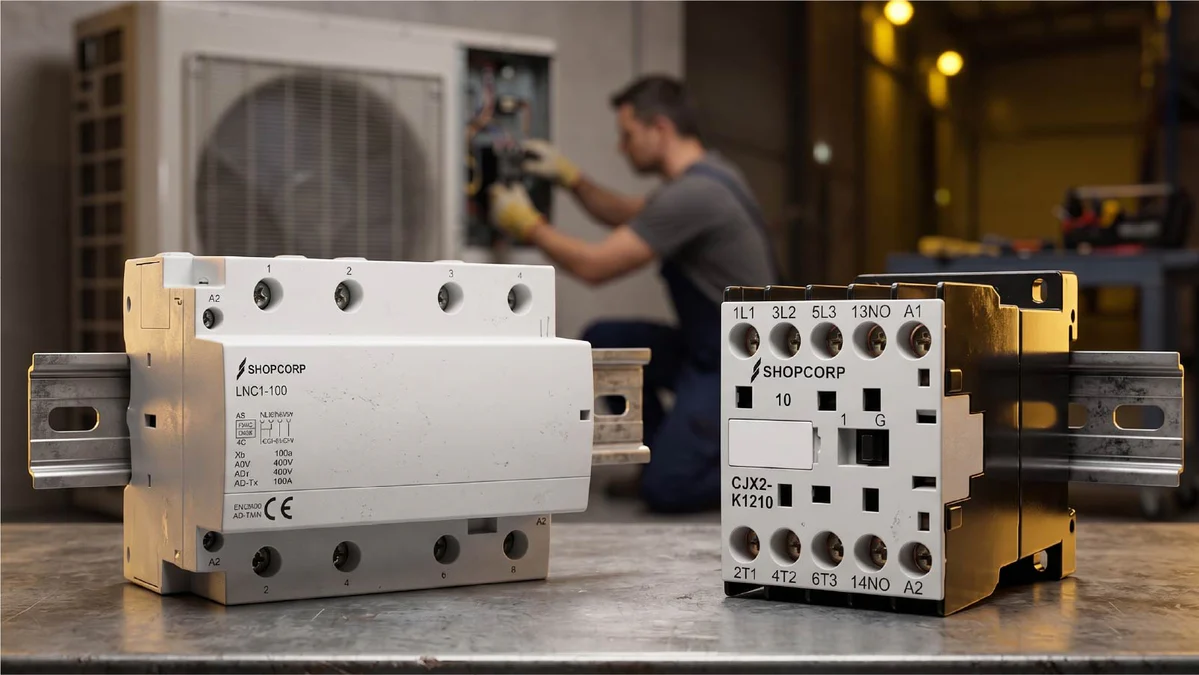
An air conditioner serves as a vital sanctuary against the heat during peak summer months. Within this complex machine, the contactor plays a silent yet pivotal role. This small electromechanical switch controls the flow of electricity to the compressor and the fan motor. When the thermostat signals for cool air, the contactor closes its circuit to power the system. Since this component handles high voltage and physical movement, it eventually experiences wear and tear over time.
A standard unit usually lasts between five and ten years, though environmental factors influence this duration. High temperatures or frequent cycles can accelerate the degradation of internal parts. Awareness of AC contactor failure symptoms helps homeowners address issues before a total system breakdown occurs. This article explores the typical lifespan of this part and the indicators that suggest a replacement is necessary for consistent comfort.
Factors That Influence Component Longevity
Several variables dictate how long a contactor remains functional. The frequency of system cycles is a primary factor. A unit that turns on and off constantly faces more mechanical stress than one that runs for longer, steady intervals. Dust, debris, and insects can also find their way into the outdoor cabinet, which creates obstructions or causes electrical shorts.
Pests like ants are often attracted to the electromagnetic field of a live contactor. Their presence can prevent the silver pads from making a clean connection. Furthermore, voltage fluctuations in the local power grid can strain the coil. A well-maintained system generally sees a longer life for all electrical parts. Routine inspections ensure that the connections stay tight and the surfaces remain free of excessive carbon buildup.
Visible Signs of Wear
Visual inspections often reveal the health of the electrical switch. Over hundreds of cycles, the metal plates, often called “points”, can develop pits or burn marks. This happens because a small electrical arc forms every time the switch closes. If these surfaces become too rough, the electrical current cannot flow efficiently.
- Pitted or blackened contact points.
- Melted plastic casing around the terminals.
- Loose wire connections due to heat expansion.
- Visible debris or insect nests inside the housing.
Auditory Clues of Impending Trouble
Sound is a great diagnostic tool for HVAC health. A healthy contactor makes a single, sharp “click” when it engages. If the unit produces a loud humming or buzzing sound, the internal coil might be struggling to hold the switch in place. This often indicates that the magnetic field is weak or the mechanical parts are stuck.
Chattering is another common sound to monitor. This occurs when the switch rapidly opens and closes, which can cause severe damage to the compressor. Such noises are clear AC contactor failure symptoms that demand immediate attention from a technician. Ignoring these sounds leads to higher energy bills because the system works harder to maintain the desired temperature. Consistent buzzing usually suggests that the component is near the end of its functional life.
Maintaining a cool home requires a proactive approach to electrical components. While the contactor is a relatively inexpensive part, its failure can lead to expensive repairs if it damages the compressor. Homeowners who monitor the performance of their outdoor unit often catch these small issues early. Professional tune-ups provide the best defense against unexpected failures, as technicians check for proper voltage and clean contact surfaces. Keeping your AC components in top shape guarantees a long life for the entire unit.
