

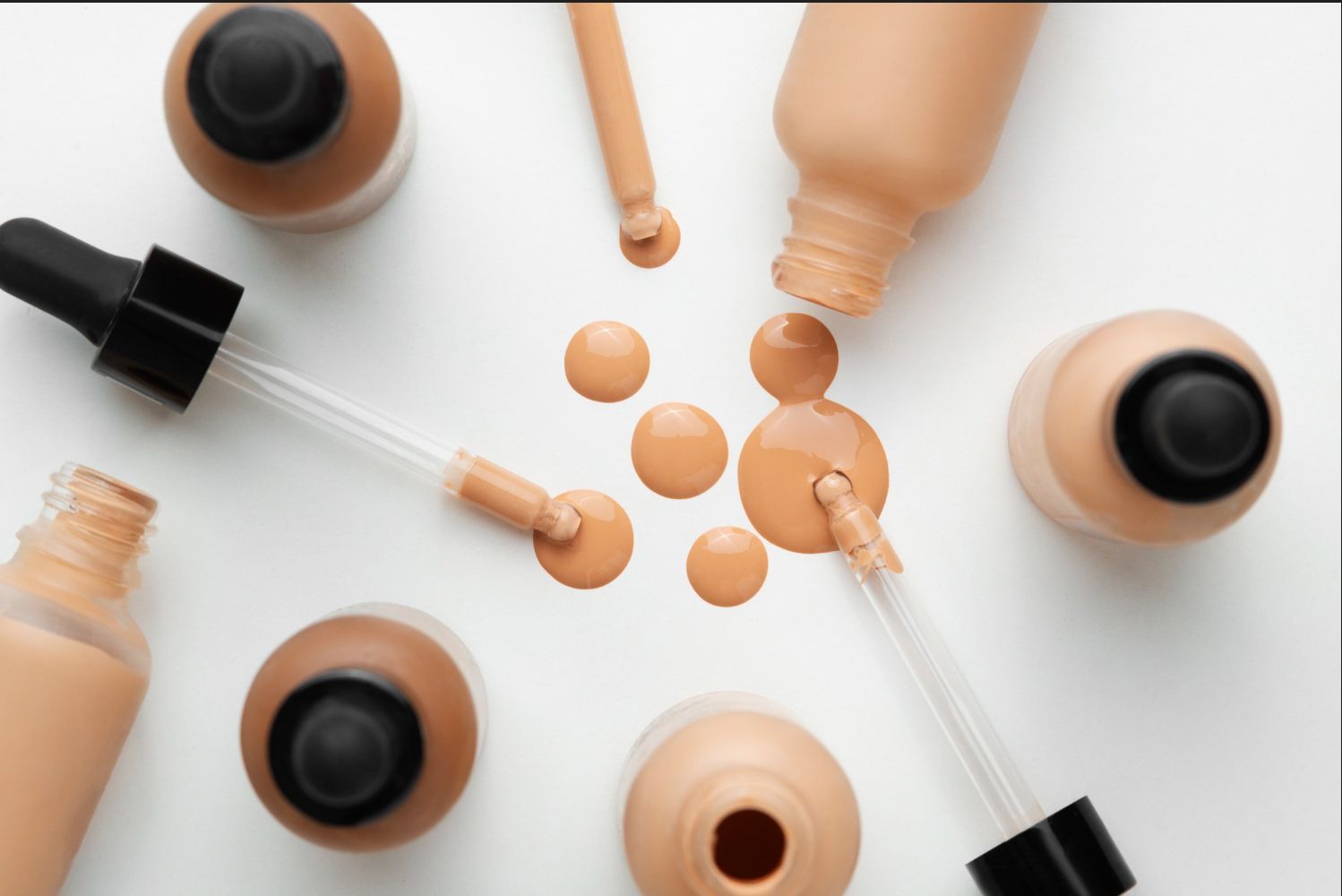
Lightweight makeup is great for spring or summer. For some people, it’s their preference all year. Achieving it means choosing the right product, though. For those who find traditional foundation too heavy, a skin tint is a popular alternative. There are several aspects of skin tint formulation that make it a good lightweight option.
Each formula is defined by three key characteristics: texture, coverage, and finish. Together, these elements determine how the product looks, feels, and performs on the skin. When looking for skin tint and complexion solutions, expertise is key. It should cover not just formulation but also evolving trends, consumer needs and the growing demand for hybrid products.
What Are Skin Tints?
Skin tints are a type of lightweight face makeup designed to provide a natural-looking finish. They aren’t as heavy as foundation, as they’re more breathable. While they are not intended to conceal significant blemishes or redness, they help even out skin tone and create a smoother-looking complexion. What makes these products different from foundations comes down to the skin tint formulation.
These formulas are popular for various reasons. Consumers often seek out a non-comedogenic skin tint because these formulations are designed to reduce the likelihood of clogged pores. Not all tints are the same, but the different types of products tend to provide similar experiences. Tints are often hybrid products with a serum-like texture and skincare benefits.
Texture
A lightweight skin tint is known for its fluid texture and breathable feel on the skin. Many of these products contain hydrating and emollient ingredients that help the formula glide on smoothly and provide lasting comfort throughout the day. That makes them moisturising with a texture that doesn’t cling to dry skin. When it comes to skin tint vs foundation, foundations generally have a heavier texture.
Coverage
Another key area for comparing skin tint vs foundation is coverage. Foundations typically provide medium to full coverage, whereas the coverage from a tint, as the name suggests, is usually sheer. Recent research shows that 53% of consumers surveyed prefer natural or no makeup look. This result aligns with the growing popularity of ‘your skin but better’ products. Skin tints can be buildable and keep the user’s skin peeking through, not hiding natural features like freckles.
Finish
A skin tint formulation’s strongest advantage is the finish it provides. Many skin tints offer a natural or dewy finish, often supported by hydrating and skin-comfort ingredients. That matches the growing trend for glowy skin, giving consumers a fresh-faced complexion. A natural-looking finish is a top priority in many areas of cosmetics. A skin tint enhances the complexion by evening out the skin tone in a subtle way.
Skin Tints and Hybrid Makeup
Skin tints are often part of the hybrid makeup category, combining complexion coverage with skincare-inspired ingredients. A non-comedogenic skin tint is formulated to help reduce the likelihood of clogged pores, while some formulas may also provide additional skincare benefits. Each lightweight skin tint can offer different features depending on its ingredients and formulation. For example, it could be combined with SPF for sun protection. Others contain vitamin C for brightening.
The flexibility of tints and the fact that they are multifunctional have made them an emerging trend. The projected size of the hybrid makeup market in 2030 is $29.43 billion, with foundations and tinted creams representing the largest share.
