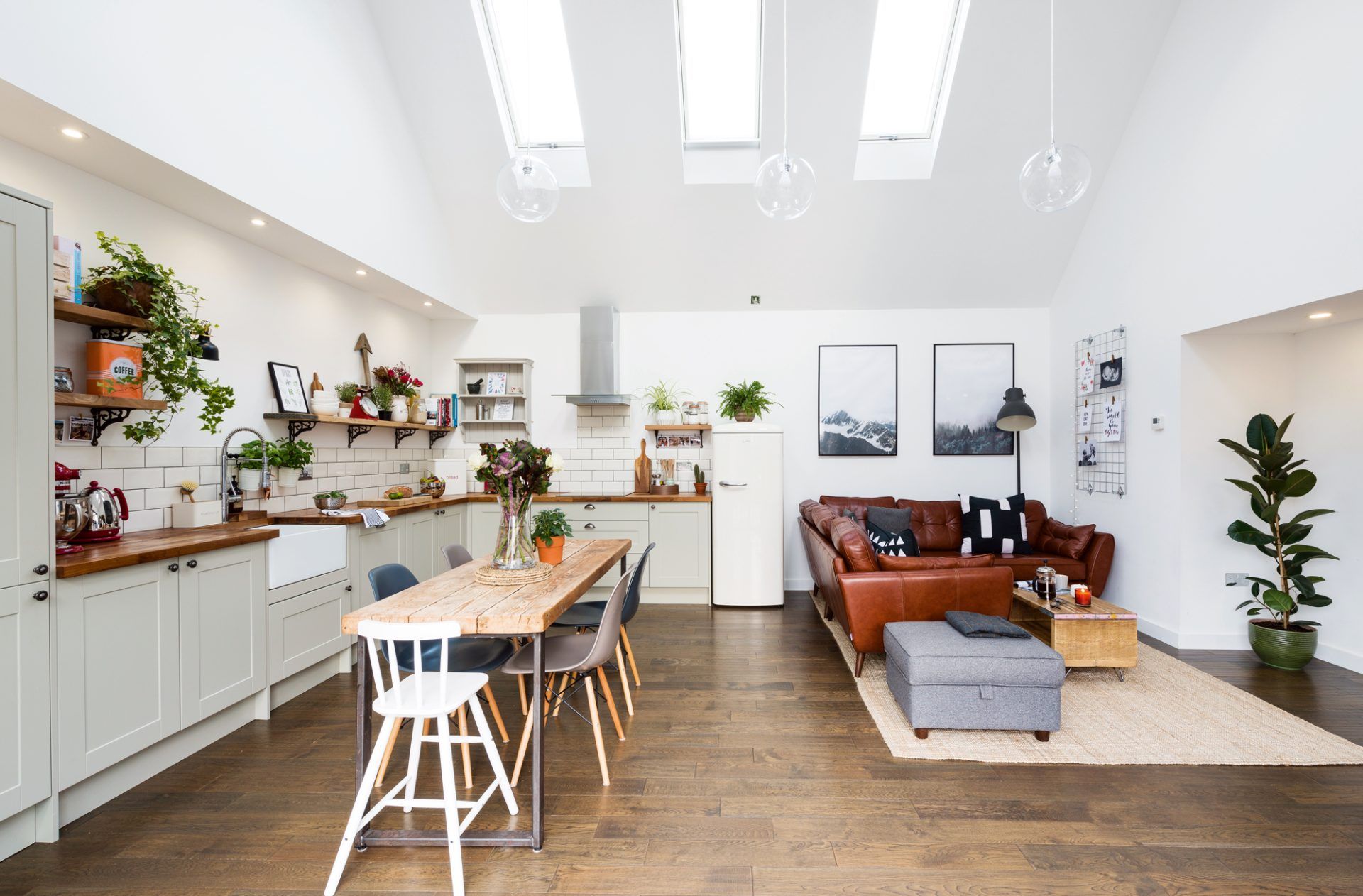
A good renovation rarely starts with a sledgehammer. It usually starts much earlier, with a vague feeling that a home could work better than it does now. Maybe the kitchen feels cut off from the rest of the house, the bathroom’s showing its age, or the living area never quite handles the way the family actually moves through it. Before colours, finishes and fixtures come into the picture, there’s a bigger question to answer: what kind of life does the renovation need to support?
That’s why choosing the right renovation team matters so much. A company like GIA Renovations isn’t just there to update surfaces or make a space look more current; the real value is in understanding how the home is used, where it’s falling short and how the finished result should feel once the work is done. A quality renovation should look polished, of course, but it should also make everyday routines easier in ways that still feel good years later.
Start With the Way You Actually Live
It’s easy to get distracted by inspiration images, especially when every second kitchen online seems to have flawless stone, hidden storage and perfect lighting. Those images can be helpful, but they shouldn’t become the whole brief. A beautiful kitchen that doesn’t suit the way you cook, entertain or store things will get frustrating quickly, no matter how impressive it looks on day one.
The best renovation plans begin with honest details. Where do bags get dropped when people walk in? Does the bathroom need to handle a rushed family morning, a quieter evening routine, or both? Is the home short on storage, natural light, privacy or flow? These questions may not feel as exciting as picking tiles, but they’re the ones that shape whether the renovation genuinely improves the home.
Quality Shows Up in the Unseen Details
A renovation’s finish is what people notice first, but the hidden work often matters more. Waterproofing, cabinetry construction, layout planning, ventilation, lighting placement and trade coordination all affect how the space performs after the excitement of completion has worn off. If those details are rushed or treated as afterthoughts, problems can appear later in ways that are far more annoying than a slightly imperfect paint colour.
That’s why it’s worth asking questions early. How will the project be staged? Who’s managing communication? What happens if unexpected issues appear behind walls or under floors? A strong renovation process won’t remove every surprise, especially in older homes, but it should make those surprises easier to deal with.
Don’t Renovate Only for Trends
Trends can be useful for fresh ideas, yet they shouldn’t dictate every decision. The strongest renovations usually balance current style with materials, layouts and finishes that suit the home itself. A space can feel modern without becoming so trend-heavy that it dates quickly.
The End Result Should Feel Effortless
When a renovation has been planned well, the finished space doesn’t scream about how much work went into it. It simply feels right. The rooms connect more naturally, storage appears where it’s needed, surfaces make sense for daily use, and the home becomes easier to live in without losing its personality. That kind of outcome takes more than a cosmetic refresh; it takes thoughtful planning, skilled execution and a clear understanding of what quality really means.