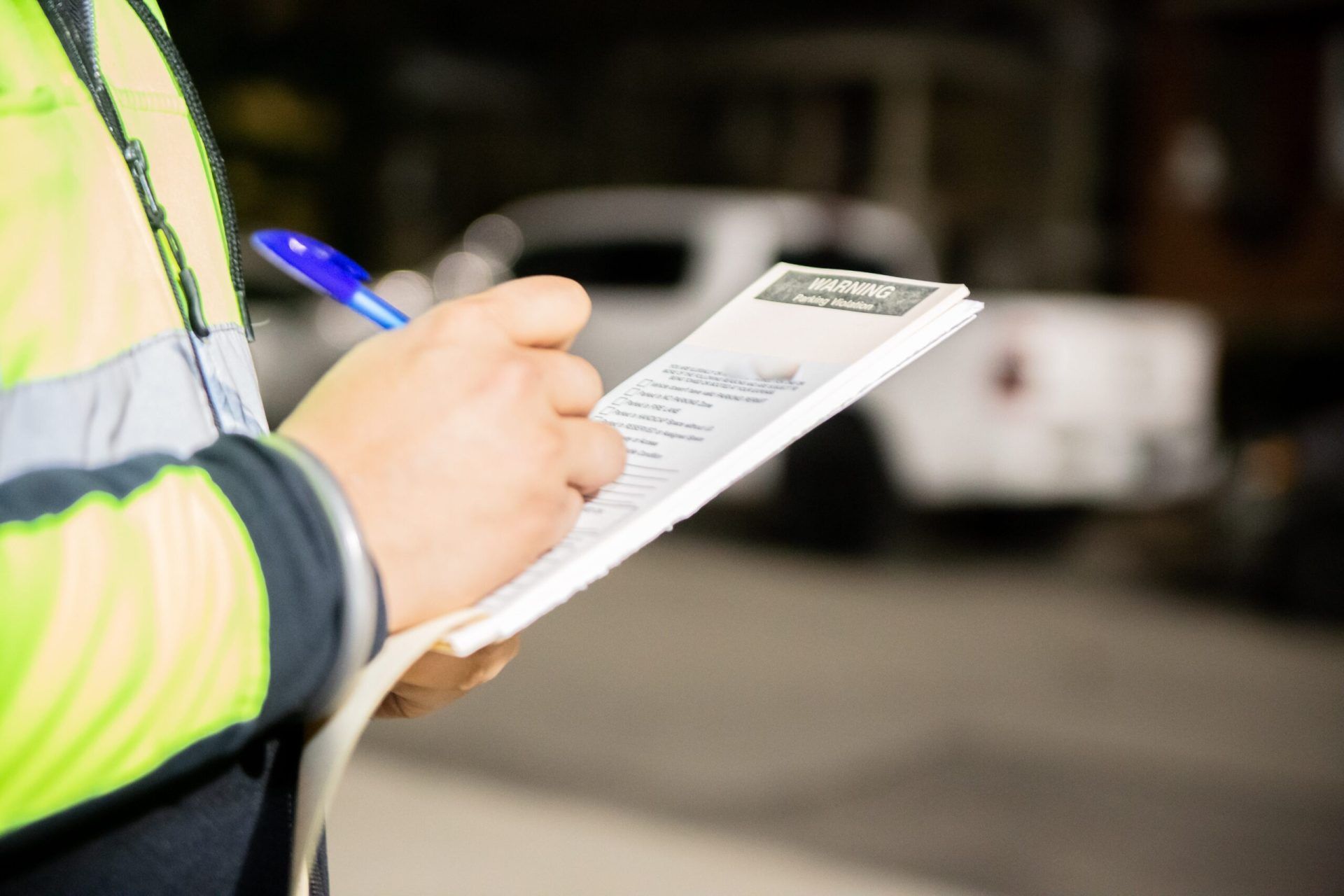
You got a ticket in Dallas. The fine sits on your dashboard, and the pay now button online looks like the fastest way to make it disappear. Before you tap it, get legal help for traffic violations in Dallas first, because that one click can follow you for years.
Here is the part nobody prints on the citation. In many Texas courts, paying a traffic ticket online is treated as a plea of guilty or no contest. Once the payment is processed, the court usually enters a conviction and closes the case. Reopening the matter afterward can be difficult and may not be available in every situation.
The common advice, just pay it and move on, is actually backwards. Paying immediately may save time in the short term, but it can sometimes lead to higher long-term costs through insurance increases, court records, or licensing consequences.
That single decision can raise your insurance bill, add points to your license, and in some jobs, put your paycheck at risk. Drivers who pause for thirty seconds and ask a few questions first often end up paying less, keeping a clean record, or getting the whole citation thrown out.
In many cases, paying a Dallas traffic ticket online has the same practical effect as entering a guilty or no-contest plea before the court. The case closes, and the conviction stays on your record.
Below are five moves that actually change the outcome of a ticket, not just the paperwork sitting on top of it.
1. Stop before you pay
The moment a citation lands in your hand, there is a clock running, but no rule says you must pay within the hour. Read the ticket first. Find the court printed on it, whether that is Dallas Municipal Court on Gano Street or a Justice of the Peace court out in the county. Write down the appearance date. That date is your real deadline, not the payment portal sitting on your phone.
2. Check if your case fits a low cost fix
Not every ticket needs a full courtroom fight. Smaller citations sometimes qualify for a deferred disposition that costs far less than a drawn out case and still keeps the conviction off your record. A basic speeding ticket with a clean history is a very different animal than a school zone charge or a ticket tied to a crash. Sort your citation into simple or complex before deciding what to do with it.
3. Learn what actually gets checked
Radar guns need regular calibration, and the logs proving that calibration do not always exist. Lidar readings can get thrown off by heavy traffic, bad weather, or a blocked line of sight. Dashcam footage does not always match the violation written on the ticket. A lawyer requests these records and checks them against your citation line by line. Most drivers never see this evidence because they never think to ask for it.
4. Deal with a warrant the same week you learn about it
Missing a court date does not make a ticket disappear. It usually adds a warrant on top of it, and that warrant sits quietly in a police database until a routine stop turns into something much worse. Fixing this does not require a dramatic arrest story. In many cases, an attorney can file paperwork that pulls your name out of the system without you ever sitting in a holding cell. Waiting only lets the fees and the risk grow.
5. Know the CDL rule before you touch that ticket
If you drive for a living, this step matters more than the other four combined. Texas law blocks commercial license holders from using defensive driving classes or deferred disposition to clear a citation, a restriction spelled out in the federal rules for commercial drivers. That means the standard playbook handed to regular drivers simply does not apply here. A suspended commercial license because of one unpaid ticket can cost far more than a single afternoon in court ever would.
When Paying the Ticket May Make Sense
While many moving violations deserve a closer look before you pay, not every citation needs to be challenged. In some situations, paying the ticket promptly may be the most practical option. For example:
- Parking violations that do not affect your driving record.
- Equipment or non-moving violations that can be resolved quickly.
- Cases where you have decided not to contest the citation after understanding the consequences.
- Situations where the court does not offer alternatives such as deferred disposition or a defensive driving course.
The important point is to understand your options before making a decision. Taking a few minutes to review the citation or speak with a legal professional can help you determine whether paying immediately is the right choice for your specific situation.
Why the slow move actually wins
Courts and insurance companies count on drivers taking the fast option. A quick payment means one less case on the docket for the court and one more data point the insurer can use to raise your premium at renewal. Pausing and asking a few pointed questions flips that math back in the driver’s favor.
None of this calls for a dramatic legal battle. Deferred disposition, a negotiated arrangement where the judge holds the conviction off your record for a set period, resolves a large share of first time tickets on its own. A full dismissal, where the state cannot make its case at all, resolves plenty of others. Either outcome beats a permanent mark that shows up the moment anyone pulls your Texas driving record.
Insurance companies do not raise your rate because a ticket exists somewhere in a filing cabinet. They raise it because a conviction shows up at renewal time. The Insurance Information Institute lays out exactly which factors shape your premium, and a clean driving record sits near the top of that list every time.
Out of state drivers face their own version of this problem. A ticket picked up while passing through North Texas can still trigger reciprocal penalties back home, so the pay and forget approach can cost a driver twice, once in Texas and once in their home state.
The bottom line
A traffic ticket looks small on the day you get it. What it turns into, a conviction, a point count, a premium hike, or a warrant, depends almost entirely on what happens in the days right after. Paying online feels like closing the book on the whole thing.
It actually opens a chapter most drivers never planned for, one that shows up quietly on a background check, a renewal notice, or a routine license review months down the road, long after the ticket itself has been forgotten.
Slow down, check your options, and treat the citation like the legal document it is instead of a bill to clear off your desk. That pause costs you nothing more than a phone call or a short form, yet it is the one decision that protects your license, your job, and your wallet for years after the fact.
The drivers who skip that step are not lazy, they are just working off bad advice that has been repeated so often it sounds true. It isn’t, and the citation sitting on your counter right now is proof of that.