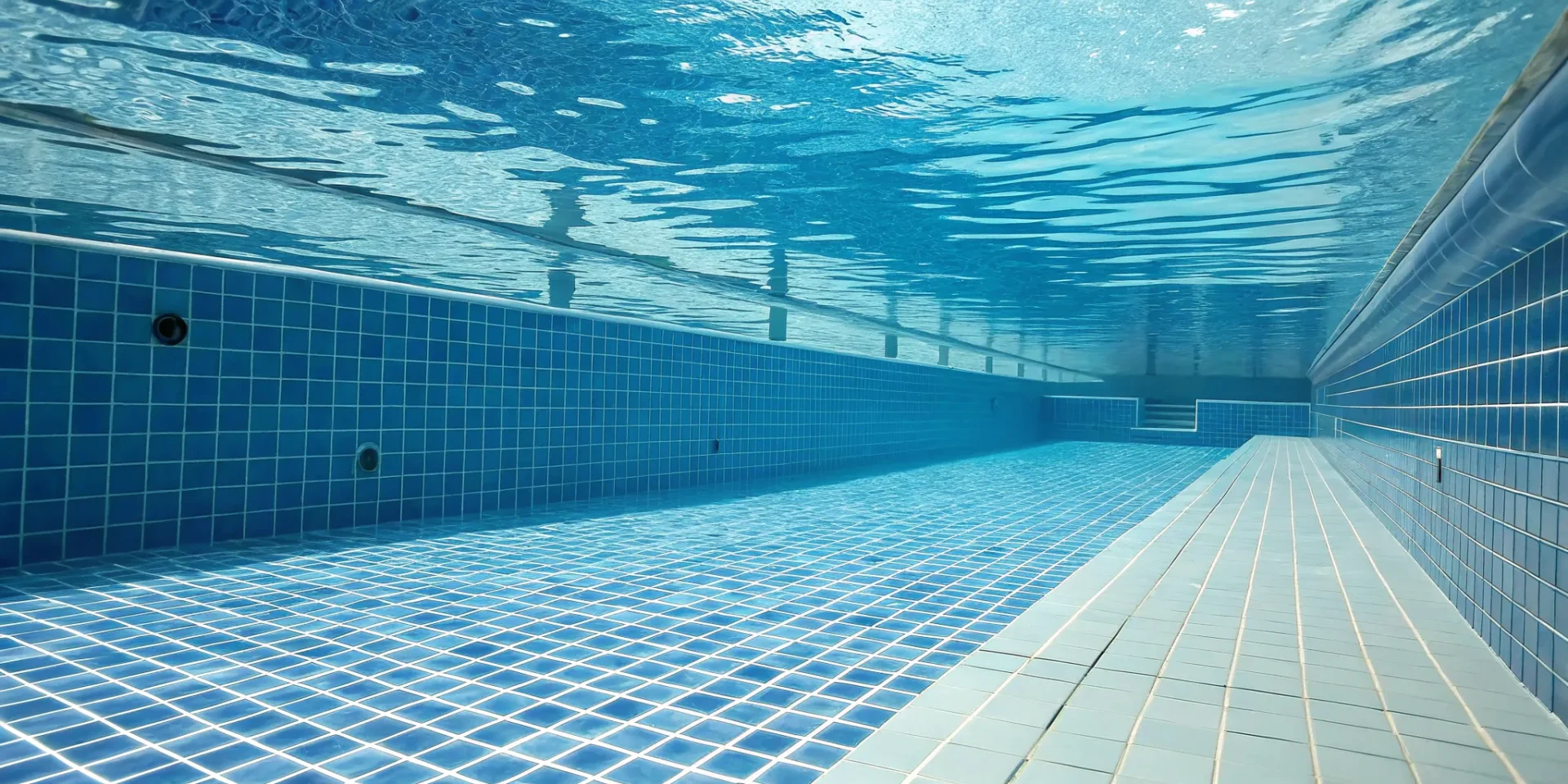
Indoor pools are a bit deceptive. Because they’re protected from leaves, storms and the usual outdoor grime, it’s easy to assume the tiled surfaces will stay in better condition with basic cleaning alone. For a while, they often do. The water looks clear, the room feels controlled, and everything seems fairly low-maintenance compared with an outdoor pool that cops the full force of the weather.
But indoor pool environments create their own kind of wear. Moisture hangs around for longer, ventilation can make a huge difference, and chemicals have nowhere to disappear as quickly as they might outside. Over time, tiles can lose their original finish, grout can darken, calcium can build up, and the whole pool area can start to look tired even if it’s being cleaned regularly.
That’s usually the point where standard cleaning products stop making much of a difference and indoor pool tile restoration becomes the more sensible conversation. Restoration isn’t just about making tiles look a little brighter for inspection day; it’s about dealing with the deeper residue, staining and surface issues that ordinary maintenance can’t properly shift.
Why Indoor Pools Wear Differently
Outdoor pools tend to show neglect in obvious ways. You’ll see debris, weather marks, faded surrounds and maybe algae if maintenance slips. Indoor pools can be more subtle. The space might still look tidy at first glance, but the tiles may gradually develop a dull film, the grout lines may look patchy, and mineral deposits can cling stubbornly around the waterline.
Because indoor pool rooms are humid, surfaces are constantly exposed to moisture even outside normal swimming hours. If ventilation isn’t doing enough, that moisture can sit around and contribute to staining, mould growth or persistent odours. Add pool chemicals into the mix, and you’ve got an environment that asks a lot from tile and grout surfaces.
Cleaning and Restoration Aren’t the Same Thing
Regular cleaning is important, of course, but it has limits. A maintenance clean is generally about keeping the pool presentable and hygienic week to week, while restoration is more focused on bringing a surface back from long-term wear. That might involve removing stubborn calcium, treating stained grout, improving the appearance of the waterline or addressing areas where the tiled finish has become rough, cloudy or uneven.
The difference is often easiest to see once restoration has been done. Instead of a pool that simply looks “clean enough”, the space feels sharper, fresher and better cared for. In premium homes, hotels, wellness spaces or private facilities, that visual difference can really matter because the pool area is part of the overall experience.
It Can Also Protect the Bigger Investment
Tiles are chosen for pools because they’re durable, but durable doesn’t mean invincible. When staining, buildup and grout deterioration are ignored for too long, small issues can become more expensive to deal with later. Restoration can help extend the life of the tiled surface and reduce the chance of needing more disruptive repair work down the track.
Knowing When It’s Time
If the pool still looks dull after a proper clean, if the waterline has visible scale, or if grout lines are dragging down the whole appearance of the space, it may be time to think beyond basic maintenance. Indoor pool tiles don’t need to look brand new forever, but they should still feel clean, inviting and worthy of the space around them.