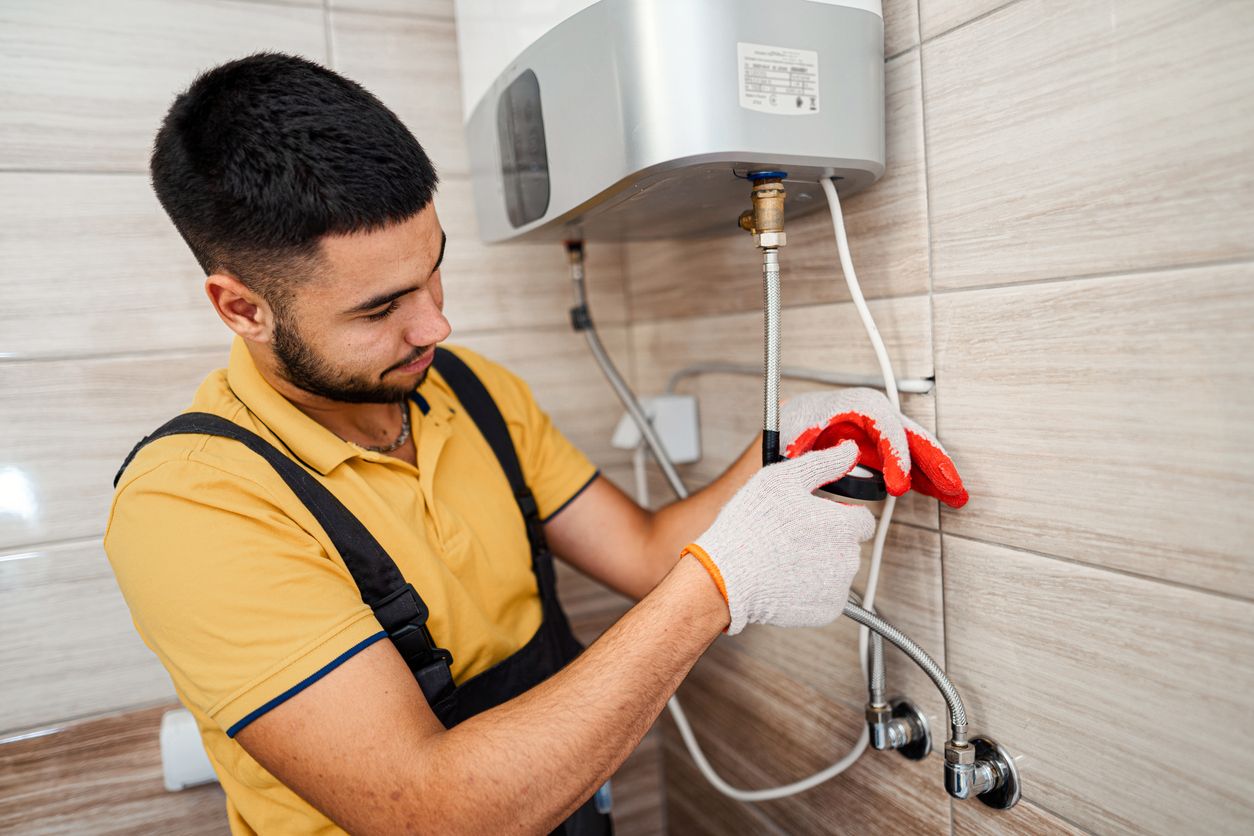
Water heaters occupy a specific category of home appliance — the kind that runs continuously in the background, gets taken for granted until it fails, and receives almost no proactive maintenance from most homeowners across its entire operational life. A furnace gets a filter change and an annual service visit. An HVAC system gets seasonal maintenance. A water heater gets turned on when it’s installed and not touched again until it stops producing hot water or starts leaking.
This neglect has predictable consequences. Sediment accumulates on the tank floor annually and compounds over time. The anode rod — the sacrificial component that protects the tank lining from corrosion — depletes without being replaced, leaving the tank vulnerable to the corrosion it was designed to prevent. Connections and fittings that develop minor issues go unaddressed until they become significant ones. The result is a unit that reaches the end of its functional lifespan earlier than it should and fails at a moment that’s never convenient.
The case for regular water heater maintenance isn’t complicated — it extends the unit’s useful life, maintains its operating efficiency, and catches developing problems before they become failures. But it requires treating a water heater as a maintained appliance rather than a set-and-forget one, which is a different relationship to a piece of infrastructure than most homeowners have developed.
Hot water service through The Hot Water Heater Pros covers both the reactive work — repair and replacement when problems have already developed — and the proactive maintenance that prevents many of those problems from developing on the timeline they otherwise would.
What Annual Water Heater Maintenance Actually Involves
Tank flushing is the most important regular maintenance task and the one most consistently skipped. Sediment that enters through the water supply settles on the tank floor and accumulates in a layer that grows thicker each year the unit operates without flushing. That layer insulates the water from the gas burner or electric element, forcing the unit to run longer cycles to reach temperature — which increases operating costs and accelerates wear on the heating components. Flushing removes this accumulation before it reaches the point where it affects performance and begins damaging the tank lining.
Anode rod inspection and replacement is the maintenance task with the greatest impact on tank longevity. The anode rod is a magnesium or aluminum rod that attracts the corrosive elements in the water supply through an electrochemical process, depleting itself instead of allowing the tank lining to corrode. A functioning anode rod can double the lifespan of a tank water heater. A depleted one leaves the tank unprotected — and corrosion that reaches the tank lining produces the rust-colored water and eventual tank failure that no maintenance can reverse once it’s progressed far enough.
Pressure relief valve testing confirms that the safety device designed to release pressure if the tank overheats is functional. Pressure relief valves that have never been tested can corrode in place and fail to operate when they’re needed — which creates a safety issue rather than just a performance one. Testing annually confirms the valve is functioning and identifies ones that need replacement before they’re called upon in an emergency.
What Deferred Maintenance Costs Compared to Regular Service
The financial case for regular water heater maintenance is straightforward when the numbers are compared honestly. An annual maintenance visit costs a fraction of an emergency replacement. A replaced anode rod costs significantly less than a tank replacement that the rod’s depletion accelerated. The energy cost savings from a unit that’s operating at its design efficiency rather than fighting sediment accumulation and depleted components adds up across the years between installations.
The Hot Water Heater Pros provides hot water service across their service area — maintenance, repair, and replacement — with honest assessments of what each unit needs rather than a default toward the more expensive option. For homeowners who want their water heater to last as long as it should and fail on their schedule rather than its own, regular service is where that outcome starts.