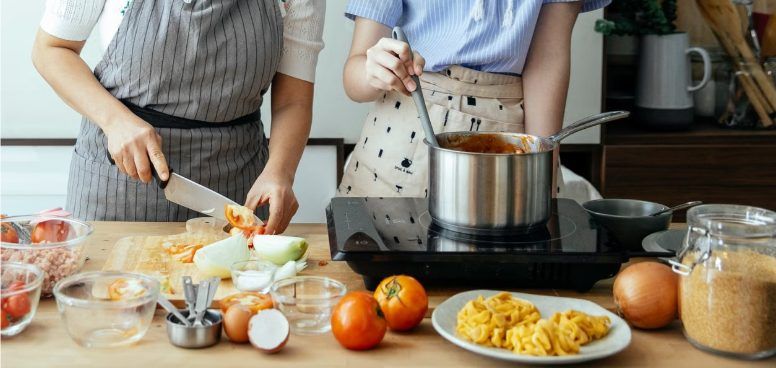
There’s something special about enjoying a meal at a great restaurant. The flavors seem richer, the presentation looks more appealing, and every bite feels carefully crafted. Many people assume that achieving those same results at home requires professional training or expensive equipment, but that isn’t necessarily true.
Today, home cooks have access to countless resources, quality ingredients, and kitchen tools that make it easier than ever to create impressive meals. In many cases, the difference between an average dish and a restaurant-quality one comes down to a few simple habits. Choosing the right ingredients, understanding basic cooking techniques, and paying attention to presentation can make a significant difference in the final result.
The good news is that you don’t need to spend hours in the kitchen or follow complicated recipes to improve your cooking. With a few practical strategies, you can elevate everyday meals and create dishes that look and taste like they came from your favorite restaurant.
Start with Simple Recipes That Deliver Big Flavor
One of the biggest mistakes home cooks make is assuming that restaurant-quality food has to be complicated. In reality, many chefs focus on maximizing flavor while keeping preparation straightforward. The key is selecting recipes that combine quality ingredients with proven cooking methods.
A great place to start is with dishes that use bold seasonings, aromatic ingredients, and cooking techniques that develop flavor naturally. Modern kitchen appliances can also make this process much easier. Pressure cookers, for example, help ingredients absorb flavors quickly while reducing cooking time.
If you’re looking for an approachable example, try an easy Instant Pot chickpea curry recipe by Dad Cooks Dinner. It demonstrates how ingredients like onions, garlic, ginger, tomatoes, and warm spices can come together to create rich, restaurant-style flavor with minimal effort, making it an excellent choice for anyone wanting to elevate their home cooking.
Recipes like this show that creating memorable meals isn’t always about using rare ingredients or advanced techniques. Instead, it’s about understanding how flavors work together and allowing simple ingredients to shine. Once you master a few dependable recipes, you’ll gain confidence and begin developing your own cooking style.
Another benefit of starting with simple recipes is consistency. Repeating successful dishes helps you understand timing, seasoning, and texture. Over time, you’ll naturally become more comfortable experimenting with different ingredients and techniques.
Invest in High-Quality Ingredients
Even the most talented chefs rely on quality ingredients. While cooking skills are important, the ingredients themselves play a major role in determining how a dish tastes.
Fresh vegetables tend to have better texture and flavor than older produce. Fresh herbs add brightness and aroma that dried alternatives often cannot match. Quality proteins, whether meat, seafood, or plant-based options, provide a stronger foundation for any meal.
This doesn’t mean you need to buy the most expensive products available. Instead, focus on freshness and quality whenever possible. Visit local farmers’ markets, shop seasonally, and choose ingredients that are at their peak.
Many restaurants build their reputation on sourcing excellent ingredients. Home cooks can adopt the same mindset by paying closer attention to what goes into each dish. Even simple meals can feel more refined when made with fresh, carefully selected ingredients.
It’s also worth investing in a few pantry staples. High-quality olive oil, fresh spices, sea salt, and flavorful vinegars can dramatically improve the taste of everyday recipes.
Learn Basic Professional Cooking Techniques
Restaurant chefs spend years mastering fundamental techniques, and these same skills can improve your cooking at home.
One important technique is proper sautéing. Cooking vegetables over medium-high heat helps develop flavor through browning while maintaining texture. Overcrowding the pan can cause ingredients to steam rather than caramelize, reducing flavor.
Roasting is another valuable skill. Whether you’re preparing vegetables, chicken, or seafood, roasting creates deeper flavors and appealing textures. The high heat encourages caramelization, which enhances both taste and appearance.
Learning how to season throughout the cooking process is equally important. Rather than adding all your salt at the end, seasoning in stages helps flavors develop more evenly.
Other useful techniques include deglazing pans to capture flavorful browned bits, resting meats before slicing, and tasting food regularly during cooking. These small habits can significantly improve your results.
Fortunately, you don’t need culinary school training to master these skills. Consistent practice and attention to detail can help you achieve noticeable improvements in a relatively short time.
Build Layers of Flavor Throughout the Cooking Process
One reason restaurant meals often taste more complex is that chefs build flavor in stages rather than relying on a single ingredient.
Many dishes begin with aromatics such as onions, garlic, celery, or ginger. These ingredients create a flavorful base that supports everything else in the recipe.
Spices can also benefit from being briefly cooked before liquids are added. This process helps release their natural oils and intensifies their flavor.
Another technique involves using broth or stock instead of water whenever appropriate. This simple substitution can add depth without requiring additional effort.
Acid is another important component. Ingredients like lemon juice, lime juice, and vinegar help balance richness and brighten flavors. Many home cooks overlook this step, but restaurants often use acidity to create more balanced dishes.
Fresh herbs added near the end of cooking can also provide a final layer of flavor and freshness. Combined together, these techniques create dishes that taste more developed and satisfying.
Pay Attention to Presentation and Plating
People eat with their eyes first. A beautifully presented meal often feels more enjoyable before the first bite is even taken.
Fortunately, attractive plating doesn’t require artistic talent. A few simple adjustments can dramatically improve the appearance of your meals.
Start by choosing appropriately sized plates. Overcrowded plates can look messy, while oversized plates may make portions appear small. Aim for balance and simplicity.
Adding height to a dish can create visual interest. Instead of spreading everything flat across the plate, try stacking or layering components when appropriate.
Color contrast also makes a difference. Bright vegetables, fresh herbs, and colorful garnishes can make a meal look more vibrant and appealing.
Keeping plate edges clean is another restaurant habit worth adopting. Wiping away drips and smudges before serving creates a polished appearance.
These small details require very little effort but can make your meals feel significantly more professional.
Creating restaurant-quality meals at home doesn’t require expensive ingredients, complicated recipes, or professional training. In most cases, success comes from focusing on the fundamentals: choosing quality ingredients, mastering basic techniques, building layers of flavor, and presenting food thoughtfully.
Starting with simple, flavorful recipes allows you to develop confidence while improving your skills. As you become more comfortable in the kitchen, you’ll find it easier to experiment and create meals that rival those served in restaurants.
The best part is that these improvements don’t happen overnight. Small adjustments made consistently can lead to remarkable results over time. By paying attention to detail and embracing a few professional habits, you can turn everyday cooking into an enjoyable and rewarding experience.