

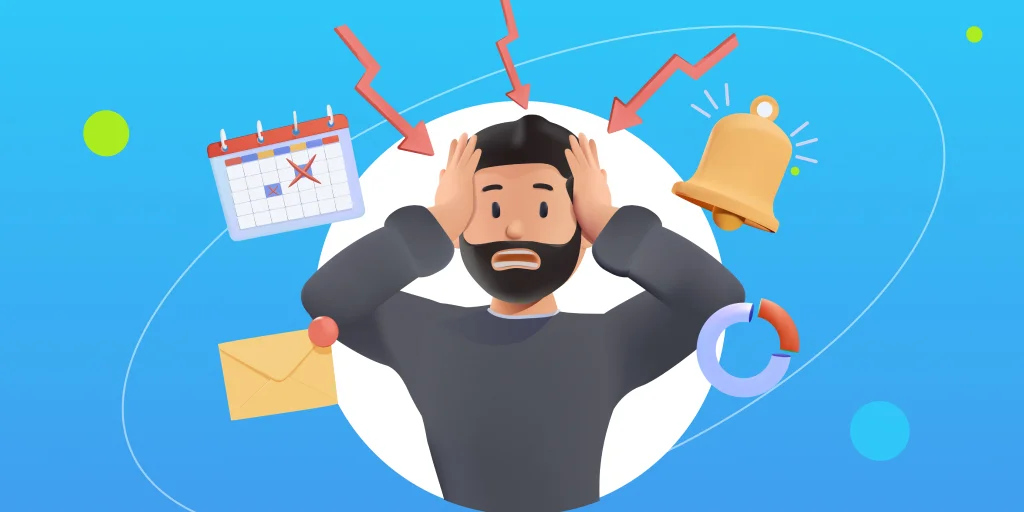
Losing customers does not always mean a business is failing.
In fact, sometimes really good businesses lose loyal customers for reasons that seem confusing at first.
The product is still solid. Staff are friendly. The company has a strong reputation. Yet somehow, long-time customers quietly disappear.
No complaint.
No angry email.
No dramatic goodbye.
They simply stop coming back.
This can feel frustrating for business owners because loyalty seems like something that should last. But customer behaviour is often more complicated than that. Many businesses eventually explore ideas around customer experience consultancy to better understand why customers leave even when the overall business seems healthy.
The truth is that people rarely leave because of one single issue. More often, loyalty fades slowly through small changes that businesses do not always notice.
Familiarity does not guarantee loyalty
Many businesses assume loyal customers will stick around because of history.
That makes sense in theory.
After all, if someone has been buying from the same company for years, why would they suddenly leave?
The answer is simple.
People’s expectations change.
A business that felt excellent five years ago may now feel average if competitors improve faster.
Convenience, communication and overall experience matter more than ever.
Think about industries people once stayed loyal to for decades:
- Banks
- Airlines
- Retail brands
- Restaurants
- Streaming platforms
Many customers now switch far more easily because alternatives are easier to find.
Loyalty matters, but convenience often wins.
Small frustrations quietly build over time
Most customers are surprisingly patient.
A delayed order is forgivable.
A poor interaction with staff happens.
A confusing website update is annoying but manageable.
The problem starts when small frustrations repeat.
Examples might include:
- Longer response times than before
- Service quality becoming inconsistent
- Harder-to-use websites or apps
- Rising prices without better value
- Feeling ignored when problems happen
One issue alone rarely causes someone to leave.
But together, they create doubt.
Customers start asking themselves:
“Is this still worth it?”
Once that question appears, loyalty becomes fragile.
Competitors make switching easier
Sometimes customers do not leave because they are unhappy.
They leave because something else feels easier.
Imagine your favourite café opens later than usual and another place nearby starts offering faster service and online ordering.
Or a business you have used for years suddenly makes cancellations difficult while another company feels effortless.
Small advantages matter.
Businesses are no longer competing only on product quality. They are competing on experience.
People often stay where life feels easiest.
Customers notice when businesses stop evolving
One challenge successful businesses face is comfort.
What worked before feels safe.
Processes become familiar.
Systems stay unchanged.
But customers continue changing.
The expectations people have today are very different from ten years ago.
People now expect:
Faster responses
Waiting days for help feels outdated.
Simpler experiences
Nobody wants complicated forms or confusing systems.
Better communication
Customers appreciate transparency and regular updates.
Personalisation
People notice when businesses feel thoughtful instead of generic.
Businesses that stop evolving often do not realise customers are becoming frustrated until loyalty starts slipping.
Emotional connection matters more than businesses think
Buying decisions are not purely logical.
People stay loyal because of trust, familiarity and positive feelings.
That emotional connection matters.
When customers feel valued, understood and respected, they tend to stay longer.
But emotional loyalty weakens when experiences become transactional.
For example:
- Staff interactions feel rushed
- Support feels scripted
- Businesses stop acknowledging loyal customers
- Problems feel harder to resolve
People remember how businesses make them feel.
That emotional experience often matters more than discounts or rewards programs.
What businesses can do to keep loyalty stronger
Good businesses can absolutely strengthen loyalty, but it usually starts with paying closer attention.
Helpful habits include:
Listen before problems grow
Customer frustrations often appear quietly before they become obvious.
Make things easier
Convenience builds loyalty faster than many businesses expect.
Stay consistent
People trust predictable, reliable experiences.
Keep improving
Even small upgrades help customers feel valued.
Ask better questions
Instead of asking, “Are customers happy?” ask:
“What feels harder for customers than it should?”
Sometimes the businesses people leave are not bad businesses at all.
They simply stopped noticing the small changes shaping customer expectations.
Loyalty is valuable, but it is never permanent. The businesses that keep customers longest are usually the ones that continue earning trust instead of assuming they already have it.
